

In recent years, there has been a significant advancement in the field of Artificial Intelligence (AI) and Augmented Reality (AR). These technologies have become increasingly popular and have the potential to enhance virtual experiences in various fields such as gaming, education, healthcare, and...
A Program Automatically Checks Construction Sites for Fire Safety Compliance
4
27.09.2026
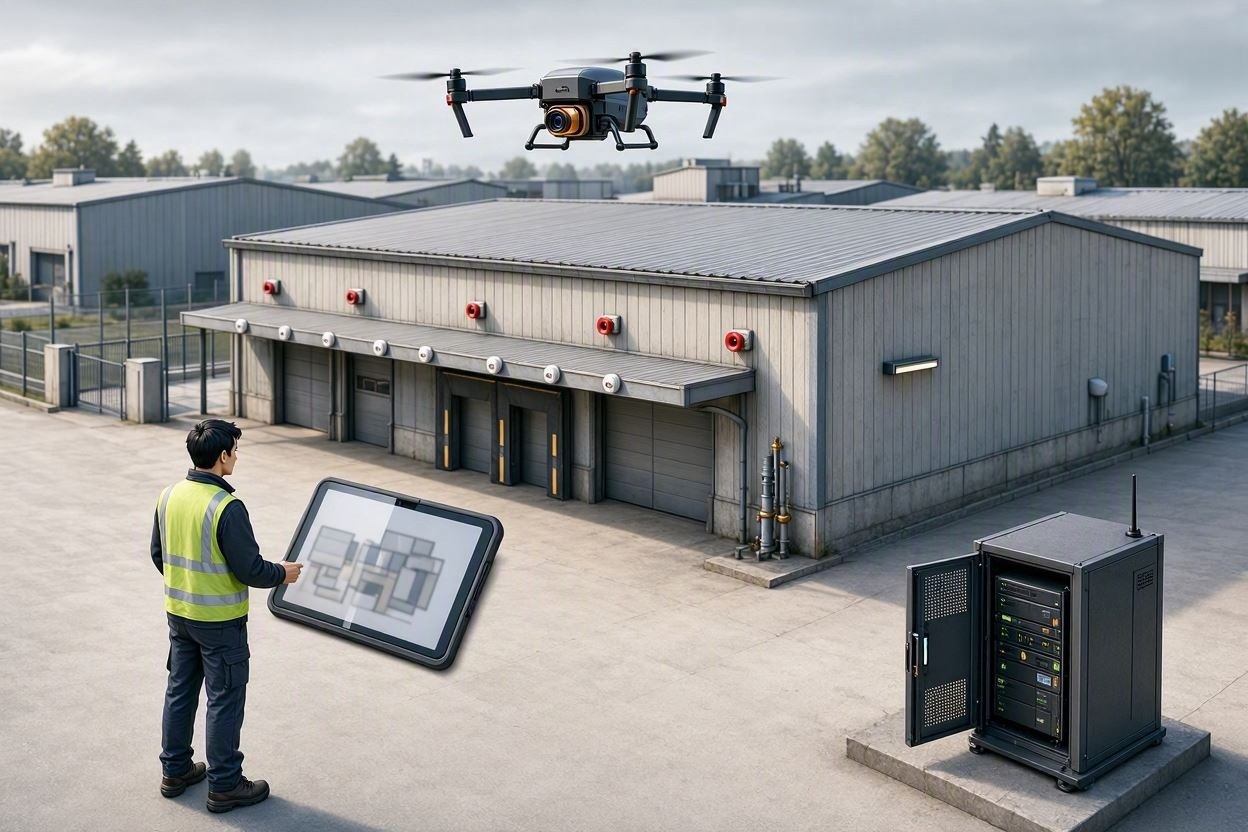
Fire safety on a construction site is difficult to control manually. Layouts change weekly, temporary electrical systems expand, hot works move from one floor to another, and escape routes may be blocked by materials or equipment. An automated compliance program helps contractors, developers, and safety managers detect hazards earlier by comparing real site conditions with fire safety rules, approved plans, and inspection checklists.
Why Fire Safety Automation Matters in Construction
Unlike completed buildings, construction sites are unstable environments. Fire loads can increase quickly due to packaging, timber, insulation, fuel, solvents, and temporary storage. At the same time, permanent systems such as sprinklers, alarms, fire doors, and smoke extraction may not yet be operational. This creates a high-risk period where traditional monthly inspections are often not enough.
An automated program provides continuous or scheduled checks. It does not replace qualified fire safety professionals, but it gives them better data and faster alerts. The main value is consistency: the software follows the same rules every time and records evidence that can be reviewed, shared, and corrected.
How the Program Checks Compliance
Data Collection from the Site
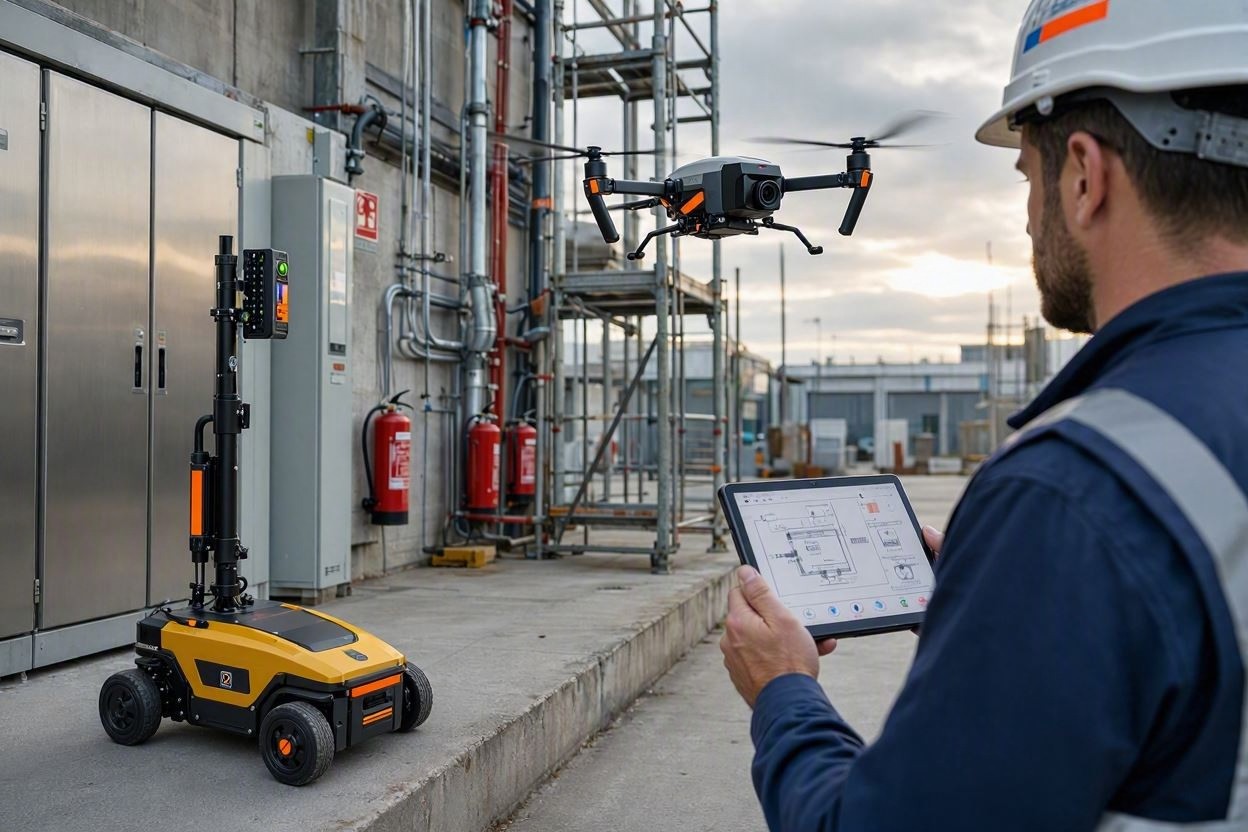
The system can receive information from several sources. These may include mobile inspection forms, digital floor plans, building information models, site cameras, IoT sensors, access control systems, and reports from subcontractors. For example, a supervisor can upload photos of fire extinguishers, temporary exits, cable routes, or hot work areas. Sensors can monitor smoke, heat, gas, or blocked access points.
Rule-Based Analysis
After collecting data, the program compares it with predefined compliance requirements. These rules may be based on local fire codes, insurance standards, company policies, and project-specific risk assessments. The software can verify whether extinguishers are positioned within the required distance, whether emergency routes remain open, and whether combustible materials are stored away from ignition sources.
Risk Scoring and Alerts
Not every issue has the same priority. A missing sign is important, but a blocked stairwell during hot works may be critical. The program can assign a risk score to each finding and send alerts to responsible teams. This helps managers focus first on hazards that could lead to rapid fire spread, delayed evacuation, or non-compliance during an official inspection.
Key Fire Safety Elements the Program Can Monitor
A well-designed compliance program should cover both administrative controls and physical conditions. Common inspection points include:
- Clear and accessible emergency exits, stairs, corridors, and assembly routes.
- Correct placement, condition, and inspection status of fire extinguishers.
- Hot work permits, fire watches, and control of sparks or open flames.
- Safe storage of flammable liquids, gas cylinders, insulation, and waste.
- Temporary electrical installations, overloaded circuits, and damaged cables.
- Availability of temporary fire alarms, signage, lighting, and communication systems.
- Access for fire engines, hydrants, standpipes, and emergency response teams.
Benefits for Contractors and Developers
Fewer Missed Hazards
Manual inspections can be affected by time pressure, fatigue, and inconsistent documentation. Automation reduces the chance that repeated or hidden issues go unnoticed. When the system identifies patterns, such as recurring blocked exits in the same zone, management can address the root cause instead of only fixing isolated incidents.
Better Documentation
Fire safety compliance depends on proof. The program creates a digital record of inspections, photos, timestamps, corrective actions, and approvals. This is useful for internal audits, insurance reviews, client reporting, and communication with authorities. If a dispute occurs, the contractor can demonstrate that risks were identified and managed responsibly.
Faster Corrective Action
Automated notifications shorten the time between detection and correction. Instead of waiting for a report at the end of the week, the responsible subcontractor can receive an immediate task with location, photo evidence, and deadline. Managers can then track whether the issue has been closed and verified.
Implementation Best Practices
To be effective, the program must be adapted to the project rather than used as a generic checklist. Site managers should upload current drawings, define construction phases, assign responsibilities, and align software rules with local legal requirements. Training is also essential: workers need to understand why data collection matters and how to report hazards accurately.
- Start with high-risk areas such as hot works, temporary electrics, and escape routes.
- Integrate the program with existing inspection and permit workflows.
- Review alerts daily and assign clear owners for corrective actions.
- Update compliance rules when the site layout or construction phase changes.
- Use analytics to identify repeated problems and improve prevention.
Human Expertise Remains Essential
Automation improves speed and visibility, but professional judgment is still required. Fire safety engineers, site safety officers, and competent persons must interpret complex situations, approve controls, and ensure the program reflects real conditions. The best results come from combining automated monitoring with regular site walks, worker engagement, and strong leadership.
Conclusion
A program that automatically checks construction sites for fire safety compliance can significantly reduce risk during one of the most hazardous phases of a building’s life cycle. By detecting unsafe conditions, prioritizing alerts, and documenting corrective actions, it helps teams maintain safer sites and prepare confidently for inspections. For modern construction projects, automated fire safety compliance is no longer just a technical upgrade; it is a practical tool for protecting people, property, and project continuity.