

In recent years, there has been a significant advancement in the field of Artificial Intelligence (AI) and Augmented Reality (AR). These technologies have become increasingly popular and have the potential to enhance virtual experiences in various fields such as gaming, education, healthcare, and...
A Program Detects Hidden Heat Leaks in Residential Buildings Using Infrared Imaging
10
26.09.2026
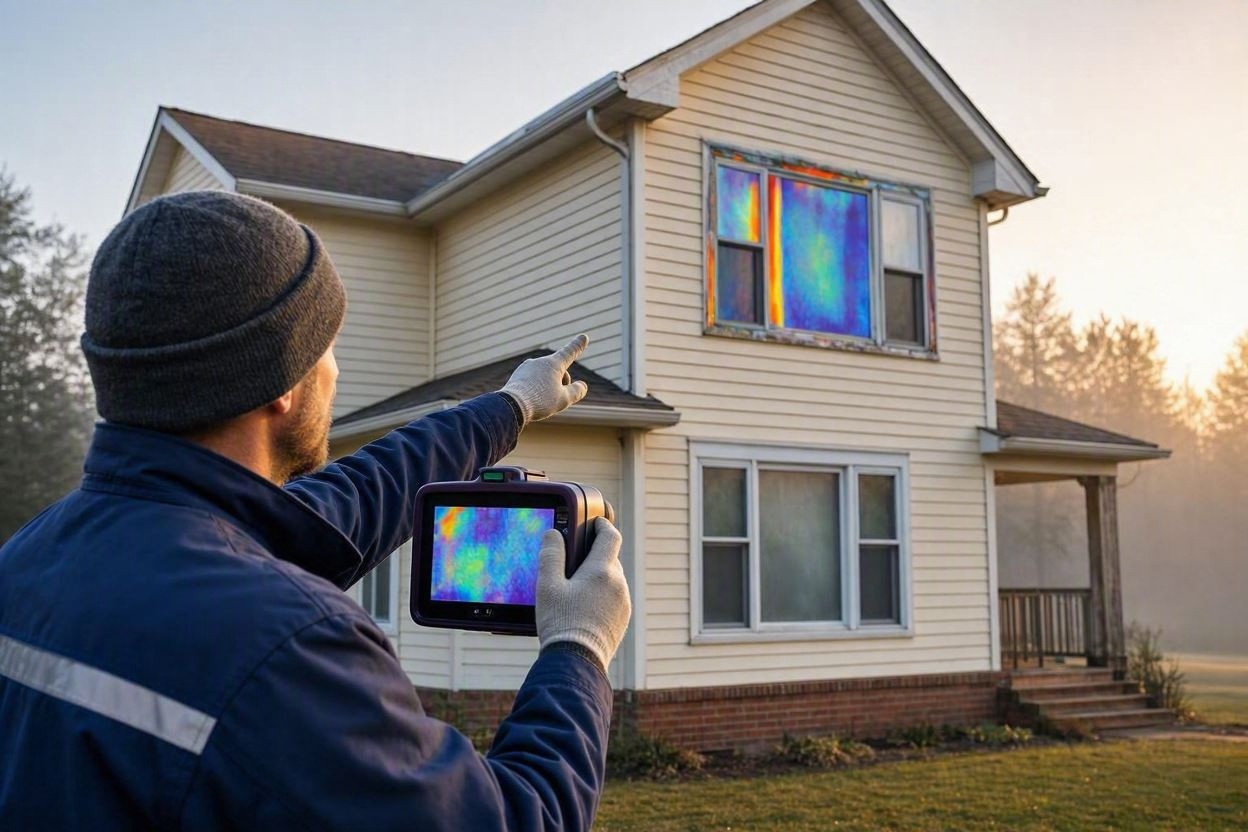
Heat loss is one of the most expensive problems in residential buildings, yet many leaks remain invisible during a routine inspection. A new generation of diagnostic programs uses infrared imaging to identify hidden thermal defects behind walls, around windows, under roofs, and near foundations. By converting temperature differences into readable visual maps, the program helps homeowners, energy auditors, and contractors find exactly where conditioned air is escaping.
How Infrared Imaging Reveals Heat Loss
Infrared cameras detect thermal radiation emitted by surfaces. When a building is heated in winter or cooled in summer, poorly insulated areas create temperature differences. These differences appear in infrared images as contrasting colors, allowing the program to highlight zones where energy performance is weak.
From Thermal Images to Actionable Data
The program does more than display colorful pictures. It analyzes infrared images, compares surface temperatures, and identifies patterns that may indicate missing insulation, air infiltration, moisture intrusion, or thermal bridging. Advanced systems can combine infrared data with building plans, weather conditions, and room measurements to produce a more accurate assessment.
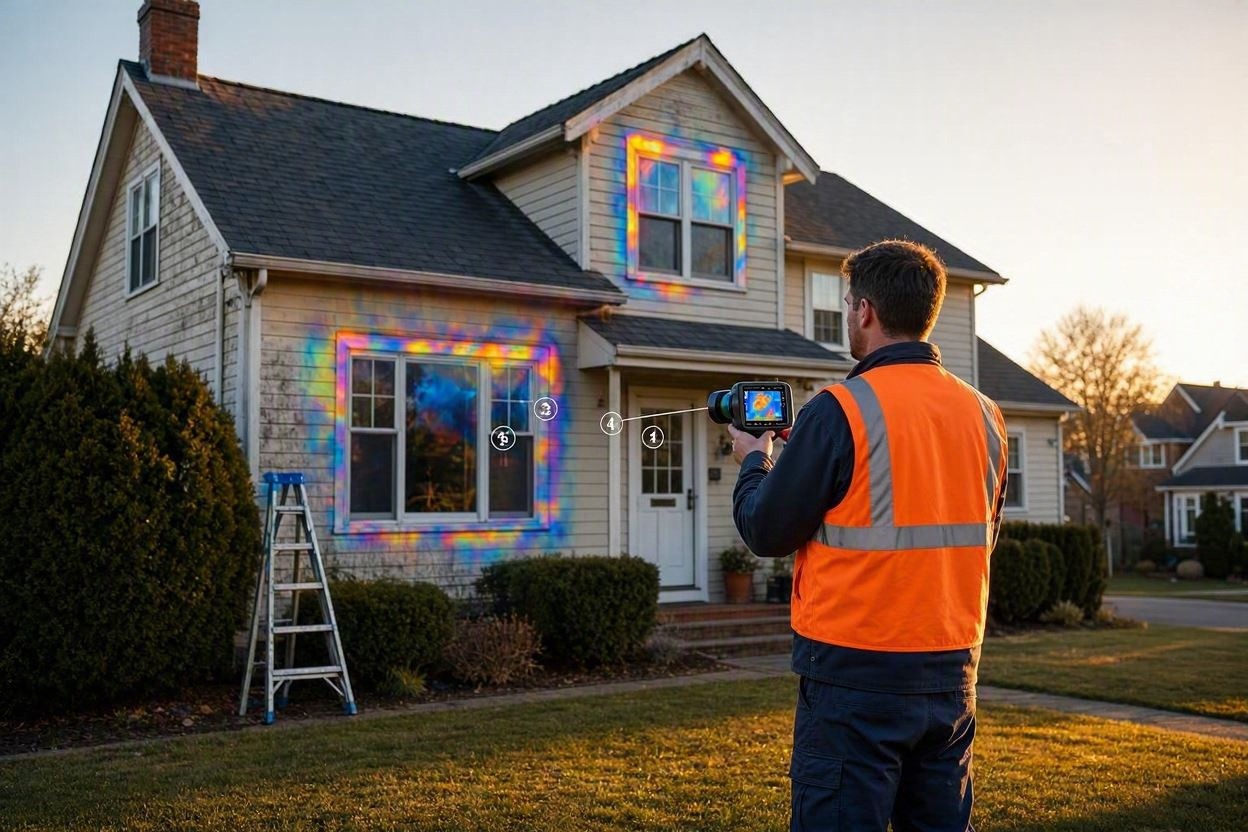
For example, a cold vertical stripe on an interior wall may suggest a gap in insulation between studs. A warm area near an attic hatch during winter may reveal escaping heated air. Repeated temperature anomalies around window frames may indicate failed sealing or poor installation.
Key Areas Where Heat Leaks Are Common
Residential heat leaks often occur in predictable locations, but their exact severity varies from one building to another. Infrared software helps prioritize repairs by showing which defects have the strongest thermal impact.
- Attic access points, roof joints, and ceiling penetrations
- Window frames, door thresholds, and exterior wall openings
- Basement rim joists, crawl spaces, and foundation edges
- Electrical outlets, recessed lighting, and plumbing penetrations
- Wall cavities with missing, compressed, or uneven insulation
Why Hidden Leaks Matter
Even small leaks can increase heating and cooling costs over time. They can also create uncomfortable rooms, drafts, condensation, and uneven indoor temperatures. In colder climates, escaping warm air may contribute to ice dams on roofs. In humid areas, air leaks can carry moisture into wall assemblies, increasing the risk of mold and material damage.
How the Program Improves Home Energy Audits
Traditional inspections rely heavily on visual checks and experience. Infrared analysis adds measurable evidence. When used with blower door testing, the program becomes especially powerful. A blower door depressurizes the home, forcing outside air through gaps and making leaks more visible on infrared images.
Benefits for Homeowners
For homeowners, the main advantage is clarity. Instead of guessing where to add insulation or caulk, they receive a targeted report with thermal images and repair recommendations. This can prevent unnecessary upgrades and focus investment on the areas with the greatest return.
- Schedule an infrared inspection during a clear temperature difference between indoors and outdoors.
- Allow the program to scan rooms, exterior walls, attic areas, and basement spaces.
- Review the thermal report with an energy professional.
- Complete prioritized air sealing, insulation, or weatherization work.
- Use a follow-up scan to verify improvement.
Accuracy Depends on Conditions
Infrared diagnostics are highly useful, but correct interpretation is essential. Sunlight, wind, rain, reflective surfaces, and recent HVAC changes can affect readings. The program must account for these variables, and the operator should understand building science. A thermal anomaly does not always mean missing insulation; it may also indicate moisture, structural framing, or air movement.
Best Time for Scanning
The best results usually occur when there is a stable temperature difference of at least 10 degrees Celsius, or about 18 degrees Fahrenheit, between indoor and outdoor air. Early morning or evening scans are often preferable because solar heating can distort exterior readings during the day.
Turning Detection into Energy Savings
The value of an infrared imaging program lies in its ability to connect diagnosis with practical action. Once heat leaks are documented, contractors can seal gaps, improve attic insulation, repair weatherstripping, insulate rim joists, or correct ventilation issues. These targeted improvements may reduce utility bills, increase comfort, and extend the life of heating and cooling equipment.
For older homes, the program can reveal decades of hidden inefficiency. For new construction, it can verify installation quality before problems become expensive. In both cases, infrared imaging transforms invisible heat loss into visible evidence, making residential energy upgrades more precise, cost-effective, and reliable.