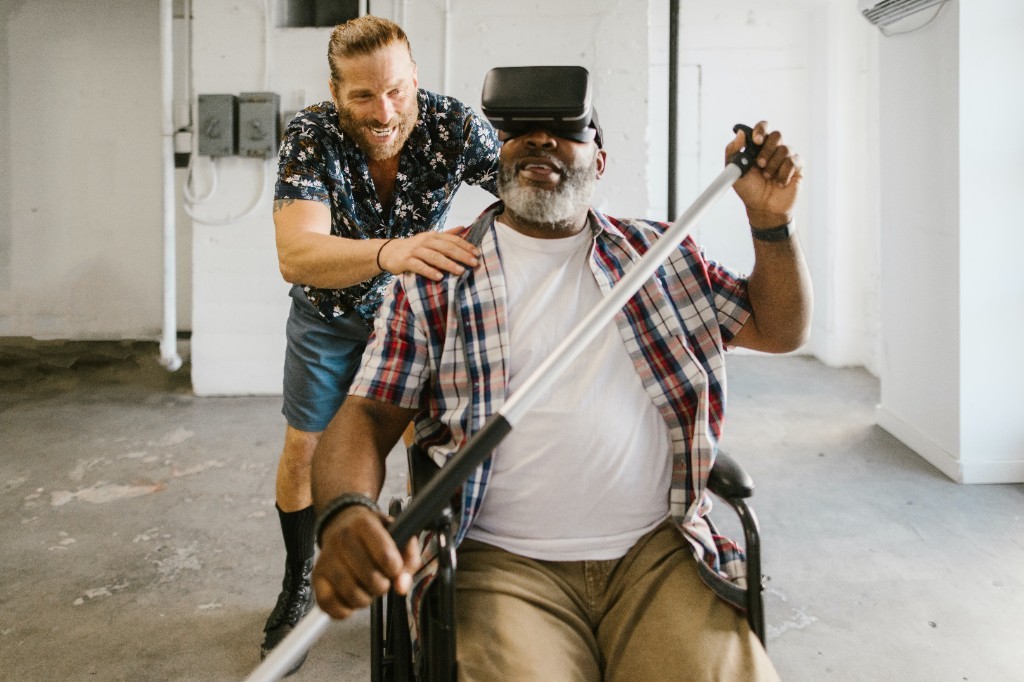

In recent years, there has been a significant advancement in the field of Artificial Intelligence (AI) and Augmented Reality (AR). These technologies have become increasingly popular and have the potential to enhance virtual experiences in various fields such as gaming, education, healthcare, and...
A Digital Restorer Brings Color Back to Black-and-White Photographs
189
04.05.2026

Black-and-white photographs offer a powerful glimpse into the past, capturing moments with a timeless aesthetic. However, they often lack the vivid detail that color can provide. A new digital restoration system uses artificial intelligence to bring color back to these images, transforming historical records into lifelike representations of the past.
The Importance of Photographic Restoration
Historical photographs are invaluable cultural artifacts. They preserve memories, document events, and provide insight into past societies. However, many of these images have deteriorated over time or exist only in monochrome.
Colorization enhances these photographs, making them more relatable and easier to interpret.
Benefits of Color Restoration
- Improved visual clarity
- Enhanced emotional connection
- Greater historical accessibility
How the AI System Works
The digital restorer uses deep learning models trained on large datasets of color images. By analyzing patterns, textures, and context, it predicts realistic colors for black-and-white photographs.
Processing Steps
- Image preprocessing and noise reduction
- Object recognition and segmentation
- Color prediction using neural networks
- Post-processing for consistency
The system considers contextual clues such as clothing styles, environmental features, and lighting conditions.

Challenges in Colorization
Restoring color is not simply a technical task—it also involves interpretation. The original colors may not be known, requiring the system to make informed guesses.
Main Challenges
- Ambiguity in historical data
- Variations in lighting and exposure
- Limited reference materials
Applications
The technology is used in museums, archives, and media production.
Use Cases
- Restoring family photographs
- Enhancing historical documentaries
- Digitizing archival collections
Ethical Considerations
Colorization raises questions about authenticity. While it enhances images, it may also alter their original appearance.
Experts emphasize the importance of transparency when presenting restored images.
The Future of Digital Restoration
Advancements in AI will continue to improve accuracy and realism. Future systems may reconstruct not only color but also missing details and textures.
This technology bridges the gap between past and present, allowing people to experience history in a more vivid and engaging way.