

Blog
0
10.10.2026
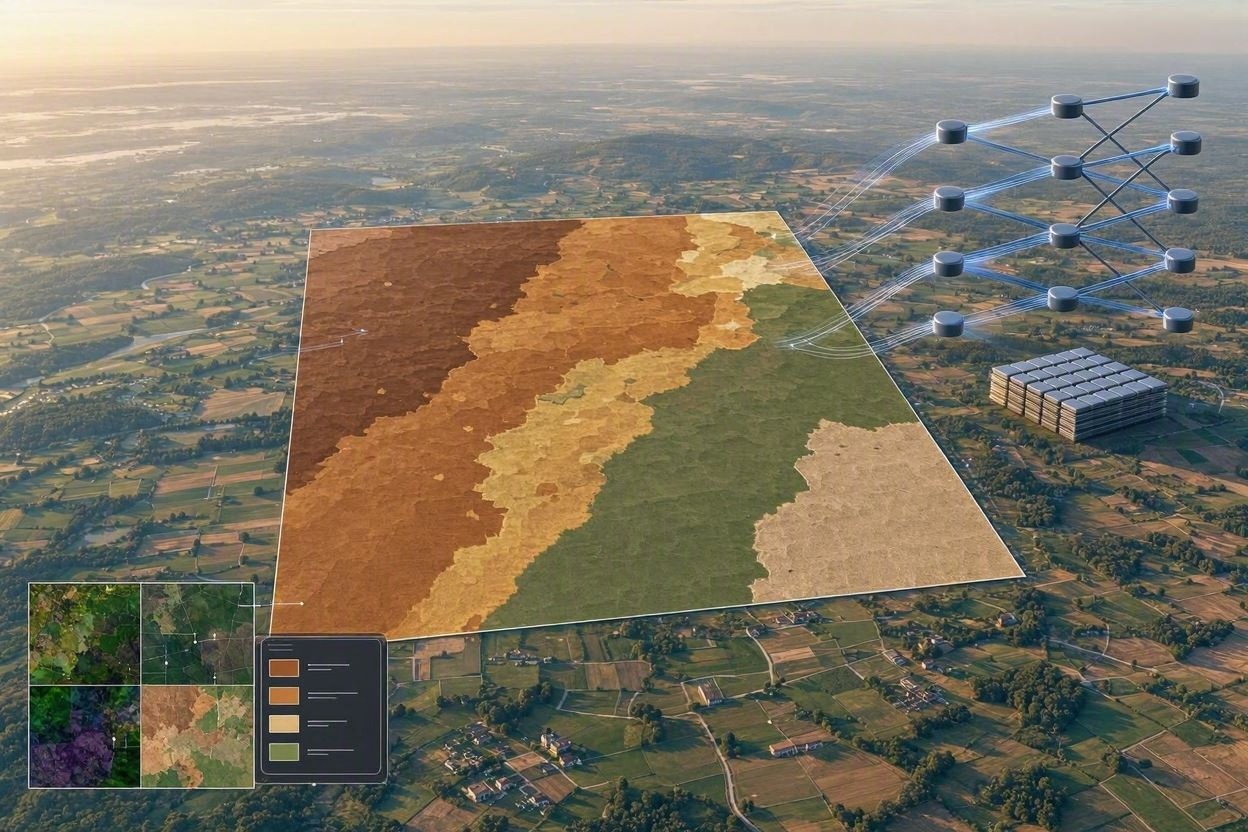
Accurate soil classification is one of the foundations of profitable and sustainable agriculture. Texture, organic matter, salinity, drainage, and mineral composition influence nearly every field decision, from crop selection to fertilizer rates. Traditionally, agronomists have relied on soil surveys, laboratory tests, and field scouting. These methods remain essential, but they are expensive, time-consuming, and often too sparse to capture variation within large or fragmented farms. Neural networks trained on satellite imagery are changing this workflow by turning remote sensing data into practical soil intelligence.
5
09.10.2026
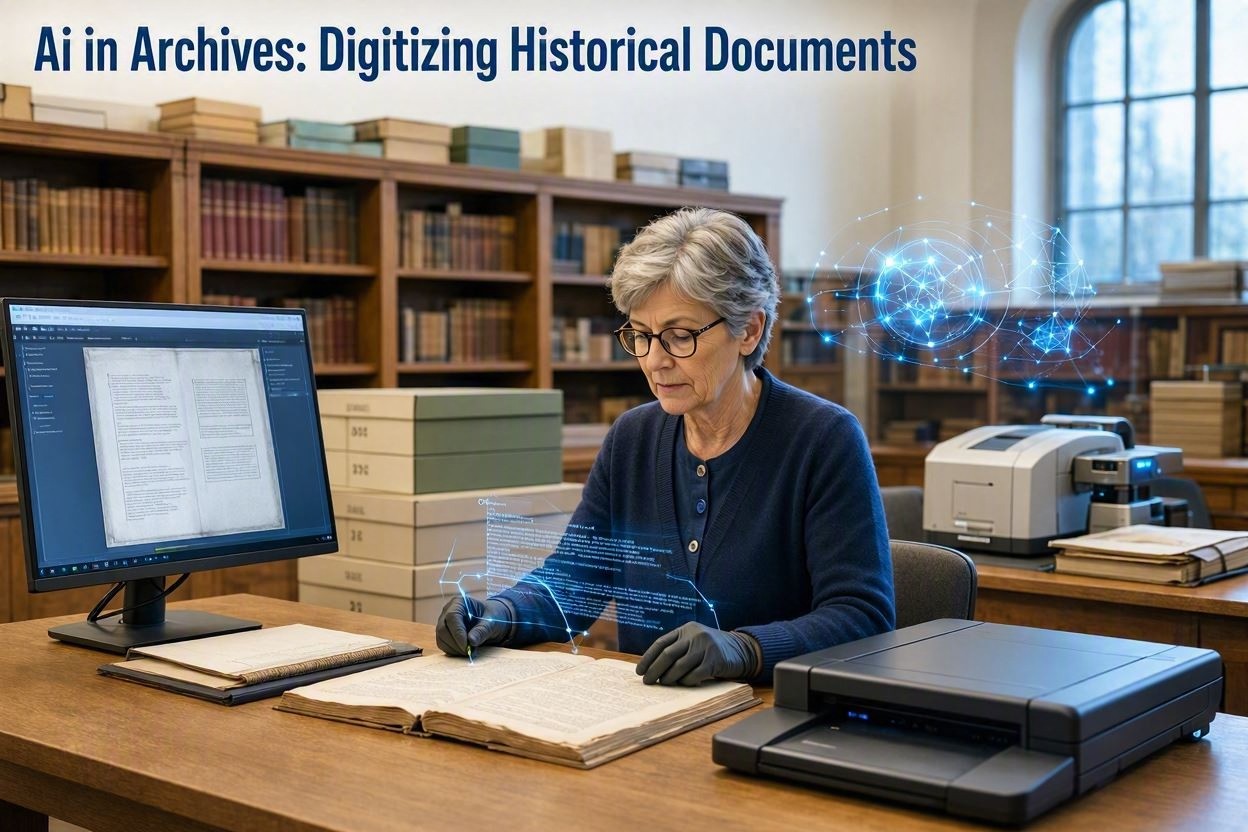
Archives hold letters, maps, ledgers, court records, photographs, newspapers, and institutional files that explain how societies lived, worked, governed, and remembered. For decades, archivists have protected these materials while facing a difficult problem: the volume of records is far greater than the time and staff available to describe them in detail. Artificial intelligence is changing that balance. Used carefully, AI helps archivists digitize historical documents faster, extract searchable information, and create richer catalogues without replacing professional judgment.

11
08.10.2026
Concert halls are designed to make music feel alive, yet even beautiful rooms can hide acoustic flaws. A balcony may receive weak strings, speech may blur in the rear seats, or bass frequencies may build up near walls. Traditionally, solving these issues required repeated manual measurements, expert listening, and costly trial-and-error changes. Today, artificial intelligence gives acousticians a faster and more precise way to understand how sound behaves in a hall and how it can be improved.
19
07.10.2026
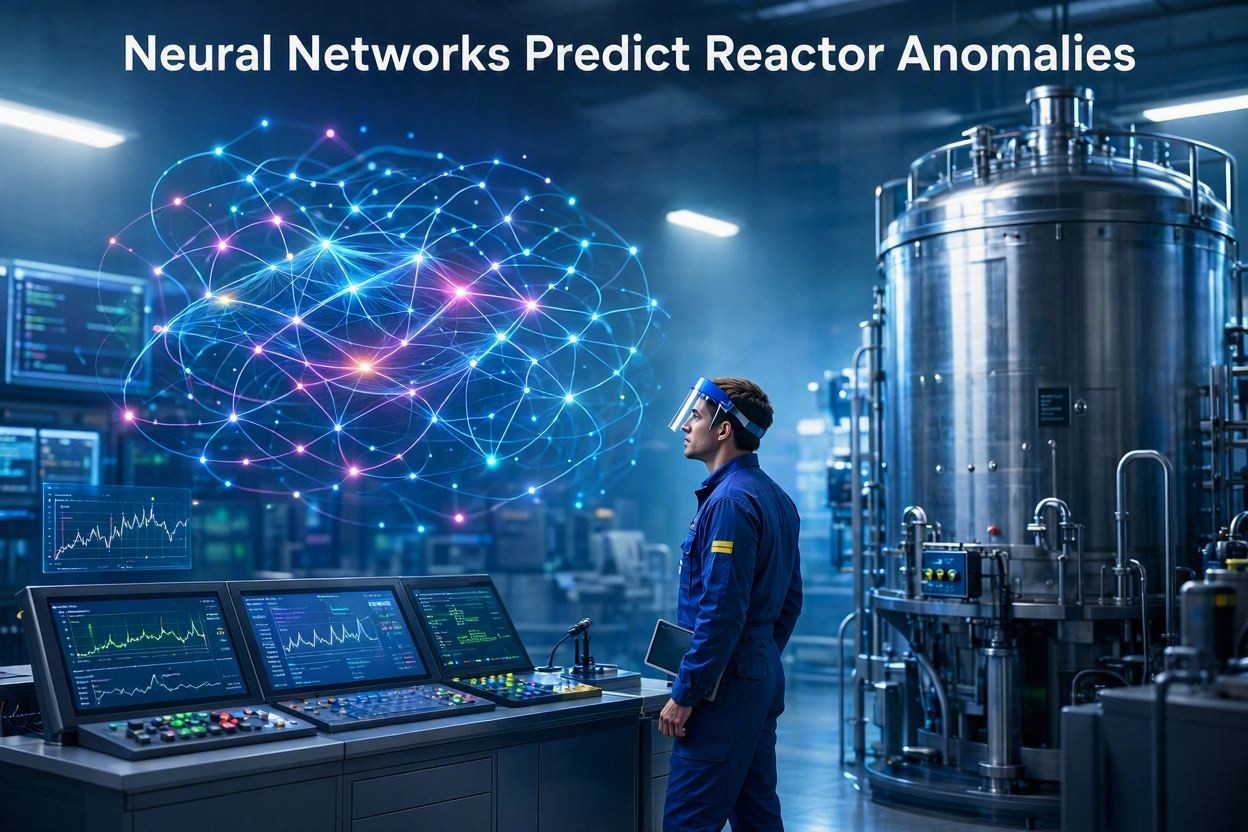
Nuclear power plants generate enormous streams of operational data every second. Temperature, pressure, neutron flux, coolant flow, vibration, valve position, and chemistry readings are continuously monitored to keep the reactor within safe limits. A neural network can turn this data into an early-warning system, helping operators detect subtle abnormal patterns before they develop into operational events.

20
06.10.2026
Choosing the right cancer therapy is rarely a single-drug decision. Many tumors adapt quickly, activate backup signaling pathways, or contain genetically diverse cell populations. For oncologists, this creates a difficult question: which combination of drugs is most likely to work for a particular cancer type without causing unacceptable toxicity? Neural networks are increasingly being developed to support this decision by analyzing biological data, clinical evidence, and known drug interactions at a scale that is impossible to manage manually.
29
05.10.2026
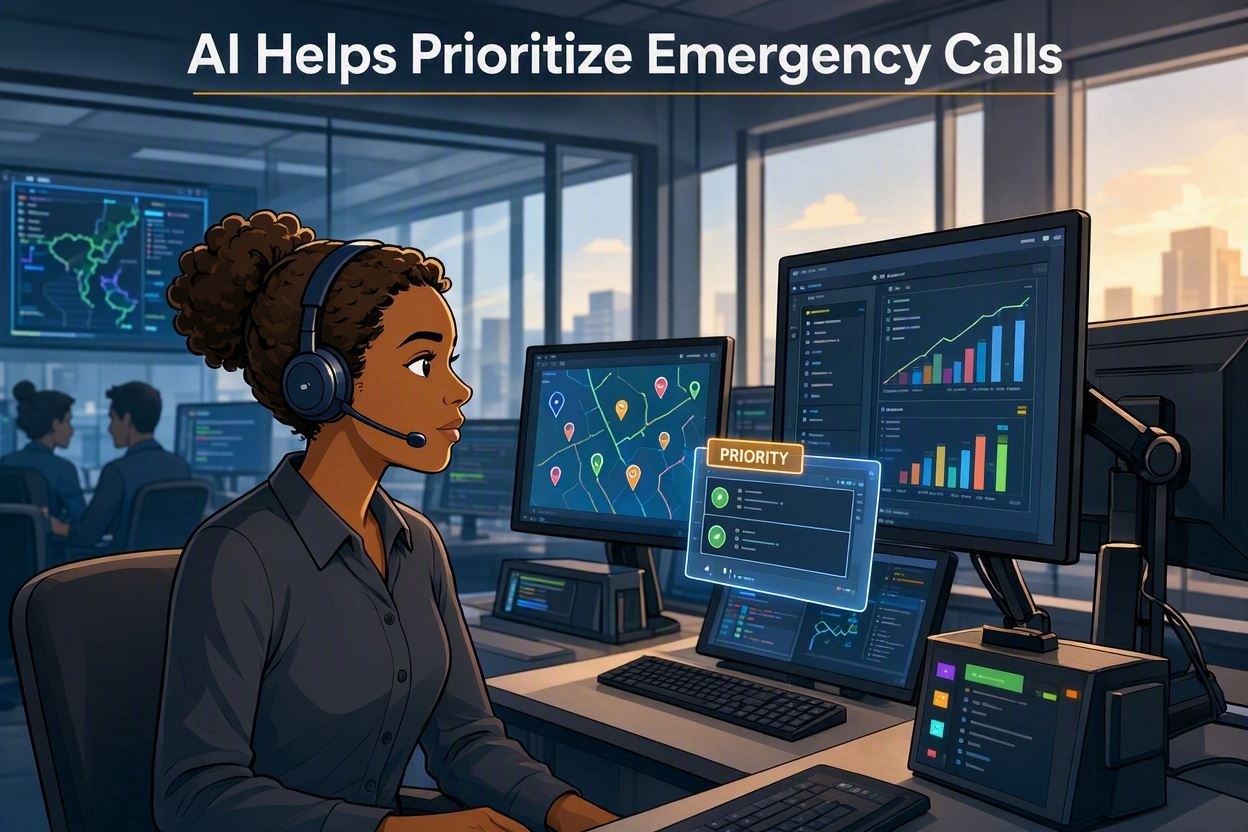
Emergency dispatch centers operate under constant pressure. Every call may involve a heart attack, a fire, a violent incident, a traffic crash, or a caller who cannot clearly explain what is happening. In such conditions, seconds matter. A neural network can support dispatchers by analyzing incoming information in real time and helping identify which calls require the fastest response.
31
04.10.2026
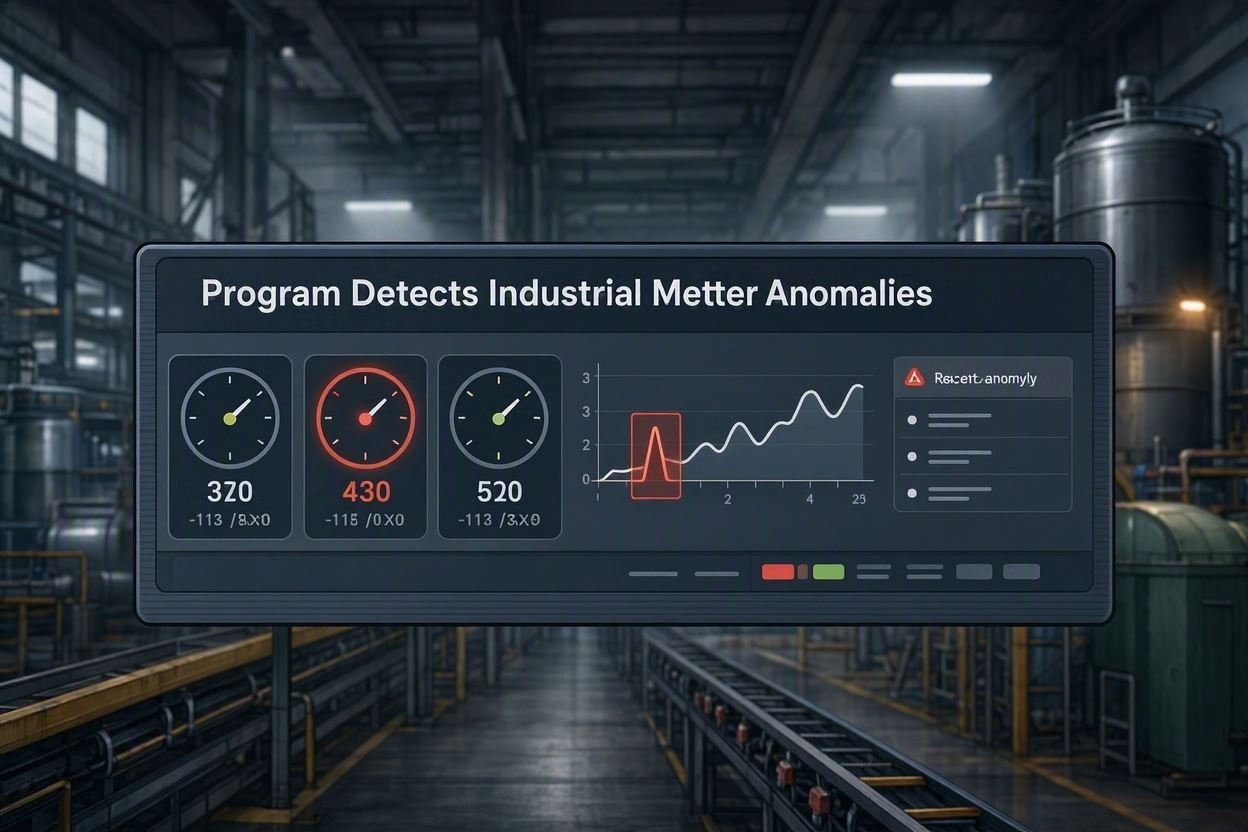
Industrial meters record the pulse of a facility: electricity demand, gas flow, steam consumption, water usage, pressure, temperature, and other critical values. When these readings shift unexpectedly, the cause may be harmless, such as a production change, or serious, such as a leaking pipe, faulty sensor, unauthorized consumption, or equipment failure. A program designed to detect anomalies in industrial meter readings helps teams identify these events early, before they become expensive incidents.
32
03.10.2026
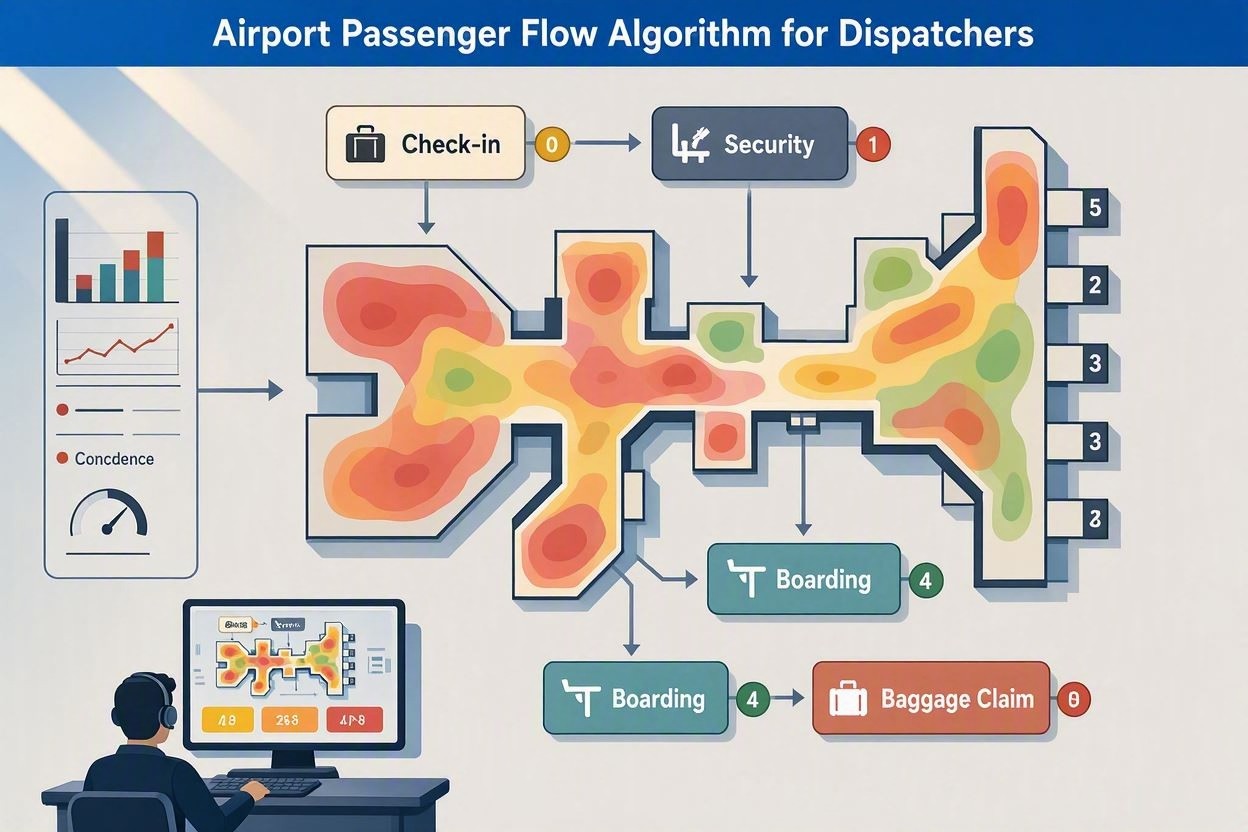
Airports operate like living systems: every flight delay, security lane closure, weather alert, or late-arriving bus can change passenger movement within minutes. For dispatchers, the challenge is not simply seeing where crowds are forming, but understanding where pressure will appear next. Modern passenger flow algorithms give airport control teams that forward-looking view, helping them make faster and more accurate operational decisions.

44
02.10.2026
Young drivers have long been difficult for insurers to price fairly. Traditional motor insurance models often rely on broad indicators such as age, postcode, vehicle type, claims history, and driving experience. While these factors are useful, they can place many careful young motorists into the same high-risk category as reckless drivers. A new generation of risk algorithms is changing that approach by using richer data to assess how a person actually drives.
57
01.10.2026
Financial statement manipulation remains one of the most damaging risks in capital markets. When publicly traded companies overstate revenue, hide liabilities, smooth earnings, or distort cash flow, investors make decisions on unreliable information. Traditional audits and regulatory reviews are essential, but they are often constrained by sampling, time pressure, and the complexity of modern reporting. Artificial intelligence is becoming a powerful additional layer of defense because it can analyze large volumes of financial, textual, and market data at speeds humans cannot match.