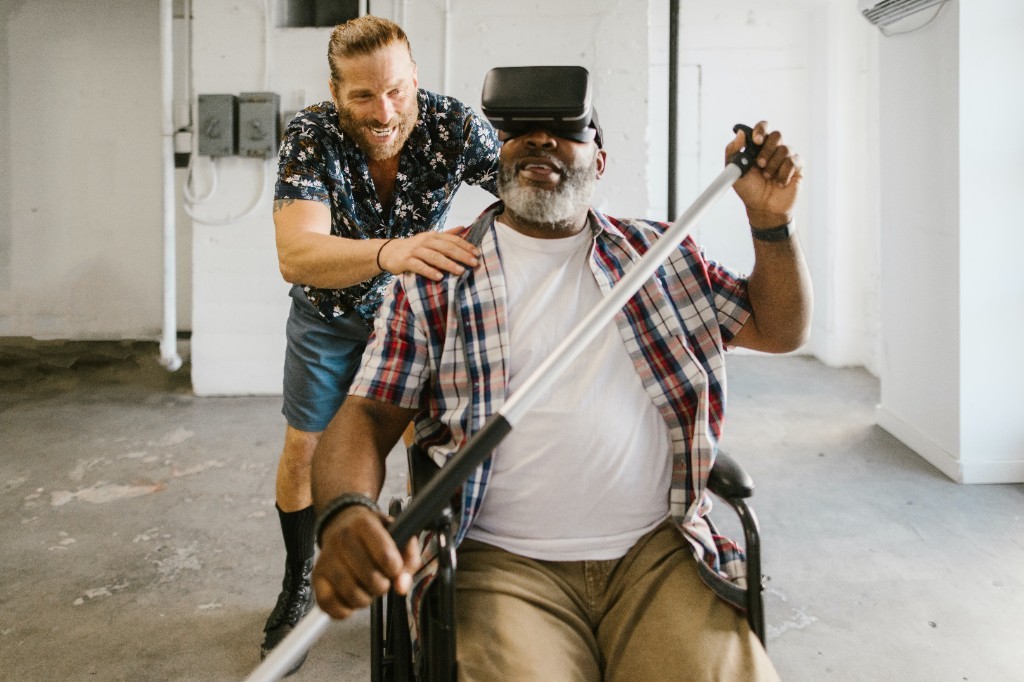
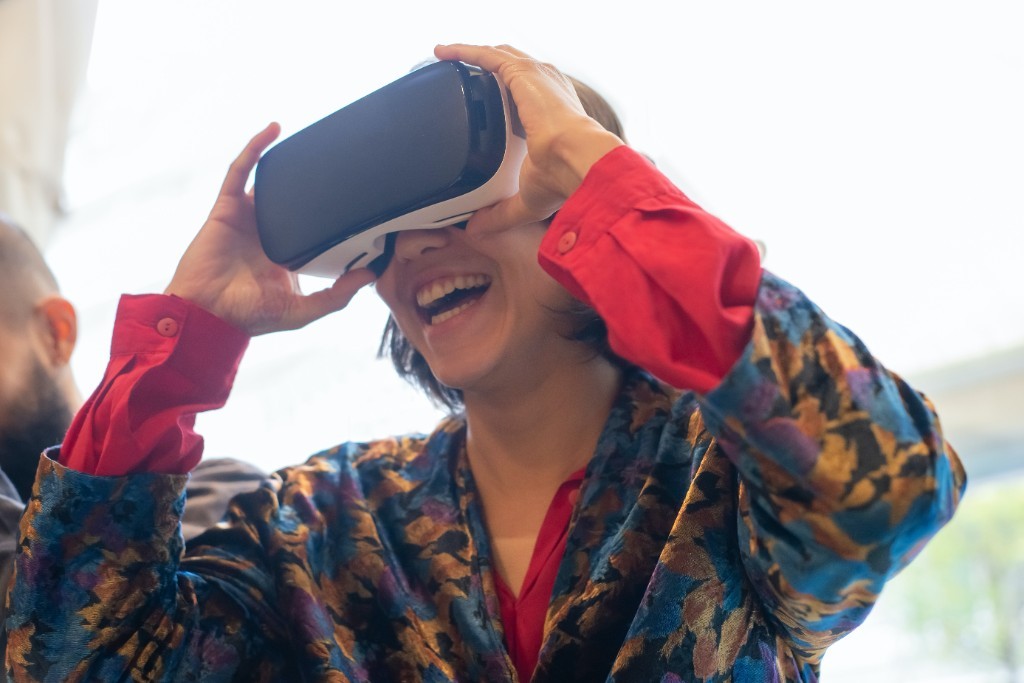
In recent years, there has been a significant advancement in the field of Artificial Intelligence (AI) and Augmented Reality (AR). These technologies have become increasingly popular and have the potential to enhance virtual experiences in various fields such as gaming, education, healthcare, and...
A Digital Translator Dubs Foreign Films Using the Original Actors' Voices
208
28.04.2026
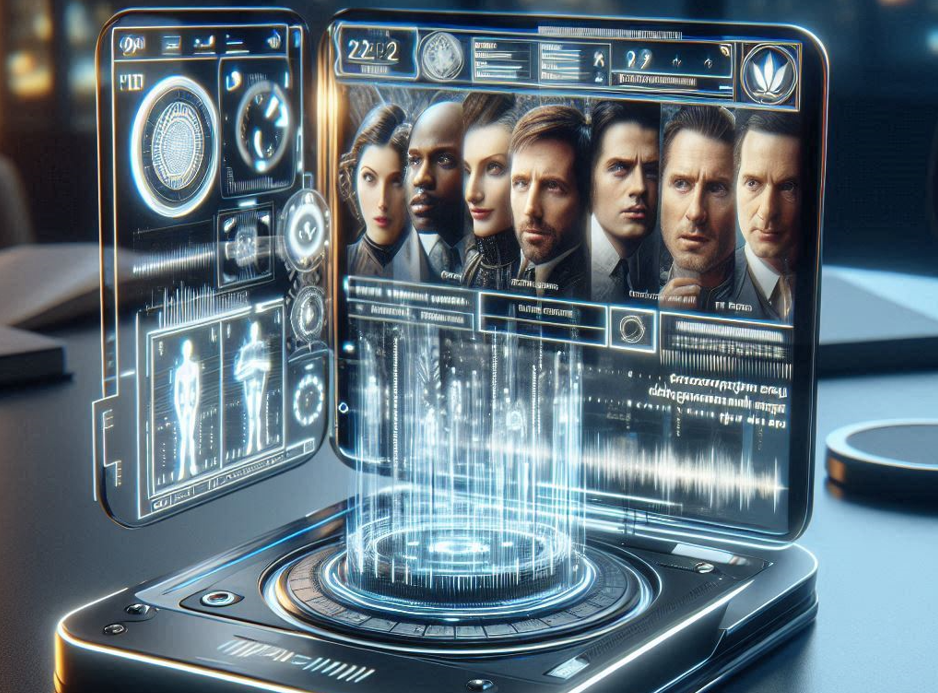
For decades, watching foreign films has often meant choosing between subtitles and dubbed audio. Subtitles preserve authenticity but require constant attention, while dubbing makes films more accessible but often loses the original actors' emotional nuance. A groundbreaking digital translator is changing this dynamic by dubbing films using the original actors’ voices in different languages.
The Problem with Traditional Dubbing
Conventional dubbing involves voice actors who reinterpret performances in another language. While skilled, they inevitably introduce differences in tone, timing, and emotional delivery.
Limitations of Traditional Methods
- Loss of original vocal identity
- Mismatch between lip movements and audio
- Inconsistent emotional expression
These issues can disrupt immersion and alter the audience’s experience.
The AI-Driven Solution
The new system uses advanced speech synthesis and voice cloning technology to recreate an actor’s voice in a different language. It preserves vocal characteristics such as tone, pitch, and rhythm.
Core Technologies
- Neural voice cloning models
- Multilingual natural language processing
- Lip-sync alignment algorithms
The result is a seamless transformation where actors appear to speak multiple languages naturally.
How the Process Works
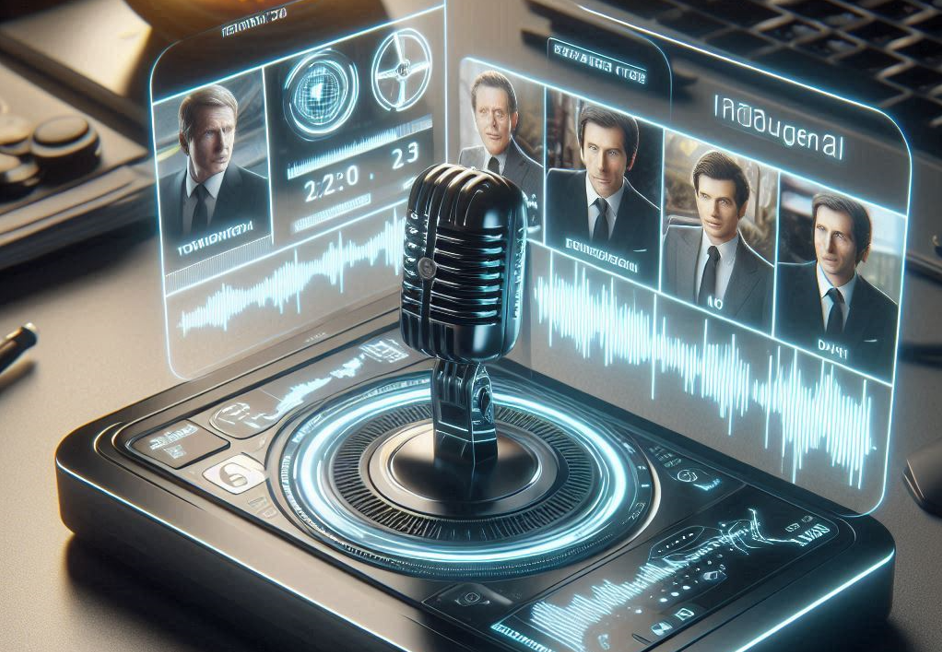
The system begins by analyzing the original audio track. It extracts vocal features and emotional cues, which are then mapped onto translated dialogue.
Workflow Steps
- Speech recognition and transcription
- Translation with contextual understanding
- Voice synthesis using actor-specific models
- Lip-sync adjustment for visual consistency
Each step is optimized to maintain synchronization and emotional authenticity.
Preserving Emotional Integrity
One of the most significant achievements of this technology is its ability to retain the emotional depth of performances. Subtle variations in tone, pauses, and emphasis are carefully reproduced.
This allows audiences to experience films as if they were originally produced in their native language.
Impact on the Film Industry
The technology has the potential to transform global film distribution. Producers can release films simultaneously in multiple languages without compromising quality.
Industry Benefits
- Expanded global reach
- Reduced dubbing costs
- Faster localization processes
Ethical and Legal Considerations
Using an actor’s voice in multiple languages raises questions about consent and intellectual property. Clear agreements and safeguards are essential.
Key Concerns
- Ownership of voice data
- Unauthorized use of voice models
- Transparency in AI-generated content
The Future of Film Translation
As the technology evolves, it may extend beyond films to video games, virtual reality, and live broadcasts.
Ultimately, this innovation bridges linguistic barriers while preserving artistic integrity, bringing audiences closer to stories from around the world.