In recent years, there has been a significant advancement in the field of Artificial Intelligence (AI) and Augmented Reality (AR). These technologies have become increasingly popular and have the potential to enhance virtual experiences in various fields such as gaming, education, healthcare, and...
A Neural Network Detects Stroke Risk from a Retinal Scan
82
21.10.2026
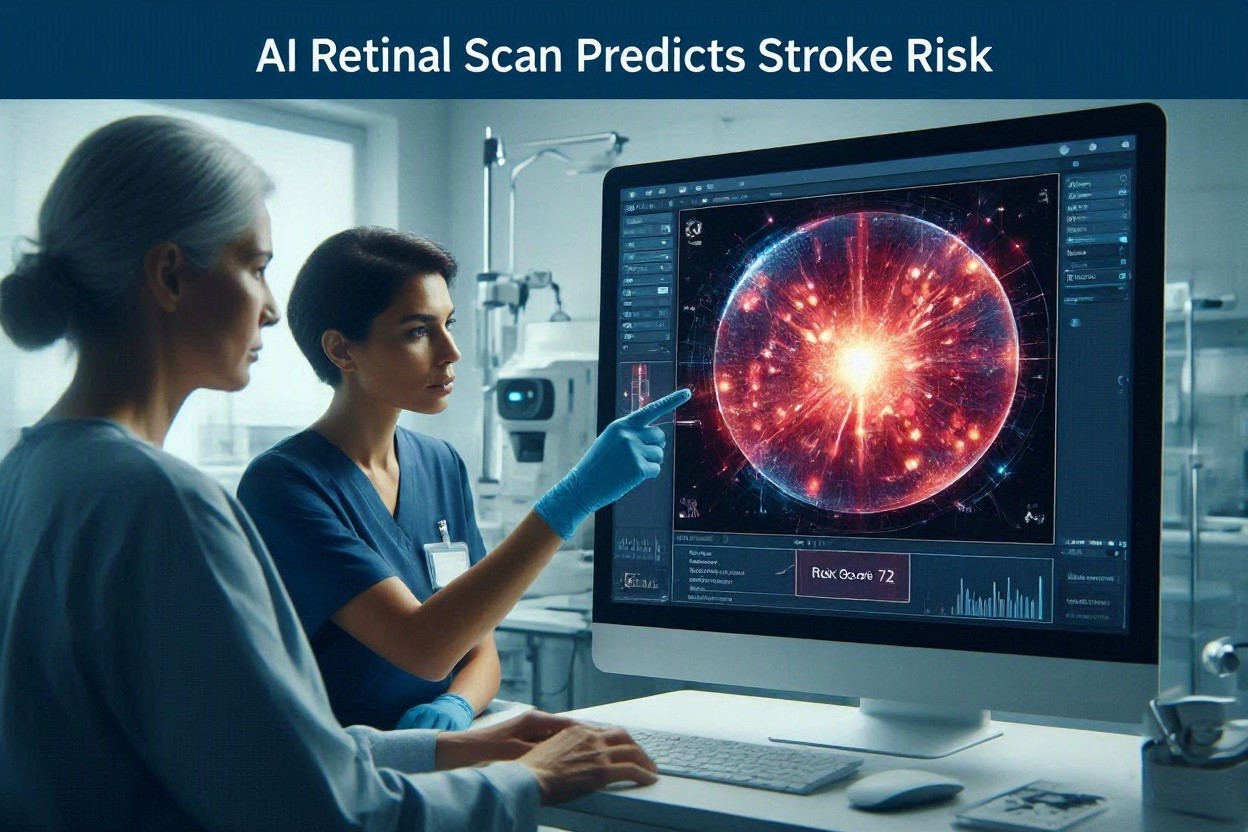
A retinal scan may soon do more than assess eye health. Researchers are training neural networks to analyze images of the back of the eye and estimate a person’s risk of stroke. The idea is compelling: the retina contains tiny blood vessels that reflect the condition of the body’s vascular system. Because stroke is often linked to damaged, narrowed, or fragile blood vessels, retinal imaging could become a practical tool for earlier risk detection.
Why the Retina Can Reveal Stroke Risk
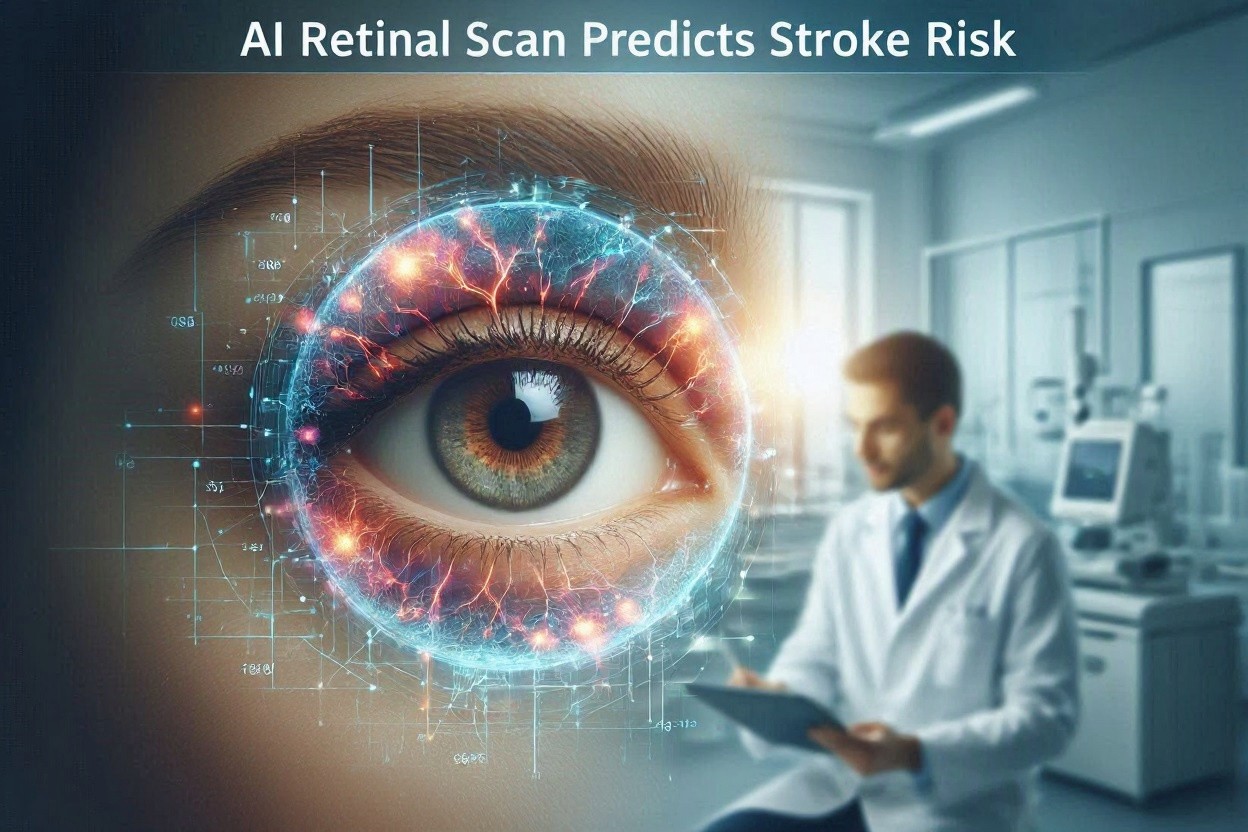
The retina is the only place in the body where small blood vessels can be viewed directly and noninvasively. A standard fundus photograph captures arteries, veins, vessel branching patterns, and subtle signs of microvascular damage. These features can be associated with hypertension, diabetes, atherosclerosis, and other conditions that increase the likelihood of stroke.
Traditionally, clinicians evaluate stroke risk using factors such as age, blood pressure, cholesterol levels, smoking status, atrial fibrillation, and medical history. Retinal analysis does not replace these assessments. Instead, it may add another layer of information, especially when vascular damage is already visible in the eye before symptoms appear elsewhere.
What the Neural Network Looks For
A neural network does not “see” the image in the same way a doctor does. It processes thousands or millions of visual patterns, including vessel width, curvature, density, hemorrhages, and texture changes. Some of these patterns may be too subtle or complex for routine human interpretation.
During training, the system compares retinal images with known clinical outcomes. If a group of patients later experienced strokes, the algorithm learns which image features were statistically linked to that outcome. Over time, it can estimate risk in new scans by identifying similar visual signatures.
How the Technology Works in Practice
The typical workflow is simple. A patient undergoes a retinal photograph, often using equipment already available in ophthalmology clinics and some primary care settings. The image is uploaded to a secure system, where the neural network analyzes it and generates a risk score or classification. This result can then be reviewed alongside conventional medical data.
Key Steps in the AI Pipeline
- Image acquisition using a fundus camera or comparable retinal imaging device.
- Quality control to exclude blurred, poorly lit, or incomplete scans.
- Automated detection of retinal vessels and structural features.
- Risk estimation based on patterns learned from large clinical datasets.
- Clinical interpretation by a qualified healthcare professional.
The greatest advantage is accessibility. Retinal imaging is quick, painless, and relatively inexpensive compared with advanced brain or vascular imaging. If validated across diverse populations, AI-assisted retinal screening could help identify high-risk individuals who need further cardiovascular evaluation.
Potential Benefits for Preventive Medicine
Stroke prevention depends on recognizing risk before a major event occurs. Many risk factors can be modified through medication, lifestyle changes, and closer monitoring. If a retinal scan indicates elevated risk, a clinician may decide to check blood pressure more aggressively, screen for irregular heart rhythms, adjust lipid-lowering therapy, or recommend targeted lifestyle interventions.
Who Might Benefit Most
This technology may be especially useful for people with diabetes, hypertension, chronic kidney disease, or a family history of cardiovascular disease. It may also support screening in communities where access to specialists is limited. In such settings, a fast AI-based scan could help prioritize patients who require urgent follow-up.
Another benefit is repeatability. Retinal scans can be performed periodically, allowing doctors to monitor changes in the microvasculature over time. A worsening vascular pattern may signal the need to reassess treatment even if the patient feels well.
Important Limitations and Ethical Concerns
Despite its promise, this approach must be used carefully. A neural network can produce false positives, which may cause anxiety and unnecessary tests. It can also produce false negatives, giving patients a misleading sense of safety. Accuracy depends heavily on the quality of the training data, the diversity of patient populations, and the clinical context in which the tool is used.
Why Validation Matters
Algorithms trained on one population may perform less well in another. Differences in ethnicity, age, imaging devices, disease prevalence, and healthcare access can affect results. For this reason, AI retinal stroke prediction requires large external validation studies and transparent performance reporting before widespread adoption.
Privacy is another critical issue. Retinal images are biometric data and must be protected. Patients should understand how their images are stored, whether they are used for further training, and who has access to the results.
The Future of AI-Based Stroke Screening
A neural network that detects stroke risk from a retinal scan represents a promising shift toward preventive, data-driven medicine. The strongest use case is not replacing doctors, but helping them identify vascular risk earlier and more efficiently. When combined with clinical judgment and established risk factors, retinal AI could become a valuable decision-support tool.
The next step is careful integration into real-world healthcare. If future studies confirm reliability, affordability, and fairness, a simple eye scan may become an important window into brain and cardiovascular health.