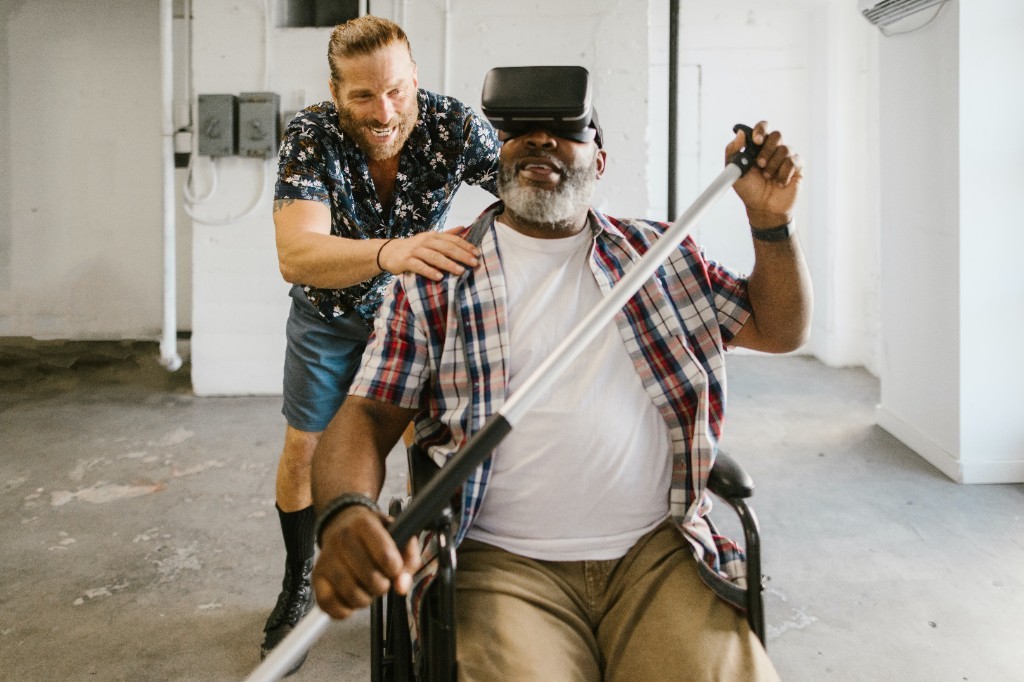

In recent years, there has been a significant advancement in the field of Artificial Intelligence (AI) and Augmented Reality (AR). These technologies have become increasingly popular and have the potential to enhance virtual experiences in various fields such as gaming, education, healthcare, and...
A Neural Network Drafts Wills Based on Voice Prompts
223
29.04.2026

Estate planning is often perceived as complex, time-consuming, and intimidating. Legal terminology, documentation requirements, and the emotional weight of decision-making can discourage many people from creating a will. A neural network designed to draft wills based on voice prompts is transforming this process, making it more accessible and efficient.
The Complexity of Traditional Will Creation
Creating a will typically involves consultations with legal professionals, extensive paperwork, and careful structuring of assets and instructions.
Common Barriers
- Complex legal language
- High costs of professional services
- Time-consuming documentation
- Emotional difficulty in decision-making
These factors often lead to delays or incomplete estate planning.
The AI-Based Approach
The neural network simplifies the process by allowing users to describe their wishes verbally. It then converts these instructions into a structured legal document.
Core Capabilities
- Speech recognition and transcription
- Natural language understanding
- Legal document generation
The system interprets intent, organizes information, and ensures compliance with legal standards.
How the System Works
Users interact with the system through a conversational interface. They can specify beneficiaries, asset distribution, and special instructions.
Processing Steps
- Capture and transcribe voice input
- Identify key entities and relationships
- Structure information into legal format
- Generate a draft document for review
The output is a clear, organized will that can be further refined if needed.

Advantages of Voice-Based Drafting
Speaking is often more natural than writing, especially when dealing with complex or sensitive topics.
Key Benefits
- Faster creation of legal documents
- Improved accessibility for non-experts
- Reduced reliance on expensive services
- More intuitive user experience
Ensuring Legal Accuracy
The system incorporates legal frameworks and jurisdiction-specific rules to ensure that generated wills meet requirements.
However, final review by a legal professional is still recommended.
Challenges and Risks
Automating legal processes introduces potential risks, including misinterpretation of user intent and incomplete information.
Potential Issues
- Ambiguity in spoken instructions
- Variations in legal requirements
- Dependence on accurate input
The Future of AI in Legal Services
This technology represents a broader trend toward accessible legal tools. Future systems may handle more complex documents and provide real-time legal guidance.
By simplifying estate planning, the neural network empowers individuals to take control of their financial legacy with greater ease and confidence.