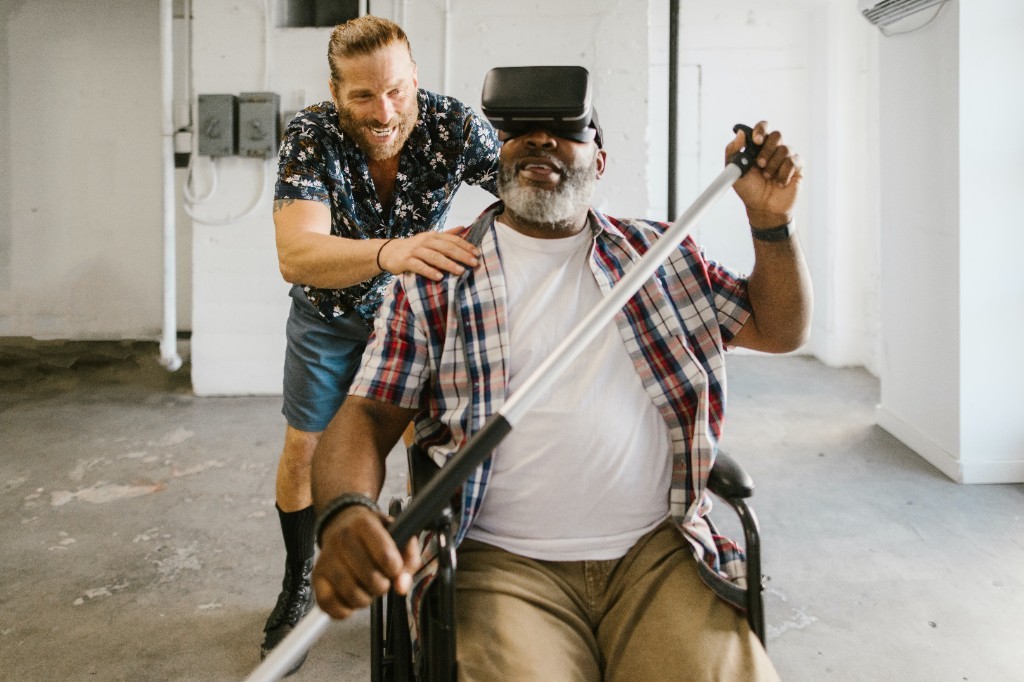

In recent years, there has been a significant advancement in the field of Artificial Intelligence (AI) and Augmented Reality (AR). These technologies have become increasingly popular and have the potential to enhance virtual experiences in various fields such as gaming, education, healthcare, and...
A Neural Network Helps Emergency Dispatchers Prioritize Incoming Calls
31
05.10.2026
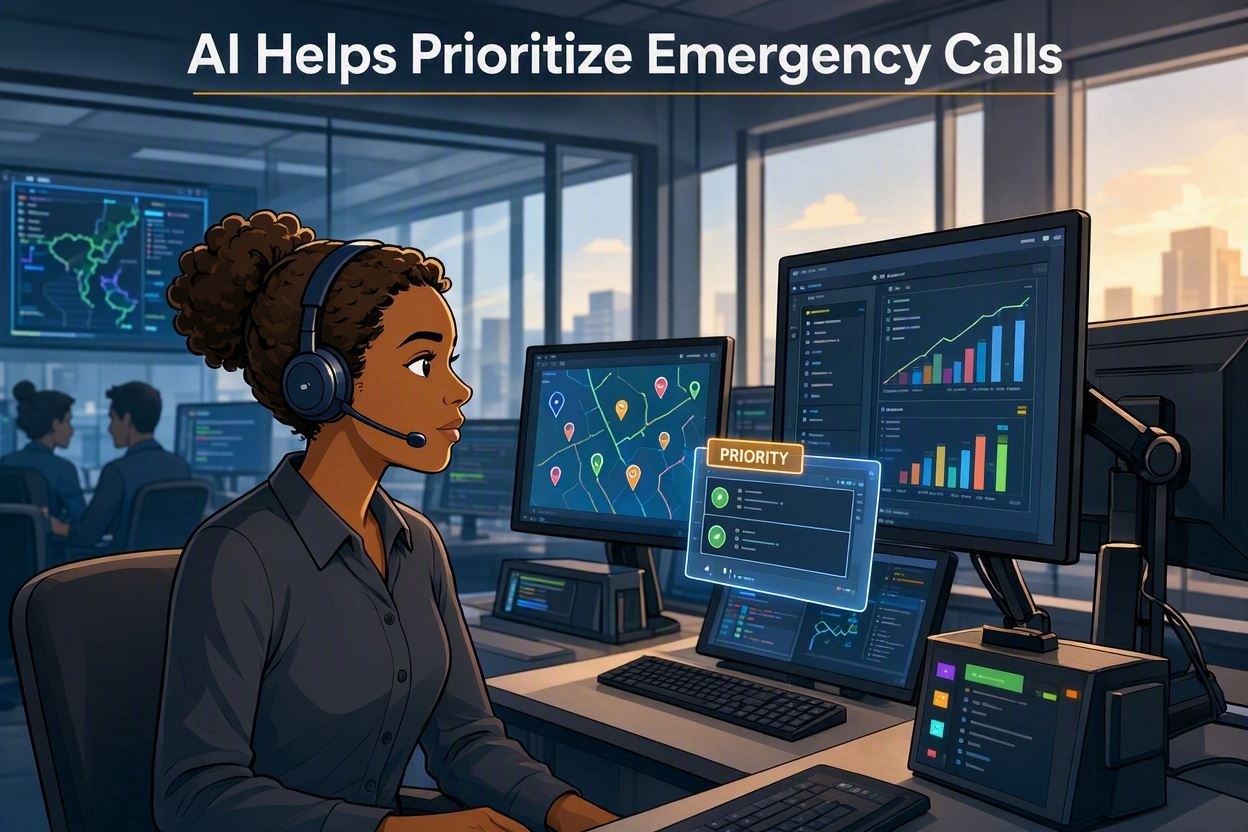
Emergency dispatch centers operate under constant pressure. Every call may involve a heart attack, a fire, a violent incident, a traffic crash, or a caller who cannot clearly explain what is happening. In such conditions, seconds matter. A neural network can support dispatchers by analyzing incoming information in real time and helping identify which calls require the fastest response.
This technology is not designed to replace trained professionals. Instead, it acts as an intelligent decision-support tool. By detecting patterns in speech, keywords, background sounds, caller behavior, and historical incident data, the system can highlight high-risk situations that might otherwise be difficult to assess immediately.
Why Call Prioritization Is So Difficult
Emergency dispatchers must make rapid decisions with limited and often imperfect information. Callers may be panicked, injured, confused, intoxicated, or unable to speak. In some cases, children or bystanders provide incomplete details. In others, background noise makes it difficult to understand the situation.
Human Expertise Under Pressure
Dispatchers are trained to ask precise questions, follow protocols, and remain calm. However, the workload can be intense, especially during storms, large public events, accidents, or health crises. When call volume rises sharply, prioritizing resources becomes even more challenging.
A neural network can help by processing multiple signals at the same time. It may flag phrases such as “not breathing,” “chest pain,” “gunshot,” or “smoke in the building.” It can also detect emotional distress, long pauses, or sounds that suggest violence, fire, or a collision.
How a Neural Network Supports Dispatch Decisions
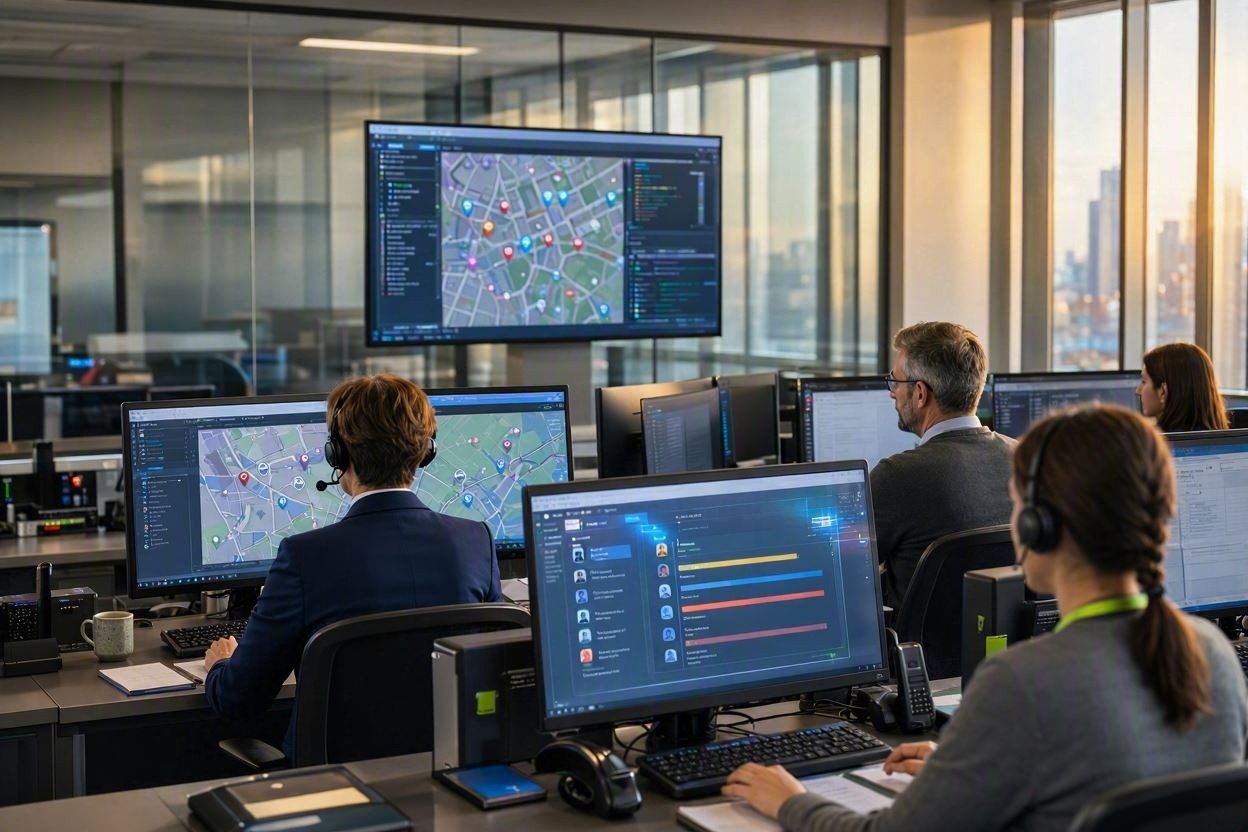
The system typically works alongside existing computer-aided dispatch platforms. As a call comes in, the neural network analyzes audio and available data, then generates a risk score or priority recommendation. The dispatcher sees this recommendation but remains responsible for the final decision.
Key Data Signals the System Can Analyze
- Spoken words and phrases that indicate life-threatening conditions
- Tone of voice, stress level, and speech patterns
- Background sounds such as alarms, crashes, shouting, or coughing
- Caller location and previous incident history in the area
- Time of day, weather conditions, and current resource availability
By combining these signals, the neural network can identify urgency more consistently than keyword matching alone. For example, a caller may never say “heart attack,” but the system may recognize related symptoms such as chest pressure, shortness of breath, sweating, and sudden collapse.
Benefits for Emergency Services
When implemented correctly, AI-assisted prioritization can improve both speed and accuracy. It helps dispatchers focus attention on the most critical calls and reduces the risk that a severe case is underestimated during a busy shift.
Faster Recognition of Critical Incidents
Some emergencies are obvious from the first sentence. Others become clear only after careful questioning. A neural network can surface risk indicators early, prompting the dispatcher to ask targeted follow-up questions or send advanced medical support sooner.
Better Use of Limited Resources
Ambulances, fire units, and police teams are finite resources. Sending the right response to the right place is essential. AI can help rank incoming calls so that life-threatening incidents receive attention first while lower-acuity cases are still handled appropriately.
Risks, Limits, and Ethical Concerns
Despite its promise, neural network technology must be used carefully. Emergency calls involve sensitive personal data, and any system that influences response decisions must be transparent, secure, and rigorously tested.
Bias and Accuracy
AI models learn from historical data. If that data contains bias, gaps, or inconsistent outcomes, the model may reproduce those problems. Accents, dialects, language barriers, speech impairments, or poor audio quality can also affect performance. Regular auditing is essential to ensure fair and reliable recommendations.
Human Oversight Remains Essential
The final decision must remain with trained dispatchers. A neural network can recommend, warn, or highlight patterns, but it cannot fully understand context the way a human can. The safest approach is to treat AI as a second set of eyes, not an automatic authority.
Best Practices for Implementation
- Train the model on diverse, high-quality emergency call data.
- Test performance across languages, accents, and noisy environments.
- Provide dispatchers with clear explanations for AI recommendations.
- Protect caller privacy through strong data governance.
- Monitor outcomes continuously and update the model when needed.
Training is also critical. Dispatchers should understand what the system can do, where it may fail, and how to challenge its recommendations. Trust grows when technology is predictable, explainable, and clearly aligned with operational protocols.
The Future of AI in Emergency Response
Neural networks are likely to become a standard part of modern emergency communication centers. Future systems may integrate live translation, video analysis, medical triage support, and predictive resource planning. Used responsibly, these tools can shorten response times and improve outcomes for people in crisis.
The goal is not to remove human judgment from emergency services. The goal is to strengthen it. When dispatchers receive timely, accurate support from well-designed AI, they can make faster decisions, reduce cognitive overload, and help ensure that the most urgent calls are never missed.