
In recent years, there has been a significant advancement in the field of Artificial Intelligence (AI) and Augmented Reality (AR). These technologies have become increasingly popular and have the potential to enhance virtual experiences in various fields such as gaming, education, healthcare, and...
A Neural Network Helps Translators Preserve the Author's Original Style
61
03.11.2026
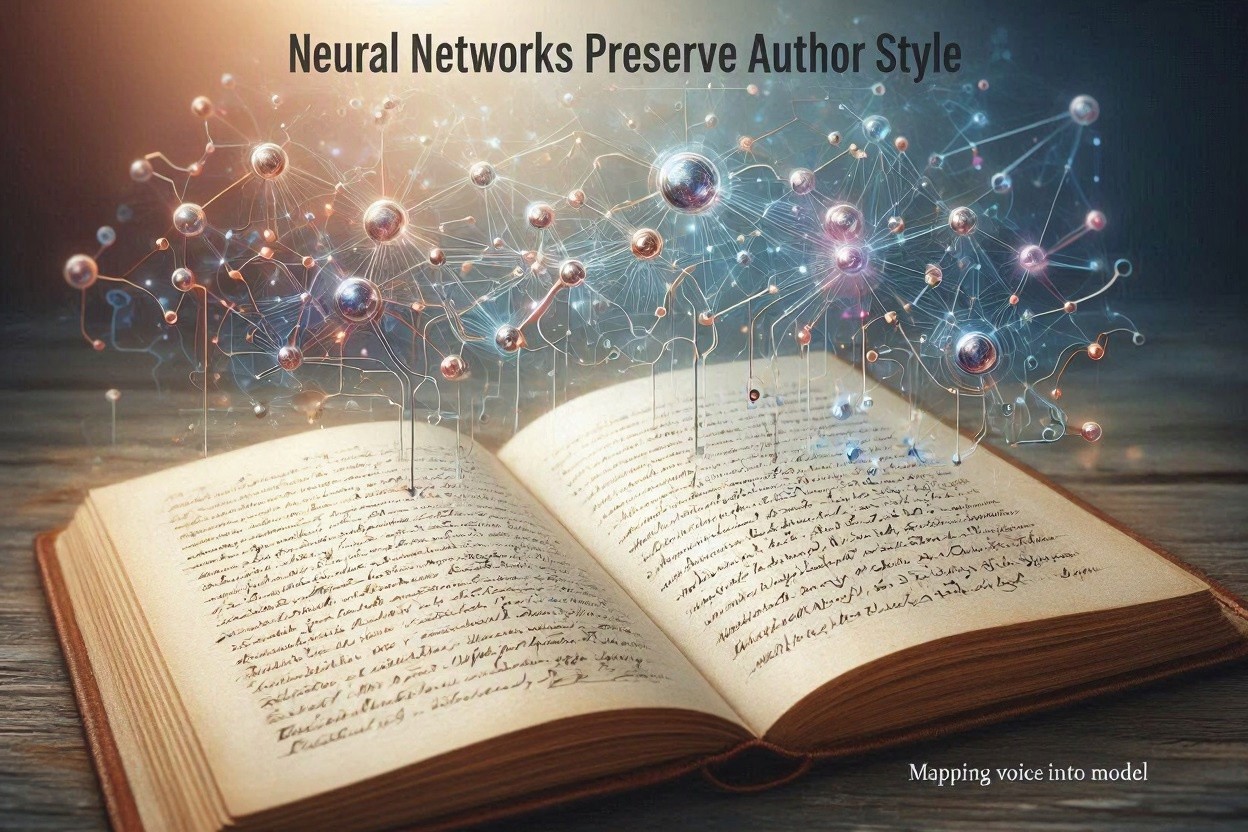
Translation has never been only about replacing words in one language with words in another. A skilled translator must carry meaning, rhythm, cultural nuance, emotional pressure, and the author's recognizable voice across linguistic borders. This is especially difficult when working with literature, essays, speeches, memoirs, branded content, or any text where style is as important as information. Modern neural networks are becoming valuable assistants in this demanding process, not because they replace human translators, but because they help them see and preserve stylistic patterns more accurately.
Why Style Is Hard to Translate
An author's style is built from many small decisions: sentence length, punctuation habits, preferred metaphors, irony, formality, repetition, and even silence. Two writers can describe the same event in completely different ways. One may use short, sharp sentences to create tension. Another may rely on long, flowing phrases to build atmosphere. If a translation transfers only the literal message, the result may be correct but lifeless.
Meaning Is Not Enough
For example, a minimalist novelist may intentionally avoid decorative language. A conventional machine translation system might “improve” such writing by choosing smoother or more elaborate phrasing. In doing so, it damages the artistic effect. Similarly, a sarcastic essay can become strangely polite if the translator misses tonal cues. Preserving style means recognizing what should not be normalized.
How Neural Networks Analyze Authorial Voice
Neural language models can process large bodies of text and detect recurring stylistic features. When trained or guided with samples from a specific author, a neural network can identify patterns that are easy to overlook during manual work. These patterns may include preferred sentence structures, vocabulary ranges, dialogue rhythm, emotional intensity, and the balance between abstract and concrete language.
From Word Choice to Rhythm
Advanced systems do more than suggest dictionary equivalents. They compare context, tone, and probability. If an author repeatedly uses plain verbs instead of ornate ones, the system can flag translation choices that sound too formal. If the original text relies on repetition for emphasis, the tool can warn against unnecessary variation. This helps translators maintain consistency without flattening the text.
Contextual Memory Matters
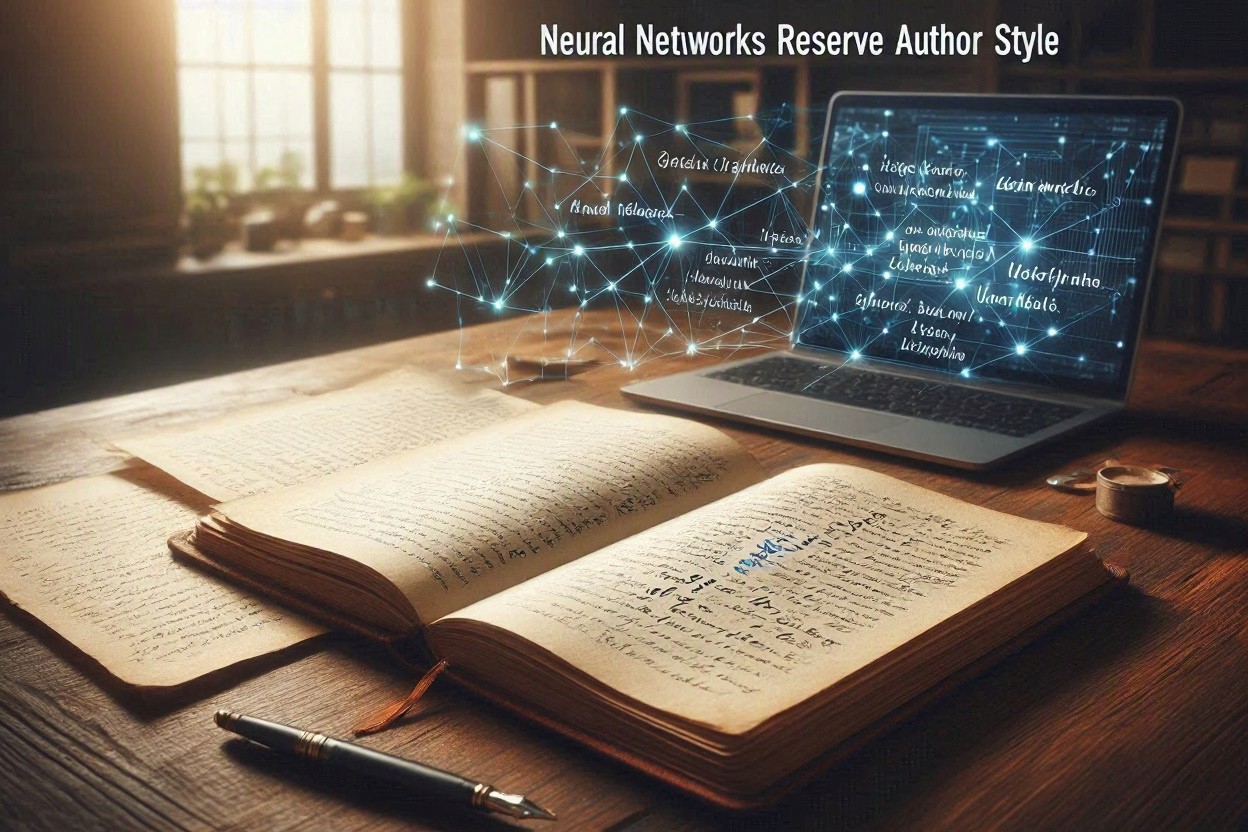
Neural networks can also support long-form translation by remembering stylistic decisions across chapters or documents. A human translator may create a glossary for names, terms, and recurring expressions. A neural assistant can extend this idea to tone and phrasing. It can notice whether a character speaks in clipped phrases, whether a narrator uses archaic constructions, or whether a brand voice is warm, technical, playful, or restrained.
Practical Benefits for Translators
Used correctly, neural networks make the translation workflow more precise and efficient. They reduce repetitive checking, reveal inconsistencies, and offer alternative phrasings that match the source style. This is particularly useful when several translators work on one project and must produce a unified voice.
- They help identify stylistic markers in the source text.
- They suggest translations aligned with tone and register.
- They detect unwanted shifts in formality, rhythm, or emphasis.
- They support consistency in dialogue, terminology, and narrative voice.
- They speed up revision without removing human judgment.
The Human Translator Remains Essential
A neural network can recognize patterns, but it does not truly understand artistic intention, historical background, or moral ambiguity in the way a human expert can. Style is often linked to culture, biography, genre, and audience expectation. A literal stylistic match may not always work in the target language. The translator must decide when to preserve structure, when to adapt it, and when to recreate an effect by different means.
Editing the Machine's Suggestions
The best results appear when translators treat neural output as a set of informed proposals rather than final answers. A suggested sentence may be accurate but too smooth. Another may capture tone but miss a cultural reference. Professional translators evaluate each option, test it against the whole text, and choose the version that sounds natural while remaining loyal to the author.
Risks and Ethical Considerations
There are also risks. If a neural network is trained on unsuitable data, it may introduce clichés, bias, or generic phrasing. Sensitive literary works can lose individuality if translators accept automated suggestions too quickly. Copyright and data privacy must also be considered, especially when unpublished manuscripts are processed through external tools.
Responsible use requires transparency, secure platforms, and clear editorial standards. Publishers, agencies, and independent translators should define how neural tools are used, who reviews the output, and how the final quality is measured.
A New Partnership in Literary and Professional Translation
Neural networks are changing translation by making style more visible and measurable. They help translators compare tone, track rhythm, and maintain coherence across complex projects. However, the art of translation still depends on human sensitivity: the ability to hear a voice behind the words and rebuild it in another language.
The strongest future is not machine translation without people, but augmented translation guided by expert linguists. When neural technology supports rather than overrides human interpretation, it becomes a powerful tool for preserving the author's original style with greater accuracy, consistency, and respect.