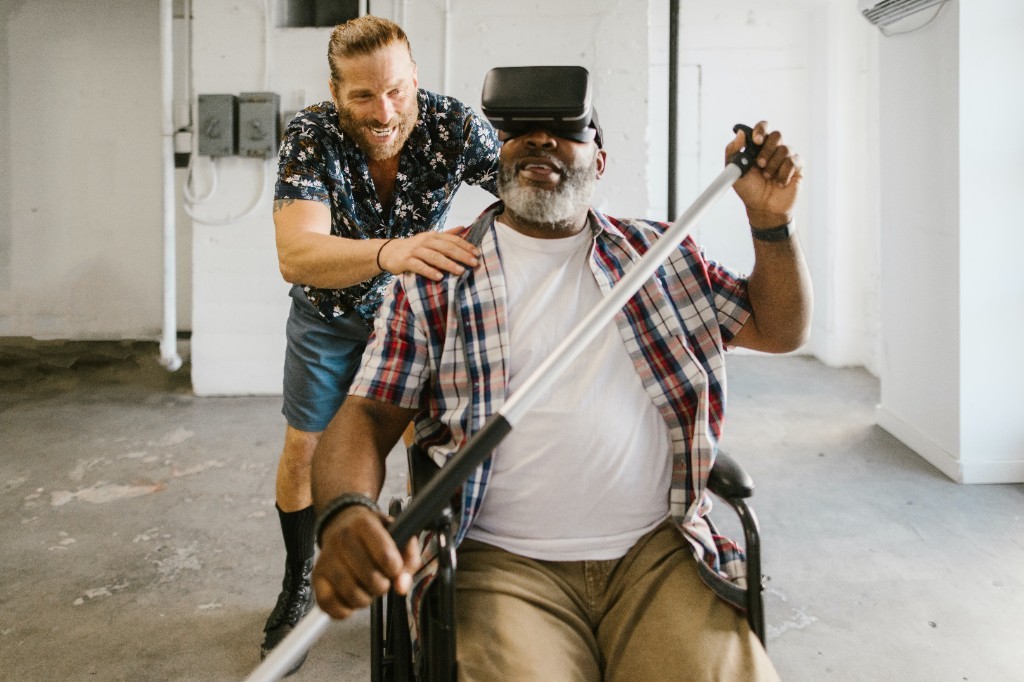
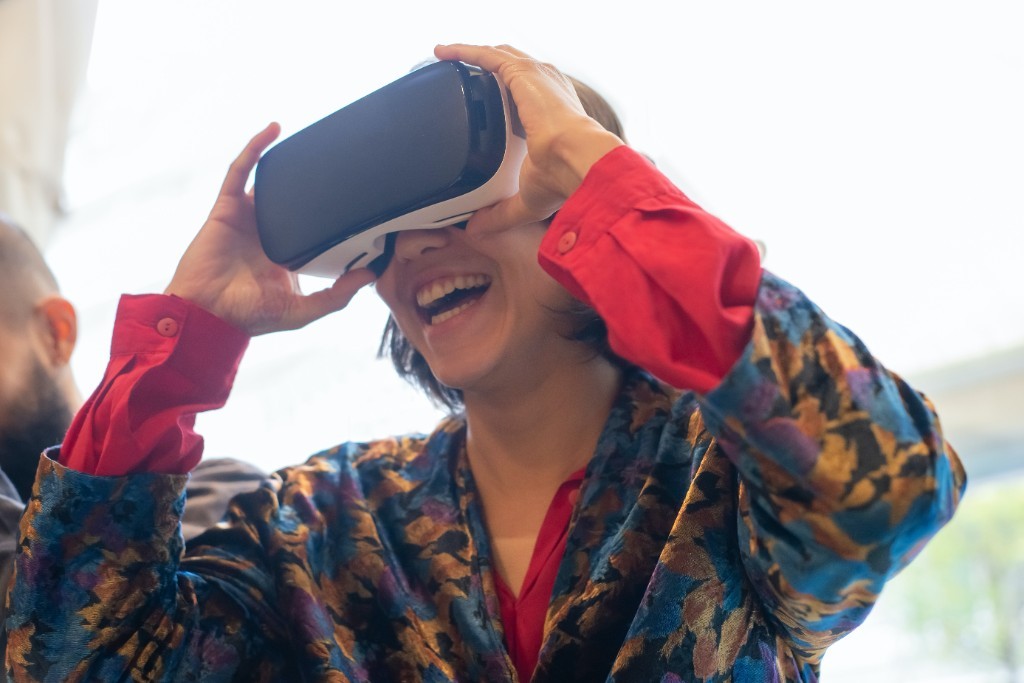
In recent years, there has been a significant advancement in the field of Artificial Intelligence (AI) and Augmented Reality (AR). These technologies have become increasingly popular and have the potential to enhance virtual experiences in various fields such as gaming, education, healthcare, and...
A Program Creates a 3D Apartment Tour from Just Ten Photos
152
12.07.2026
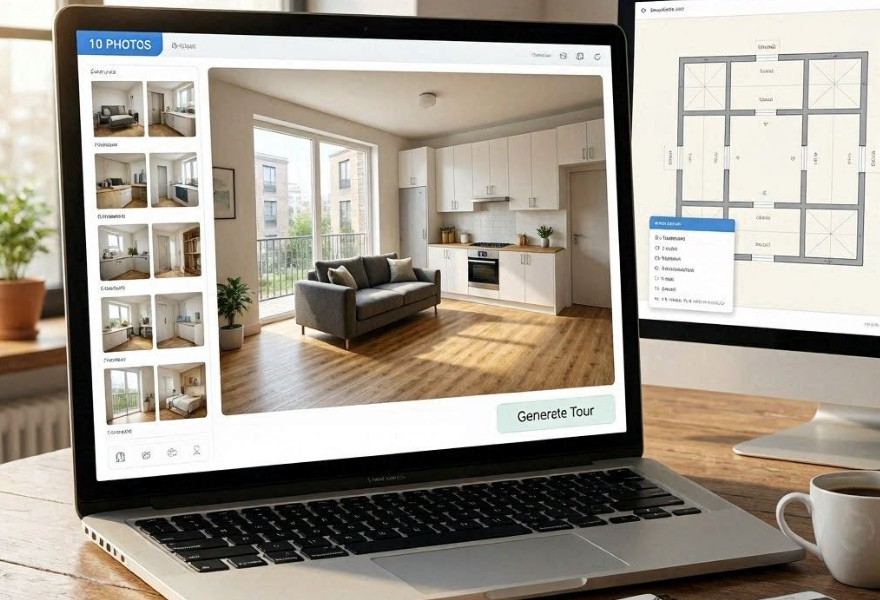
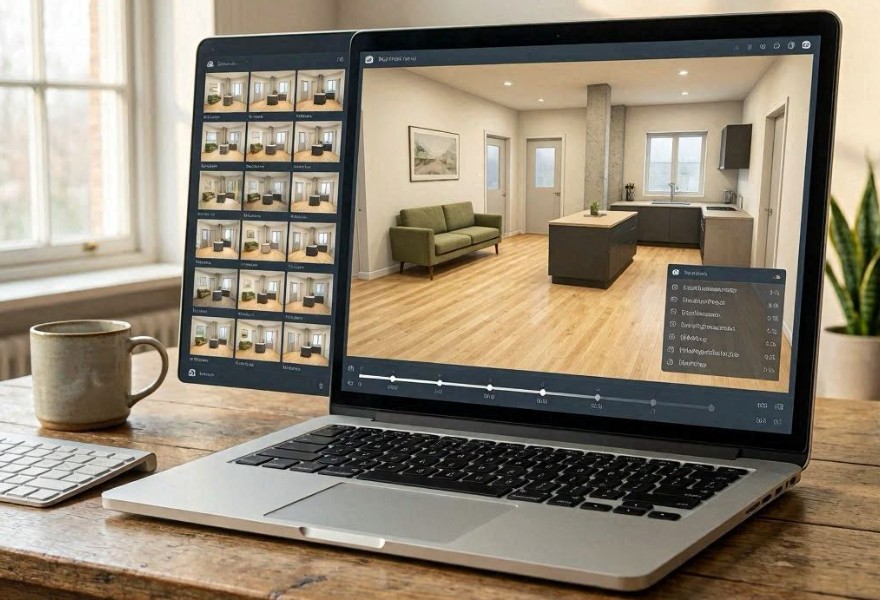
For decades, the real estate industry relied on the "flat" experience: two-dimensional photographs that often failed to convey the actual flow, scale, or lighting of a potential new home. Searching for an apartment was a process of managing disappointment, as carefully curated camera angles frequently masked the reality of a space. Today, that experience is being upended by a remarkable advancement in computer vision and generative AI. New software is now capable of taking as few as ten standard photographs of an apartment and synthesizing them into a fully immersive, interactive 3D tour.
This technology is more than just a novelty; it is a profound shift in how we perceive architecture and interiors from a distance. By combining photogrammetry with deep learning, these programs fill in the "blind spots" of traditional photography, creating a digital twin of an apartment that users can walk through in virtual reality or on a standard web browser.
The Magic Behind the Reconstruction
Recreating a 3D space from a limited set of 2D images is a classic "inverse" problem in computer science. The algorithm must infer depth, volume, and texture from surfaces that were only captured from a few specific angles. This process relies on several sophisticated technical pillars.
Structure from Motion (SfM) and Depth Estimation
When the program receives the ten photos, it first performs a feature analysis, identifying common points—such as the corner of a room, a door handle, or a light switch—across multiple images. By calculating the parallax shift of these points, the software can determine the camera's position for every shot. Once the camera poses are known, the AI employs a monocular depth estimation network. This model has been trained on millions of interior images to "guess" how far away walls, ceilings, and furniture are, effectively building a 3D wireframe from the sparse data provided.
Filling the Gaps with Generative AI
The biggest challenge in this process is "occlusion"—the areas of the apartment that were not visible in any of the ten photos, such as the back of a sofa or the floor behind a kitchen island. If the program only used pure photogrammetry, these areas would appear as empty voids or distorted smears.
Neural Radiance Fields (NeRF)
To solve this, the modern software uses a technique known as Neural Radiance Fields, or NeRF. The AI treats the apartment as a continuous volume of light and density. It synthesizes new, never-seen viewpoints by predicting how the light should look from angles not captured in the original photographs. Essentially, the program is "hallucinating" the missing parts of the room based on its extensive training in interior design and architectural geometry, resulting in a seamless, coherent 3D experience.
The Benefits of Immersive Leasing
The impact of this technology on the real estate market is immediate and transformative, offering benefits that traditional photography simply cannot match.
- Remote Accessibility: Prospective tenants can explore an apartment in high-fidelity 3D without leaving their current homes, which is vital for international relocations or busy professionals.
- Enhanced Transparency: Because the AI reconstructs the spatial relationship between rooms, renters get a realistic sense of scale, preventing the "it looked bigger in the photos" syndrome.
- Cost Efficiency: Landlords and property managers no longer need expensive professional videography or specialized 3D laser-scanning hardware to market their listings effectively.
The Future of Virtual Property Management
As this software becomes more powerful, it will integrate further with other property tools. Future iterations will allow users to "virtually stage" an apartment by dragging and dropping furniture into the 3D model, seeing how their own belongings would fit before they ever sign a lease. Furthermore, these 3D models can serve as digital maintenance records, allowing landlords to track renovations or damage over time in a 3D environment.
Conclusion
The ability to turn just ten photographs into an interactive 3D tour is a testament to how far we have come in computational photography. What was once the domain of high-end, expensive equipment is now becoming an everyday tool for any smartphone user. By turning static images into navigable, 3D spaces, we are making the search for a home more transparent, efficient, and human-centric. As we move forward, the "virtual tour" will cease to be an optional luxury and become the standard way we discover and inhabit the spaces of our future.