

In recent years, there has been a significant advancement in the field of Artificial Intelligence (AI) and Augmented Reality (AR). These technologies have become increasingly popular and have the potential to enhance virtual experiences in various fields such as gaming, education, healthcare, and...
A Program Creates Personalized Bedtime Stories for Children Based on Their Fears
183
26.05.2026
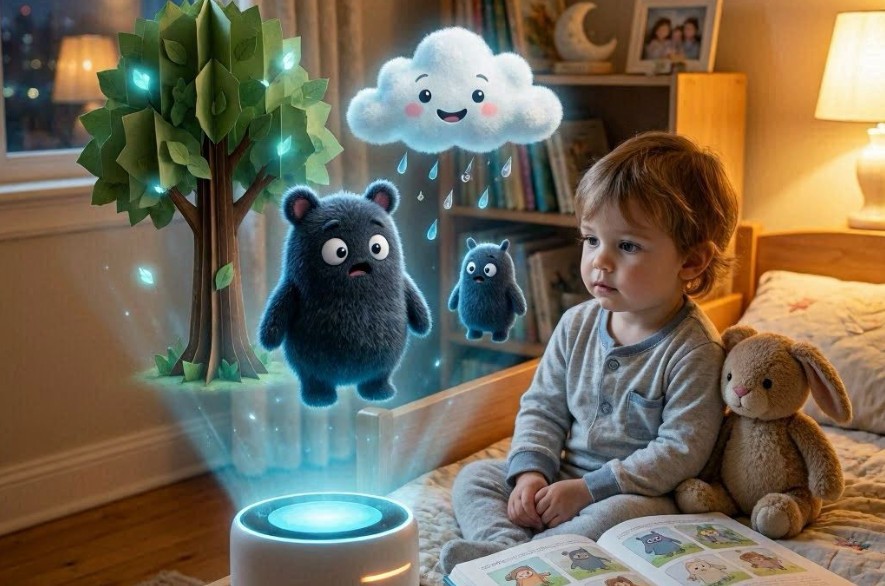
Why children’s fears are often addressed through storytelling
Fear is a normal part of childhood development. Common fears include darkness, separation from parents, loud sounds, or imaginary creatures. These fears can be persistent and affect sleep quality and emotional well-being.
Storytelling has long been used as a psychological tool to help children process emotions in a safe and structured way.
By embedding fears into narratives where they are understood, reframed, and resolved, stories can reduce anxiety and build emotional resilience.
How the program gathers emotional input
The system begins by identifying a child’s specific fears through interactive prompts, parent input, or guided questionnaires. It avoids direct confrontation and instead uses gentle, age-appropriate language.
The goal is to translate emotional concerns into narrative elements without reinforcing anxiety.
Types of input data used
- Parent-reported fears and behaviors
- Child’s selected story preferences
- Emotional reaction tracking during storytelling
- Sleep and bedtime patterns (if available)
How AI generates personalized bedtime stories
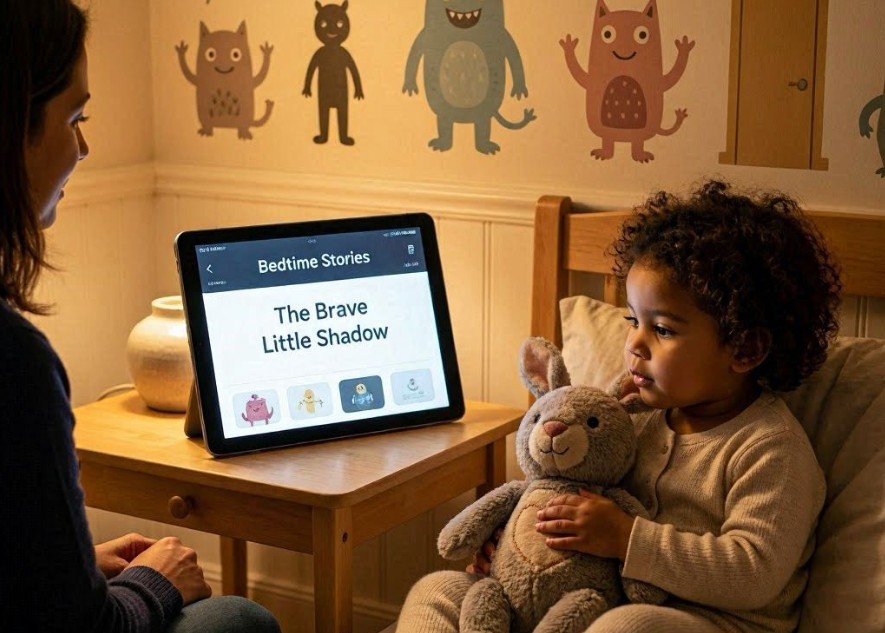
The system uses generative language models to create unique stories where the child becomes the central character. These stories are structured to gradually transform fear-inducing elements into safe or positive outcomes.
Instead of eliminating fear completely, the narrative often reframes it, giving the child a sense of control and understanding.
Story generation process
- Identification of fear-related themes
- Creation of a child-centered protagonist
- Integration of symbolic representations of fear
- Design of a safe resolution arc
- Adjustment of tone and complexity by age
Role of psychological principles in story design
The program is influenced by concepts from cognitive behavioral therapy and narrative therapy. These approaches emphasize restructuring thought patterns through guided storytelling and gradual exposure in a non-threatening context.
By presenting fears as manageable challenges within a story, children can develop coping strategies indirectly.
Key therapeutic mechanisms
- Gradual exposure to fear in symbolic form
- Reinforcement of safety and protection themes
- Positive emotional resolution
- Empowerment of the child character
How personalization improves effectiveness
Personalization ensures that stories resonate with the child’s specific emotional world. A fear of darkness might be transformed into a story about a friendly night guardian, while fear of monsters might become a misunderstood creature seeking help.
The more closely the story reflects the child’s experiences, the stronger the emotional engagement and potential calming effect.
Benefits of AI-generated bedtime stories
Main advantages
- Reduction of bedtime anxiety
- Improved sleep routines
- Gentle emotional processing of fears
- Engaging and interactive storytelling experience
Limitations of the approach
While helpful, the program is not a substitute for professional psychological care in cases of severe anxiety or trauma. Some fears may require structured therapeutic intervention beyond storytelling.
Additionally, over-personalization must be carefully managed to avoid reinforcing specific anxieties unintentionally.
Future of emotional AI storytelling
Future systems may integrate voice interaction, adaptive narration, and real-time emotional feedback to create fully immersive therapeutic storytelling environments for children.
Conclusion
AI-powered personalized bedtime stories represent a new intersection of technology and child psychology, using narrative as a gentle tool to help children understand and overcome their fears.