
In recent years, there has been a significant advancement in the field of Artificial Intelligence (AI) and Augmented Reality (AR). These technologies have become increasingly popular and have the potential to enhance virtual experiences in various fields such as gaming, education, healthcare, and...
A Program Detects Signs of Fraud in Insurance Claims
77
01.11.2026
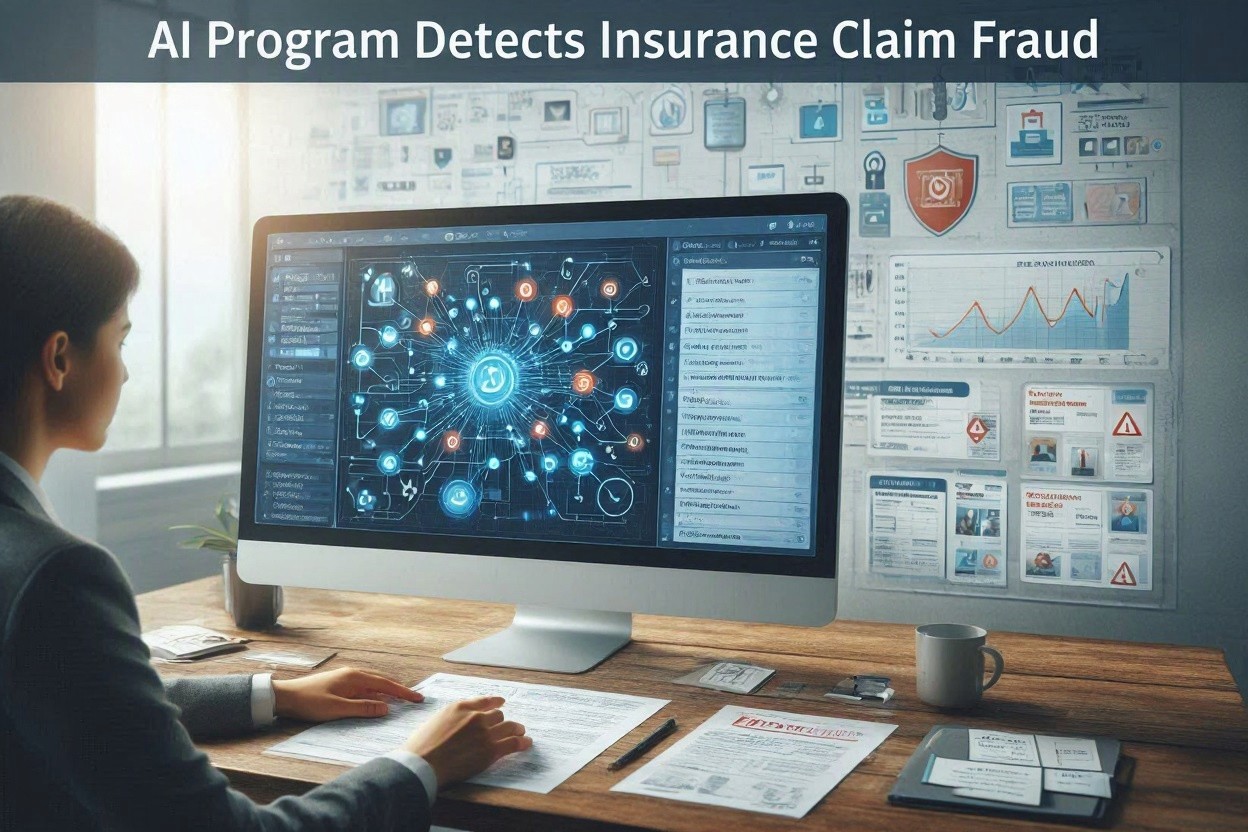
Insurance fraud is not always obvious. A staged accident, exaggerated medical treatment, altered repair invoice, or repeated claim pattern can look legitimate when reviewed in isolation. Modern fraud detection programs help insurers connect scattered details and identify claims that deserve closer investigation. These systems do not replace human adjusters; they give them sharper evidence, faster context, and a better way to prioritize risk.
How Fraud Detection Software Works
A fraud detection program analyzes claim data, policy history, customer behavior, third-party records, and external signals. It compares each new claim with thousands or millions of previous cases, looking for unusual combinations. The software may review the timing of the claim, the amount requested, the location, the parties involved, repair estimates, medical codes, and communication patterns. When the system detects a suspicious signal, it assigns a risk score or creates an alert for review.
Pattern Recognition
Many fraudulent claims share hidden patterns. For example, several claims may involve the same repair shop, attorney, medical provider, phone number, or accident location. A person may file claims shortly after buying a policy, or multiple policyholders may report similar damage after unrelated events. Pattern recognition helps expose links that would be difficult to spot manually.
Anomaly Detection
Anomaly detection focuses on claims that differ from normal behavior. A claim may be unusually expensive for a specific vehicle model, injury type, or geographic region. A homeowner may report damage inconsistent with weather data. A medical bill may include services rarely associated with the reported injury. These anomalies do not prove fraud, but they indicate where investigation should begin.
Key Indicators the Program May Flag
The most effective systems combine multiple indicators instead of relying on one red flag. This reduces false accusations and improves the quality of investigations.
- Claims filed very soon after a new policy is purchased or coverage is increased.
- Repeated claims involving the same individuals, addresses, providers, or witnesses.
- Repair invoices, medical bills, or receipts that appear inflated or inconsistent.
- Damage descriptions that do not match photos, weather reports, police records, or telematics data.
- Unusual communication behavior, such as changing statements or avoiding documentation requests.
- Claim amounts just below approval thresholds that normally require deeper review.

Benefits for Insurers and Policyholders
Fraud increases claim costs, operational workload, and premiums for honest customers. A well-designed detection program helps insurers control these losses without slowing down every claim. Low-risk claims can be processed quickly, while high-risk claims receive expert attention. This improves customer experience because legitimate policyholders are not forced through unnecessary delays caused by broad, manual checks.
- Faster triage: The system ranks claims by risk, allowing investigation teams to focus on the most suspicious cases first.
- Lower leakage: Suspicious payments can be stopped before money is released, reducing financial loss.
- Consistent decisions: Data-driven scoring reduces random variation between adjusters and offices.
- Better compliance: Clear audit trails help insurers show why a claim was escalated or cleared.
Human Review Remains Essential
No program should automatically label a claimant as fraudulent. A risk score is a signal, not a verdict. Experienced investigators must review documents, interview involved parties, verify evidence, and follow legal standards. This human oversight protects customers from unfair treatment and ensures that the insurer uses technology responsibly.
Data Quality and Privacy
The accuracy of fraud detection depends on the quality of data used to train and operate the system. Incomplete, outdated, or biased data can create misleading results. Insurers should regularly test models, monitor false positives, and update rules as fraud schemes evolve. They must also protect sensitive customer information and follow privacy laws when using medical, financial, location, or behavioral data.
Building Trust in the System
Transparency is important, especially when a claim is delayed for review. Insurers should be able to explain the reason for additional checks in clear language without revealing methods that criminals could exploit. Internal teams also need training so they understand what the program can and cannot do.
The Future of Claim Fraud Detection
Fraud detection programs are becoming more advanced as insurers use artificial intelligence, image analysis, natural language processing, and real-time data sources. Future systems will likely identify suspicious claims earlier, improve the accuracy of risk scoring, and help investigators uncover organized fraud networks. The best results will come from combining technology with professional judgment, ethical data use, and a strong commitment to fair claim handling.