
In recent years, there has been a significant advancement in the field of Artificial Intelligence (AI) and Augmented Reality (AR). These technologies have become increasingly popular and have the potential to enhance virtual experiences in various fields such as gaming, education, healthcare, and...
A Program Helps Teachers Identify Struggling Students Before Exams
2
30.10.2026
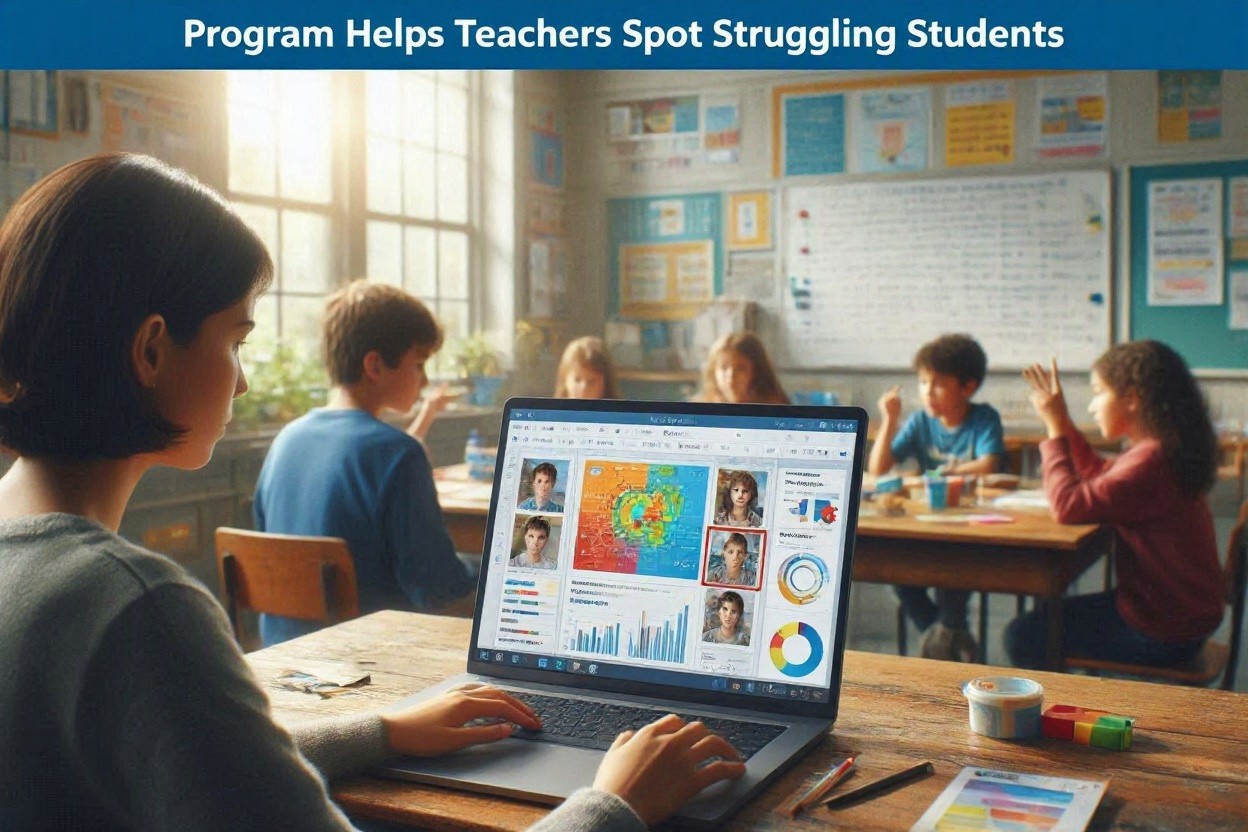
Exams often reveal learning gaps too late. By the time results arrive, students may have already lost confidence, missed key concepts, or developed habits that are difficult to change. An early-warning program can help teachers detect academic risk before exam week, giving schools a practical way to intervene while there is still time to improve outcomes.
These programs combine classroom data, attendance patterns, assignment performance, and teacher observations to flag students who may need additional support. The goal is not to label students, but to make timely help more accurate, consistent, and fair.
How the Program Works
An effective student-support program gathers information from multiple sources rather than relying on one test score. A student who performs poorly on a single quiz may simply have had a difficult day. However, a pattern of missed homework, declining participation, low formative assessment scores, and frequent absences can signal a deeper problem.
Key Data Points Teachers Can Track
- Recent quiz and assignment scores
- Homework completion rates
- Attendance and punctuality records
- Class participation and engagement
- Changes in behavior, confidence, or motivation
- Performance on practice exam questions
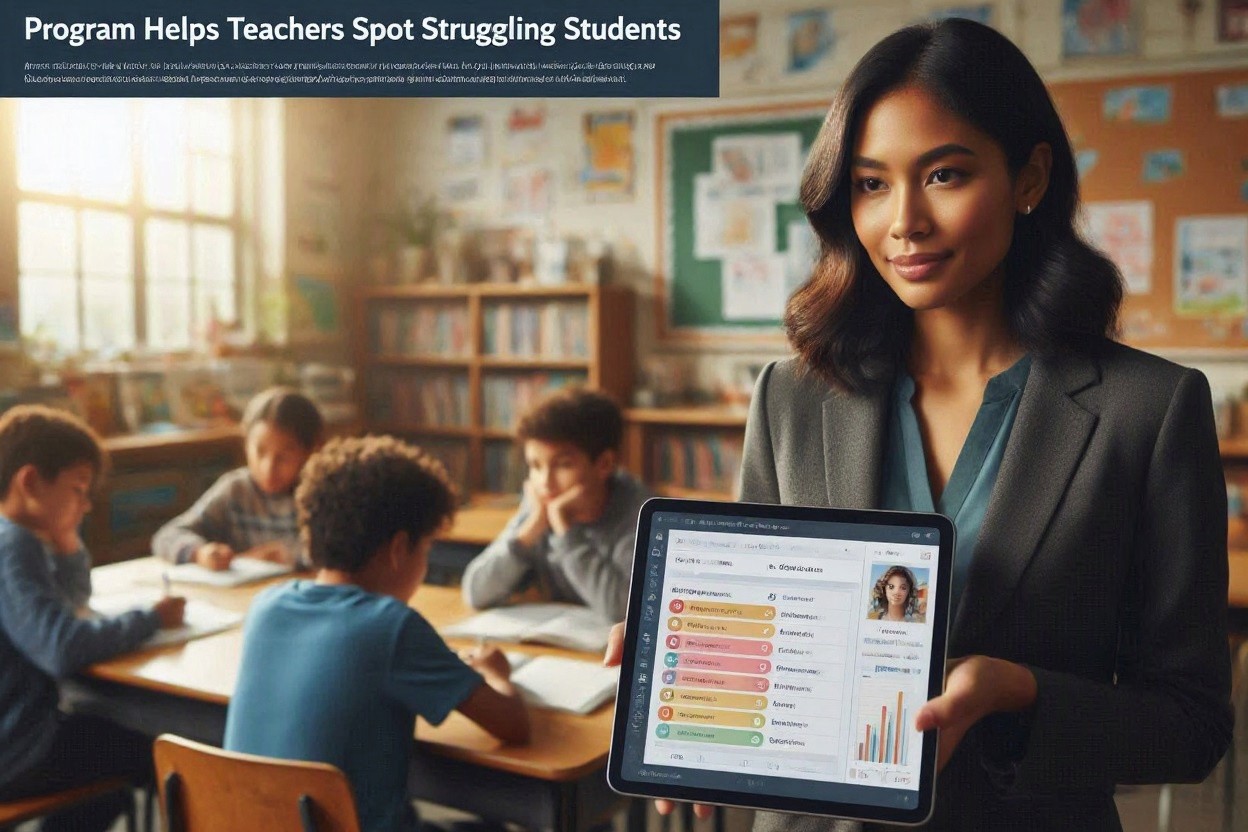
The program analyzes these indicators and presents teachers with a clear overview of who may be at risk. Instead of searching through gradebooks manually, educators can focus their attention on students who show early signs of struggle.
Why Early Identification Matters
Students rarely fall behind overnight. Academic difficulty usually develops gradually, especially in subjects that build on previous knowledge, such as mathematics, science, and languages. If a student misses a foundational concept, later lessons become harder to understand. Without early support, frustration can turn into avoidance.
Identifying struggling students before exams allows teachers to respond with short, targeted actions. A brief review session, a revised study plan, or a conversation with the student can prevent a small gap from becoming a major barrier.
Benefits for Students
For students, early support reduces exam anxiety and improves confidence. When they understand exactly what they need to work on, revision becomes more manageable. Instead of being told to “study harder,” they receive specific guidance, such as reviewing fractions, practicing thesis statements, or improving vocabulary recall.
Benefits for Teachers
For teachers, the program saves time and improves decision-making. It helps prioritize support, plan small-group instruction, and communicate with families using evidence rather than vague concerns. Teachers can also evaluate whether interventions are working before final assessments take place.
Turning Data Into Action
Data alone does not help students unless teachers use it thoughtfully. The most successful programs include a clear intervention process. Once a student is flagged, the teacher should decide what support is needed, when it will happen, and how progress will be measured.
A Practical Intervention Process
- Review the student’s recent performance and identify the main learning gap.
- Speak with the student to understand barriers, such as confusion, stress, or poor study habits.
- Choose a targeted intervention, such as tutoring, practice tasks, peer support, or feedback sessions.
- Set a short-term goal before the exam.
- Check progress after one or two weeks and adjust the support if needed.
This process keeps support focused and realistic. It also helps students take ownership of improvement because they can see a direct connection between effort, feedback, and progress.
Protecting Fairness and Student Trust
Any program that uses student data must be implemented responsibly. Teachers and school leaders should avoid using early-warning indicators as fixed judgments. A flag should be treated as a prompt for investigation, not a conclusion about ability.
Transparency is also important. Students should know that the purpose of the program is to provide support, not punishment. Families should understand what information is being used and how it helps teachers make better instructional decisions.
Best Practices for Ethical Use
- Use multiple indicators rather than one score.
- Review flagged students with professional judgment.
- Keep student information confidential.
- Focus on support, not blame.
- Monitor whether interventions benefit all student groups fairly.
What Schools Need for Success
A strong program requires more than software. Teachers need time to review insights, collaborate with colleagues, and plan interventions. School leaders should provide training so educators understand how to interpret data and respond effectively.
The program should also fit naturally into existing routines. If it is too complicated, teachers may not use it consistently. Simple dashboards, clear alerts, and practical recommendations make the tool more valuable in busy school environments.
Conclusion
A program that helps teachers identify struggling students before exams can transform support from reactive to proactive. When used carefully, it gives educators a clearer picture of student needs and allows them to act before failure becomes visible in final results. The real value lies not in prediction alone, but in timely human response: listening to students, addressing specific gaps, and helping every learner approach exams with greater confidence.