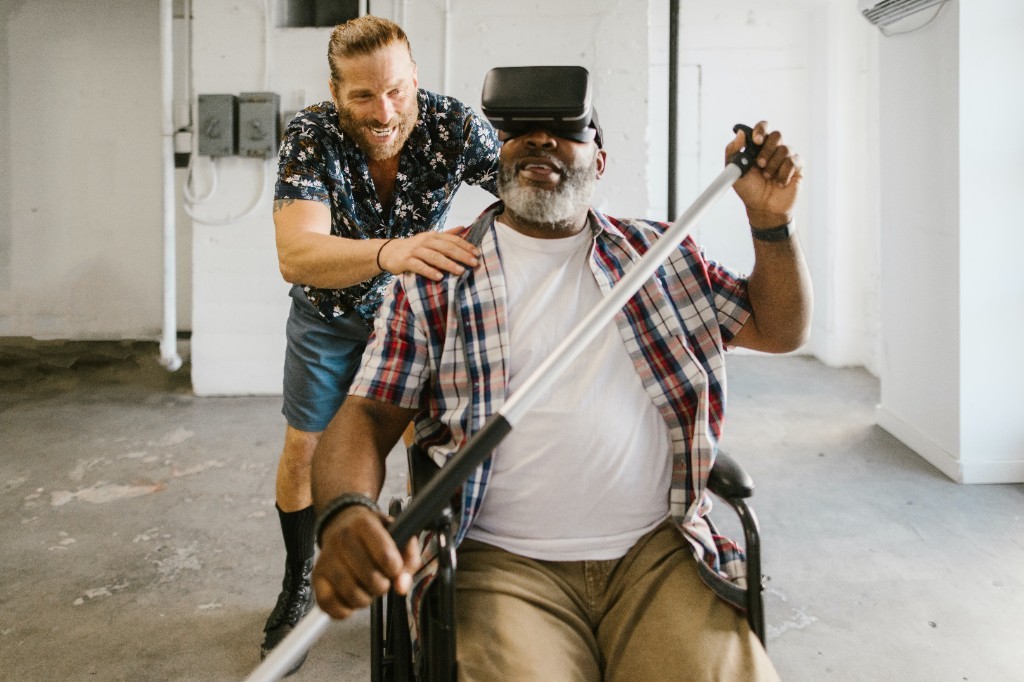
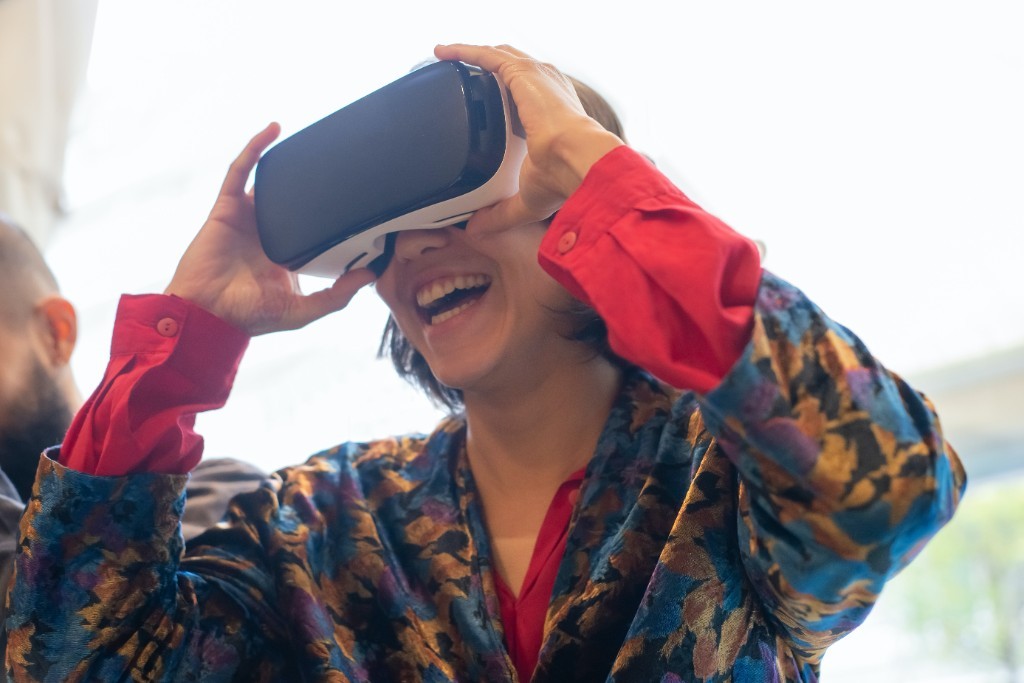
In recent years, there has been a significant advancement in the field of Artificial Intelligence (AI) and Augmented Reality (AR). These technologies have become increasingly popular and have the potential to enhance virtual experiences in various fields such as gaming, education, healthcare, and...
A Program Teaches Schoolchildren to Solve Problems Through Video Games
213
03.05.2026
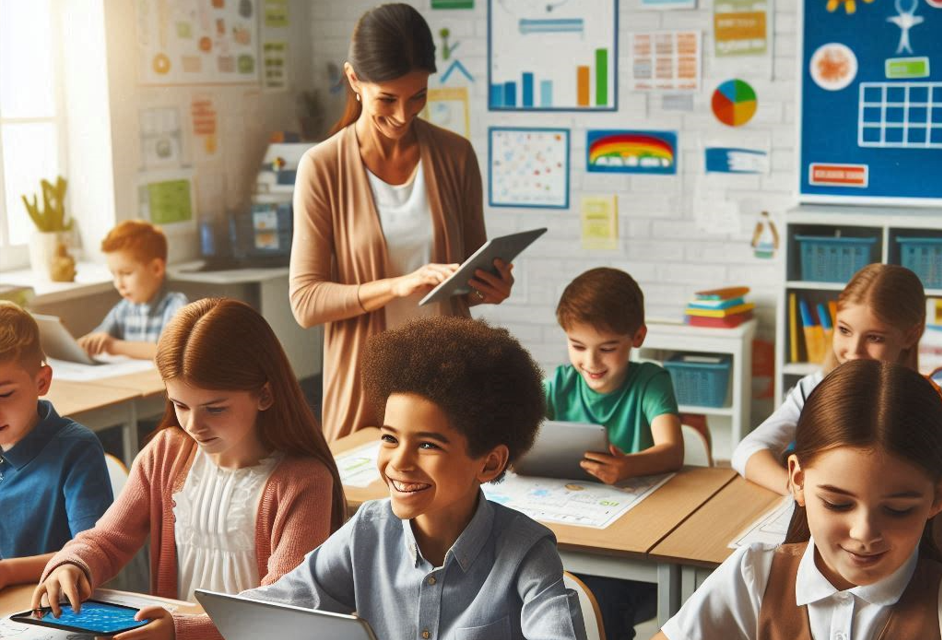
In recent years, the perception of video games has shifted from being purely recreational to becoming a powerful educational tool. Educators and researchers have begun to explore how interactive environments can foster critical thinking, creativity, and problem-solving skills. One of the most promising developments in this field is a program specifically designed to teach schoolchildren how to solve complex problems through carefully structured video game experiences.
The Evolution of Learning Through Play
Traditional education often relies on passive methods such as lectures, memorization, and standardized exercises. While effective in certain contexts, these approaches can struggle to engage students fully or develop higher-order thinking skills. In contrast, video games offer dynamic environments where learners actively participate, experiment, and adapt.
The program leverages this interactivity to create learning experiences that are both engaging and intellectually stimulating. Instead of presenting information directly, it immerses students in scenarios where they must discover solutions independently.
Key Differences from Traditional Learning
- Active participation instead of passive listening
- Immediate feedback on decisions
- Opportunities for experimentation and iteration
- Integration of narrative and context
How the Program Works
The program consists of a series of educational video games designed around specific problem-solving principles. Each game presents challenges that require logical reasoning, pattern recognition, and strategic planning.
Students are not given direct instructions. Instead, they are encouraged to explore the environment, test hypotheses, and learn from both successes and failures.
Core Mechanics
- Puzzle-based challenges with increasing complexity
- Scenario-driven tasks requiring decision-making
- Resource management and optimization problems
- Collaborative missions encouraging teamwork
As students progress, the difficulty adjusts dynamically based on their performance, ensuring that tasks remain challenging but achievable.
Adaptive Learning and Personalization
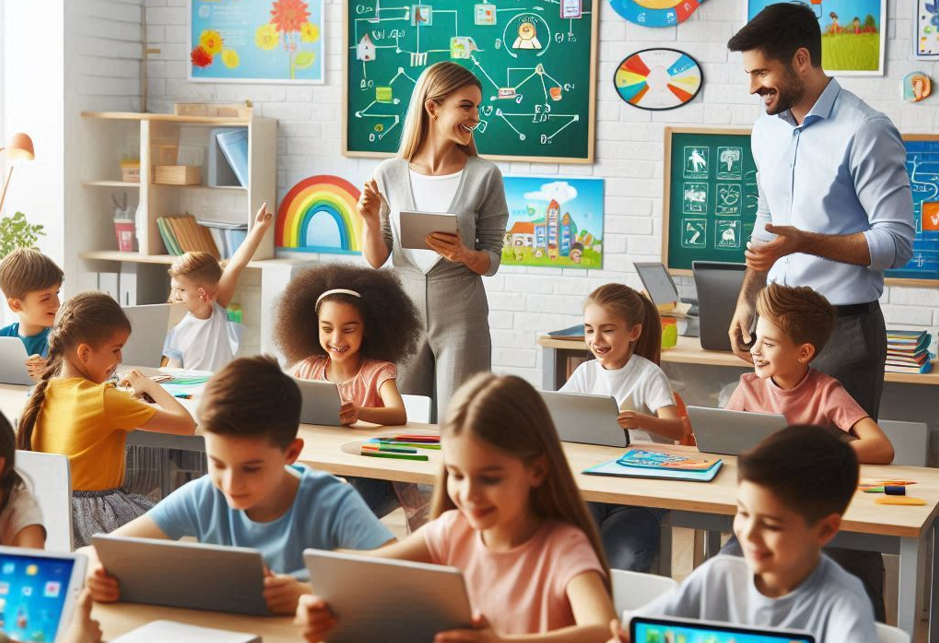
One of the most powerful aspects of the program is its adaptive learning system. Using artificial intelligence, it tracks each student’s progress and identifies strengths and weaknesses.
This data is used to tailor future challenges, providing personalized learning paths for every student.
Adaptive Features
- Dynamic difficulty adjustment
- Targeted challenges for skill development
- Real-time performance analysis
This approach ensures that students remain engaged while continuously improving their abilities.
Developing Critical Thinking Skills
The program emphasizes critical thinking by presenting open-ended problems that do not have a single correct answer. Students must evaluate multiple possibilities and consider the consequences of their actions.
For example, a game scenario might require managing limited resources to achieve a goal. Students must decide how to allocate resources efficiently while anticipating future challenges.
Skills Developed
- Logical reasoning
- Strategic planning
- Decision-making under uncertainty
- Creative problem-solving
Engagement and Motivation
One of the primary advantages of using video games in education is increased student engagement. The interactive nature of games captures attention and encourages sustained focus.
Gamification elements such as rewards, achievements, and progression systems further motivate students to continue learning.
Challenges and Concerns
Despite its benefits, the program faces several challenges. Some educators worry about excessive screen time, while others question whether game-based learning can fully replace traditional methods.
Potential Concerns
- Balancing gameplay with educational objectives
- Ensuring accessibility for all students
- Maintaining teacher involvement
To address these issues, the program is designed to complement, rather than replace, conventional teaching methods.
The Future of Game-Based Education
As technology continues to evolve, game-based learning is likely to become more sophisticated. Future programs may incorporate virtual reality, allowing students to interact with immersive environments.
Ultimately, this approach represents a shift toward more engaging and effective education. By teaching children how to think rather than what to think, the program prepares them for the complex challenges of the modern world.