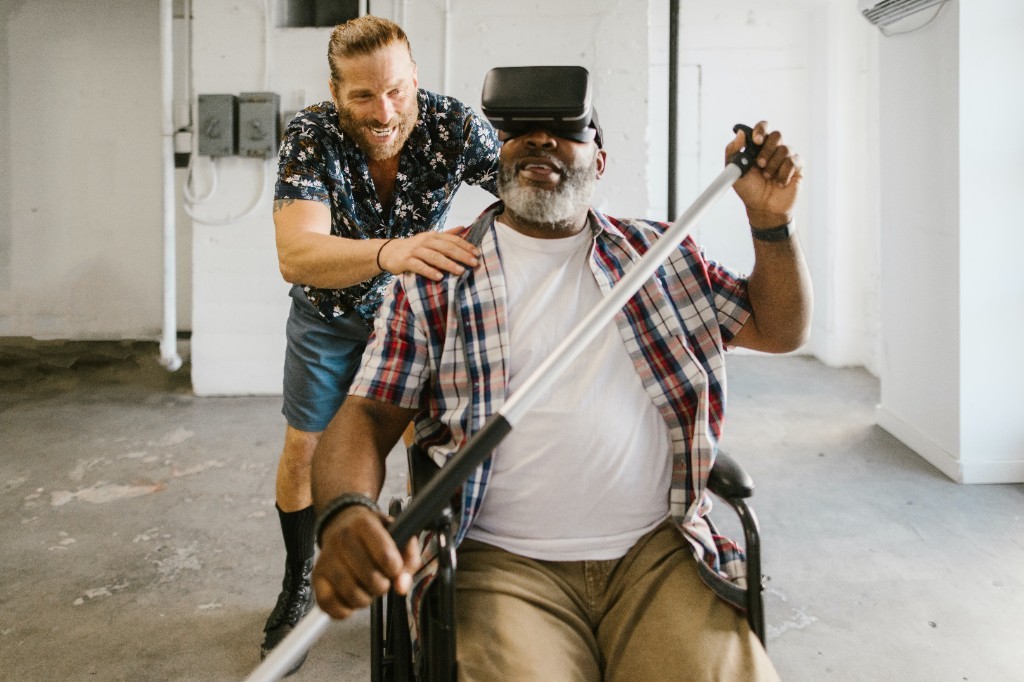

In recent years, there has been a significant advancement in the field of Artificial Intelligence (AI) and Augmented Reality (AR). These technologies have become increasingly popular and have the potential to enhance virtual experiences in various fields such as gaming, education, healthcare, and...
A Program Teaches Seniors to Recognize Phishing Attempts Online
164
18.06.2026

In today's hyper-connected world, the internet has become an essential utility for everyone, regardless of age. For seniors, digital tools offer incredible opportunities to stay connected with family, manage health, and access information. However, this increased reliance on technology has also made older adults a primary target for cybercriminals. Phishing—the practice of sending fraudulent communications that appear to come from a reputable source—has become the most prevalent threat facing this demographic. Because many seniors did not grow up with the internet, they are often less skeptical of digital messages, making them particularly vulnerable to sophisticated social engineering.
To combat this, a new wave of educational programs has emerged, specifically designed to empower seniors with the skills needed to recognize and outsmart digital scammers. These initiatives are transforming the way older adults interact with technology, moving them from vulnerable targets to confident, secure internet users.
The Vulnerability Gap in the Digital Age
Cybercriminals often view seniors as the "low-hanging fruit" of the digital world. Scammers utilize psychological manipulation, creating a sense of urgency or fear—such as claiming that a bank account has been compromised or that a family member is in trouble. For a generation that often values politeness and trusts formal-looking communication, these tactics are highly effective. The consequences are rarely just technical; they can lead to significant financial loss and deep emotional trauma. Education is the most powerful weapon against this growing trend.
Core Pillars of Phishing Awareness Programs
Modern training programs for seniors do not rely on dense technical manuals or jargon-heavy lectures. Instead, they focus on practical, scenario-based learning that translates to the user's daily digital routine. Most successful initiatives are built upon three main pillars.
1. Visual Literacy and Recognizing Red Flags
The primary goal of these programs is to teach seniors to "look before they click." Educators use side-by-side comparisons of genuine emails and phishing attempts to highlight subtle discrepancies that scammers often leave behind. Participants are trained to look for:
- Generic Greetings: Legitimate institutions rarely address customers as "Dear Valued Client" or "Dear User."
- Suspicious Links: Hovering over a link (or long-pressing on a tablet) to see the actual URL before opening it.
- Urgency and Threats: Recognizing that legitimate banks or government agencies do not demand passwords or payment via email or text message under the threat of immediate account closure.

2. Building a Culture of Healthy Skepticism
Seniors are encouraged to adopt a "verify, don't trust" mindset. The curriculum teaches participants to treat unexpected emails or texts with suspicion, even if they appear to come from known entities like utility companies or retail giants. Programs emphasize the importance of reaching out through official, verified channels—such as calling the phone number on the back of a credit card—rather than clicking the link provided in a suspicious message.
3. Simplified Technical Safeguards
While the focus is on recognition, these programs also teach simple digital hygiene. This includes the use of multi-factor authentication (MFA), which adds an essential layer of security. Instructors walk seniors through the process of setting up these features on their smartphones, ensuring they understand that even if their password is stolen, the scammer cannot access their account without a secondary verification code.
The Impact of Community-Based Learning
The most effective programs are those integrated into community centers, libraries, and retirement villages. Learning in a social environment reduces the stigma often associated with not "understanding" technology. Peer-to-peer mentorship is particularly powerful; when a senior learns to identify a phishing attempt, they often share that knowledge with their social circle, creating a ripple effect of awareness that protects the entire community.
Empowerment Over Fear
The objective of these programs is not to make seniors afraid of the internet, but to give them the confidence to navigate it safely. By demystifying digital threats, these educational initiatives restore a sense of agency. When an older adult learns to recognize a phishing attempt, they aren't just avoiding a scam—they are successfully participating in the modern digital landscape. This newfound confidence encourages them to continue using digital tools for communication and entertainment, knowing that they possess the knowledge to keep their assets and identity safe.
Conclusion
As cyber threats become more complex, the commitment to senior digital literacy must be a continuous endeavor. Programs that teach seniors to recognize phishing are doing more than just protecting bank accounts; they are preserving independence and social connection. Through patience, practical education, and a supportive community, we can ensure that the digital world remains a place of opportunity rather than a source of danger for our older generations.