
In recent years, there has been a significant advancement in the field of Artificial Intelligence (AI) and Augmented Reality (AR). These technologies have become increasingly popular and have the potential to enhance virtual experiences in various fields such as gaming, education, healthcare, and...
A Program Turns Grandmother’s Handwritten Recipes Into Digital Cookbooks
87
25.08.2026
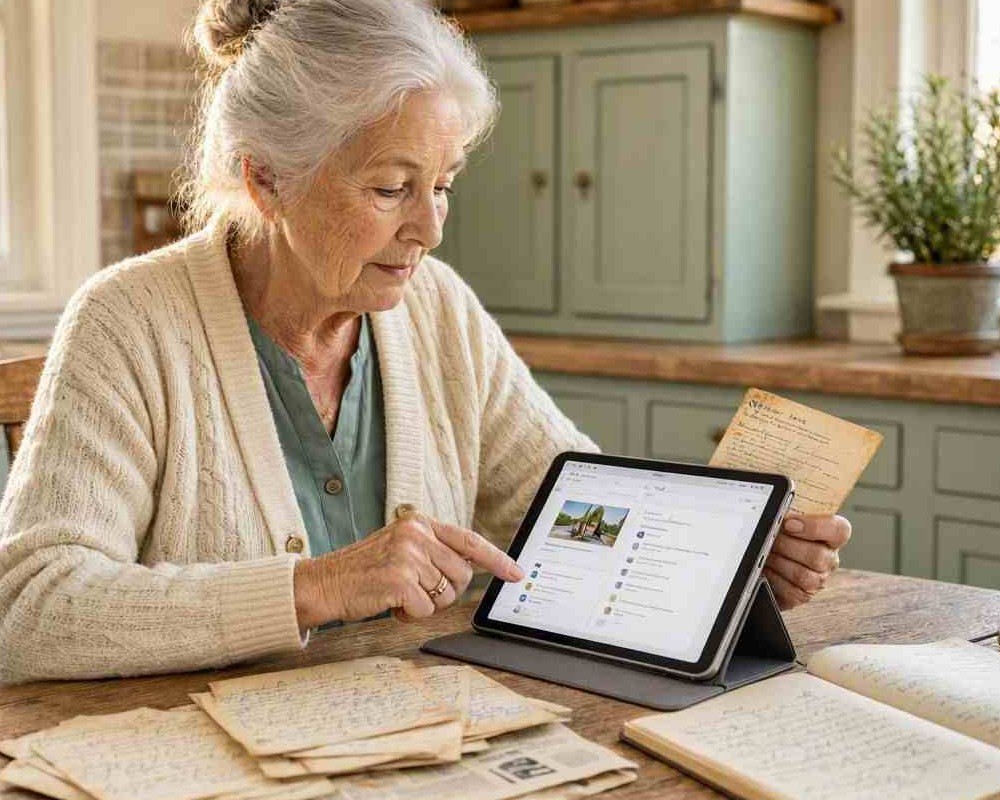
Family recipe cards preserve more than instructions for preparing food. Faded ink, crossed-out measurements, margin notes, and familiar handwriting connect meals with the people who made them. Unfortunately, paper recipes are vulnerable to spills, sunlight, loss, and age. A digital cookbook program offers a practical way to protect these records while keeping their personal character intact.
The program converts scanned cards, notebook pages, and photographs into organized digital recipes. Instead of manually typing every ingredient and direction, families can upload images, review an automated transcription, and assemble a cookbook that is easy to search, share, and print.
How Handwritten Recipe Conversion Works
The process combines optical character recognition, image enhancement, and structured data extraction. Standard OCR tools often struggle with cursive writing, uneven lighting, old paper, and unconventional abbreviations. A recipe-focused program is designed to recognize culinary language and identify common sections such as ingredients, quantities, temperatures, and preparation steps.
Scanning and Text Recognition
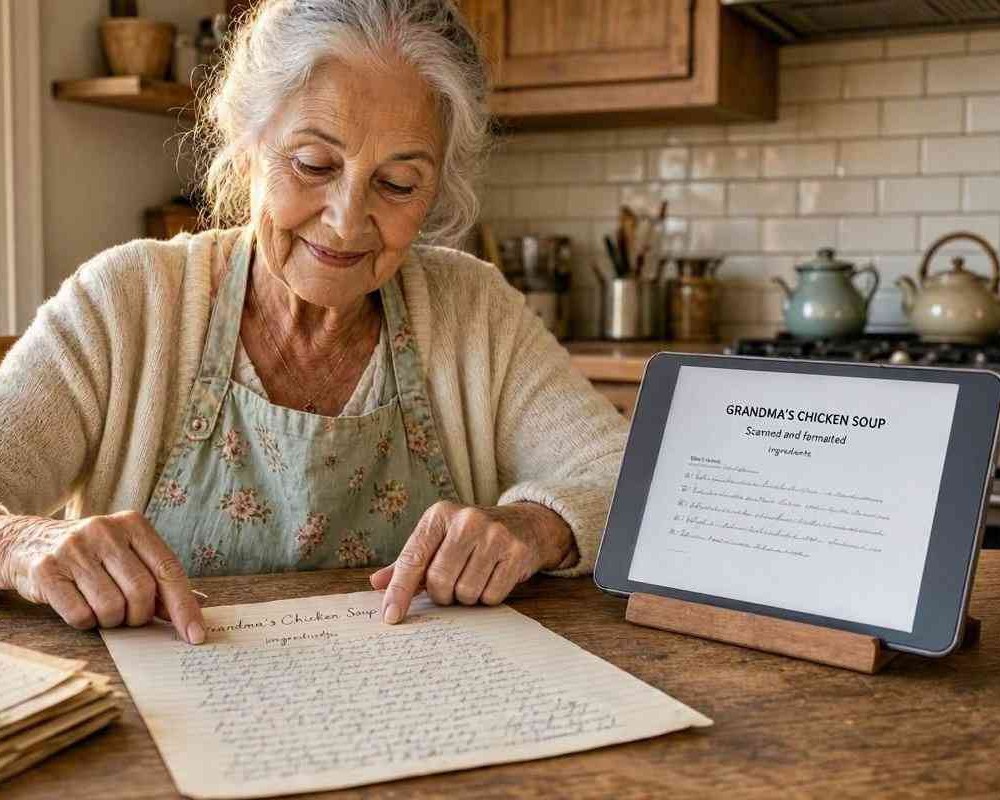
Users begin by photographing or scanning each recipe. Clear, evenly lit images usually produce the best results, although enhancement tools can improve contrast and reduce shadows. The program examines the handwriting, converts it into editable text, and separates the content into meaningful fields. It may interpret “tsp.” as teaspoon, recognize fractional measurements, and distinguish an oven temperature from a cooking time.
Human Review Remains Essential
Automated transcription saves time, but it should not replace careful review. Handwriting can be ambiguous, and older recipes frequently omit details that the original cook understood instinctively. A reviewer should compare the digital version with the source image, confirm quantities, and mark uncertain words rather than guessing. Keeping the original scan beside the transcription also preserves authenticity.
From Recipe Cards to a Finished Cookbook
Once the text has been verified, the program can guide users through a simple publishing workflow:
- Upload scans or photographs in a supported image format.
- Review the transcription and correct names, measurements, or instructions.
- Add categories such as breads, holiday dishes, preserves, or desserts.
- Attach family photographs, memories, dates, and notes about each dish.
- Export the collection as a PDF, printed book, or shareable digital edition.
Organizing a Family Food Archive
A searchable cookbook is more useful than a folder of unrelated image files. Recipes can be tagged by author, occasion, ingredient, generation, or branch of the family. Consistent titles and categories help relatives find a favorite dish quickly. An index can also reveal connections between recipes, such as several variations of the same pie or sauce.
Preserving the Story Behind Every Dish
The strongest digital cookbooks retain visual and emotional context. A polished transcription is convenient in the kitchen, but the scanned card shows personality. Both versions should appear together whenever possible. Useful additions include:
- A short biography of the original cook
- The occasion when the dish was traditionally served
- Regional names or family-specific ingredient terms
- Photographs of meals, kitchens, and handwritten notes
Privacy and Long-Term Storage
Families should check how uploaded images are stored and whether they are used to train recognition systems. A trustworthy program should explain its privacy policy, provide deletion controls, and allow complete exports. Finished files should be backed up in at least two locations, such as encrypted cloud storage and an external drive.
What Makes the Program Valuable
Digitization protects fragile originals without stripping away their meaning. It also makes inherited recipes accessible to relatives who live far apart, use phones while cooking, or need larger, readable text. Editable records allow families to clarify missing instructions while clearly separating modern additions from the original wording.
A Practical Legacy for Future Generations
A grandmother’s recipe collection is a form of family history that can still be cooked, tasted, and shared. Converting it into a digital cookbook prevents irreplaceable knowledge from disappearing. With accurate transcription, thoughtful organization, original images, and secure backups, a simple program can transform a box of aging cards into a durable family archive.