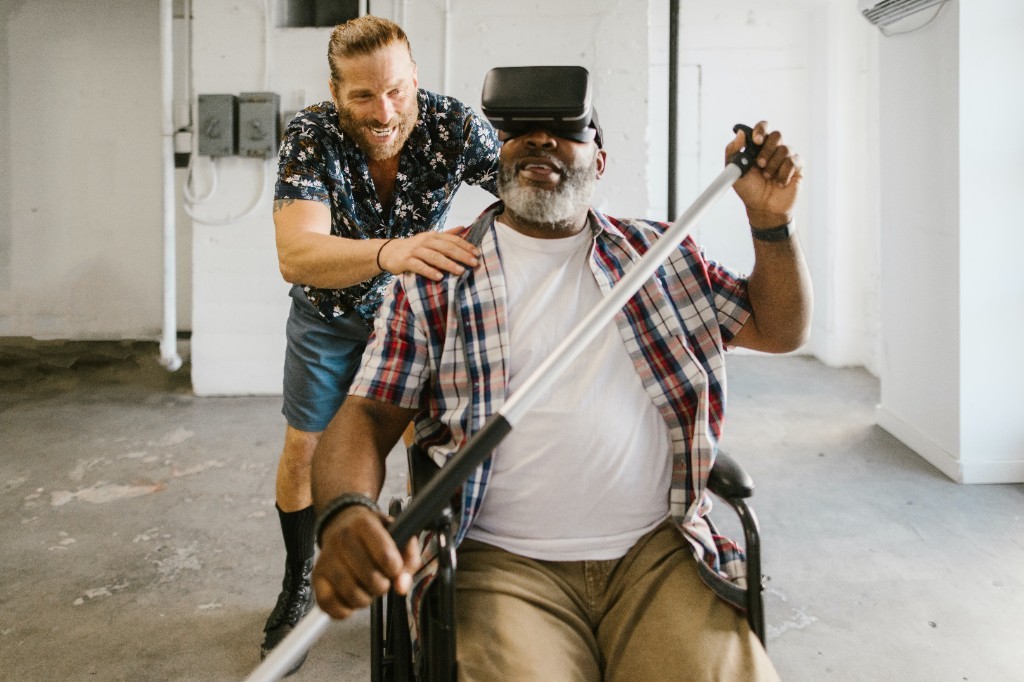

In recent years, there has been a significant advancement in the field of Artificial Intelligence (AI) and Augmented Reality (AR). These technologies have become increasingly popular and have the potential to enhance virtual experiences in various fields such as gaming, education, healthcare, and...
A Smart Bicycle Automatically Adjusts Gears Based on the Rider's Fatigue
198
30.04.2026
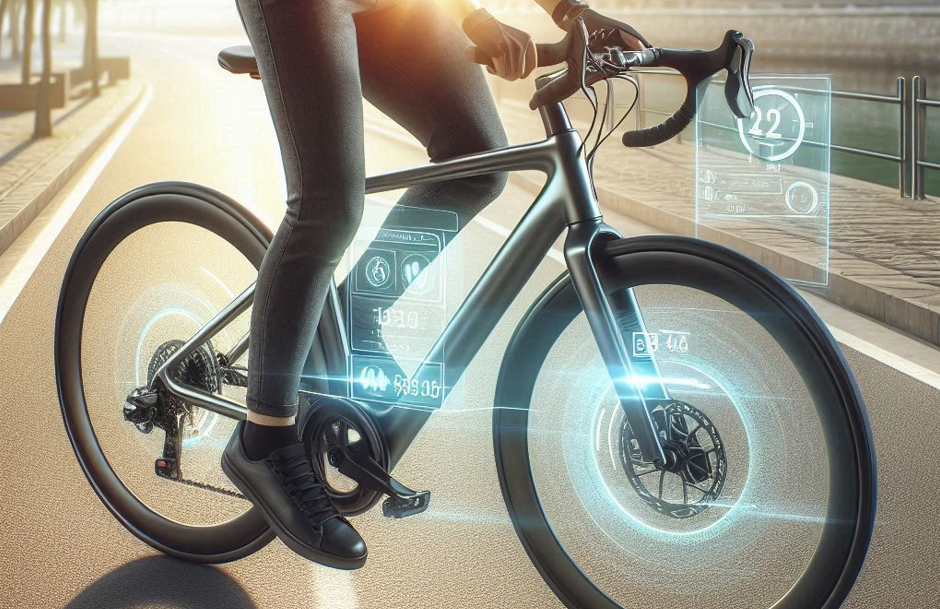
Cycling has always been a balance between human endurance and mechanical efficiency. Riders constantly adjust gears to match terrain, speed, and physical condition. However, this process requires awareness, experience, and quick decision-making. A new generation of smart bicycles aims to remove this burden by automatically adjusting gears based on the rider’s fatigue level, creating a seamless and optimized riding experience.
The Challenge of Managing Fatigue While Cycling
Fatigue is one of the most critical factors influencing cycling performance. As riders tire, their ability to maintain cadence and choose optimal gears declines. This often results in inefficient pedaling, unnecessary strain, and reduced endurance.
Traditional gear systems rely entirely on the rider’s input. While experienced cyclists can make adjustments intuitively, less experienced riders may struggle to respond effectively to changing conditions.
Common Issues Faced by Cyclists
- Delayed gear changes during fatigue
- Overexertion on inclines
- Inefficient cadence leading to energy loss
- Difficulty maintaining consistent performance
The Concept of a Smart Bicycle
The smart bicycle introduces an adaptive gear system powered by artificial intelligence. Instead of reacting solely to terrain, it continuously monitors the rider’s physical state and adjusts accordingly.
This approach transforms the bicycle into an intelligent companion that supports the rider throughout the journey.
Core Components
- Biometric sensors integrated into the handlebars and pedals
- Cadence and torque measurement systems
- AI-driven control unit
- Electronic gear shifting mechanism
How the System Detects Fatigue
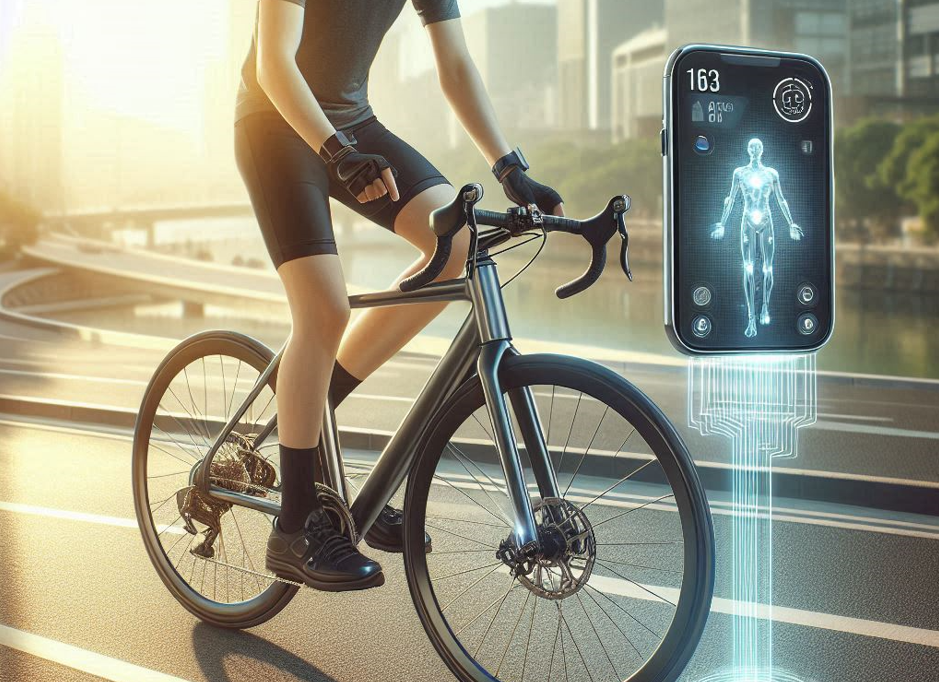
The key innovation lies in the ability to measure fatigue in real time. The system collects data from multiple sources and analyzes it to determine the rider’s condition.
Data Inputs
- Heart rate variability
- Pedaling cadence consistency
- Power output fluctuations
- Muscle strain indicators
By combining these signals, the AI creates a fatigue profile that evolves throughout the ride.
Dynamic Gear Adjustment
Once fatigue is detected, the system adjusts gears automatically to maintain optimal efficiency. For example, if the rider’s cadence drops due to exhaustion, the bicycle shifts to a lower gear to reduce strain.
On flat terrain, the system may encourage higher efficiency by selecting gears that maintain a steady cadence without overexertion.
Adaptive Strategies
- Reducing resistance during fatigue peaks
- Optimizing cadence for energy conservation
- Balancing speed and endurance
Benefits for Different Types of Riders
This technology benefits a wide range of cyclists, from beginners to professionals. For casual riders, it simplifies cycling and reduces physical stress. For athletes, it provides precise performance optimization.
Advantages
- Improved endurance and reduced fatigue
- Enhanced riding comfort
- Better energy management
- Increased accessibility for new riders
Integration with Smart Ecosystems
The smart bicycle can connect to mobile applications and wearable devices. This integration allows riders to track performance metrics and customize system behavior.
Data collected during rides can also be used to improve training strategies and monitor long-term progress.
Challenges and Limitations
Despite its advantages, the system must address several challenges. Accurate fatigue detection requires reliable sensors and sophisticated algorithms. External factors such as weather and terrain variability can also affect performance.
Potential Issues
- Sensor inaccuracies
- Battery dependency
- Cost of advanced components
The Future of Intelligent Cycling
As technology advances, smart bicycles may incorporate additional features such as navigation assistance, collision detection, and fully autonomous riding modes.
Ultimately, the integration of AI into cycling represents a shift toward more intuitive and responsive transportation systems. By adapting to the rider’s physical state, the smart bicycle enhances both performance and enjoyment, making cycling more efficient and accessible than ever before.