

In recent years, there has been a significant advancement in the field of Artificial Intelligence (AI) and Augmented Reality (AR). These technologies have become increasingly popular and have the potential to enhance virtual experiences in various fields such as gaming, education, healthcare, and...
A Smart Clinic Queue System Books Patients Automatically
153
08.07.2026
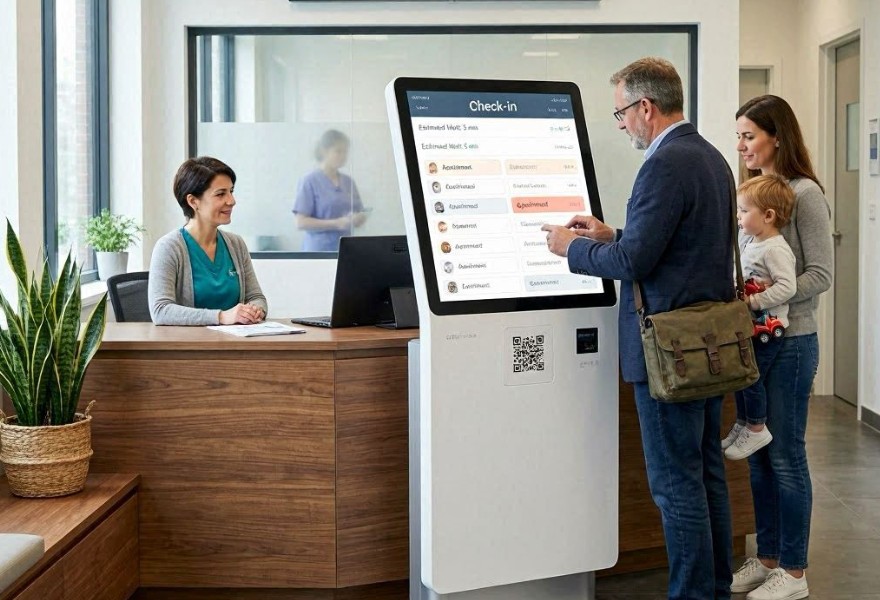
The waiting room is perhaps the most universally disliked aspect of the healthcare experience. For patients, it represents wasted time, anxiety, and a disruption to daily responsibilities. For clinic staff, it often signifies a chaotic environment where manual scheduling leads to bottlenecks, overworked medical personnel, and administrative burnout. The solution to these challenges lies in the integration of smart clinic queue systems. By utilizing artificial intelligence and predictive analytics, these automated platforms are transforming how appointments are booked and how patient flow is managed, ensuring that time in the clinic is spent on care rather than waiting.
A smart queue system is far more than a digital sign-up sheet. It is an intelligent management layer that sits between the patient’s initial request and the clinic’s daily operations, constantly re-balancing resources to maintain efficiency.
The Mechanics of Automated Scheduling
The core of an automated queue system is its ability to treat clinical time as a dynamic resource. Instead of static slots, the system uses algorithms to predict the complexity and duration of visits based on historical data.
Dynamic Resource Allocation
When a patient books an appointment, the system evaluates several variables before assigning a time slot:
- Visit Complexity: Based on the symptoms reported or the type of procedure, the AI estimates the required time, preventing scheduling conflicts where a short check-up follows a lengthy consultation.
- Provider Availability: The system maintains real-time synchronization with physician schedules, including their current status and any potential delays.
- Urgency Filtering: By integrating a triage algorithm, the system automatically prioritizes patients based on the severity of their condition, moving those in need of immediate attention to the front of the queue.
Transforming the Patient Experience
The primary benefit of a smart system is the restoration of agency to the patient. By providing transparency, the system significantly lowers the anxiety associated with doctor visits.
Real-Time Queue Transparency
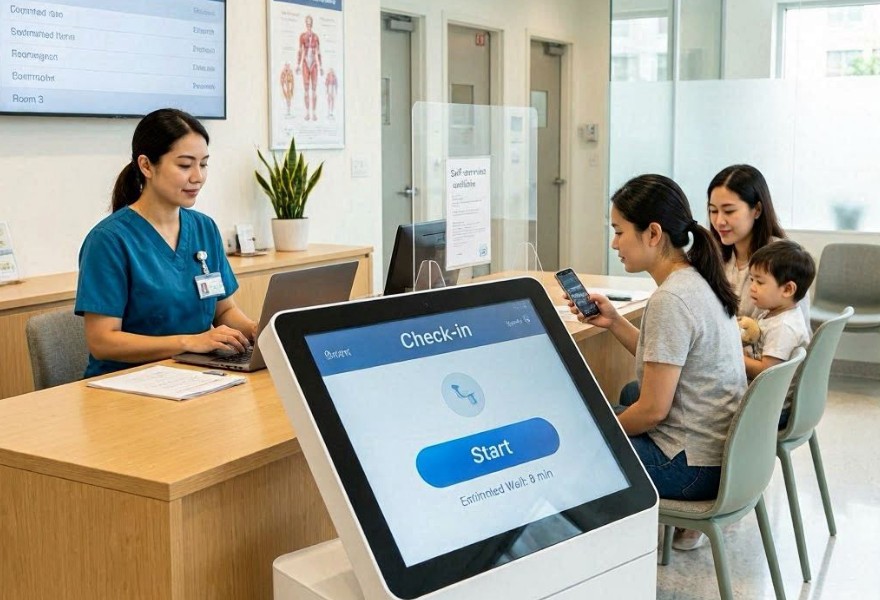
Through a dedicated mobile application, patients are provided with a "live feed" of the clinic’s current status. Instead of sitting in a crowded room for an hour, patients can see if their doctor is running behind schedule. If a delay occurs, the system automatically sends a notification, allowing the patient to adjust their arrival time. This "just-in-time" arrival model drastically reduces waiting room congestion and improves overall patient satisfaction.
Automated Follow-ups and Rescheduling
Smart systems also excel at administrative maintenance. If a patient cancels an appointment, the system immediately polls the "waitlist"—a digital registry of patients looking for earlier slots—and sends an automated offer for the newly vacant time. This minimizes "no-show" revenue loss for the clinic and ensures that medical care is delivered as efficiently as possible.
Efficiency Gains for Medical Staff
For clinical staff, the automation of booking removes the burden of repetitive administrative labor, allowing doctors and nurses to focus on clinical outcomes.
Data-Driven Administrative Efficiency
- Reduction in Phone Traffic: By allowing patients to book, cancel, or move appointments via an intuitive digital interface, clinics can see a massive reduction in incoming appointment-related phone calls.
- Predictive Staffing: The system provides clinic managers with predictive reports, suggesting how many staff members are needed on specific days based on anticipated demand patterns.
Overcoming Adoption Barriers
The transition to a smart queue system does require a change in infrastructure. Clinics must ensure that their systems are HIPAA-compliant, protecting sensitive patient data while allowing for the seamless exchange of information. Furthermore, there is the challenge of the "digital divide." To remain inclusive, smart systems must offer multi-channel access, allowing those who are less tech-savvy to interact with the system via automated phone services while still reaping the benefits of the AI-driven scheduling engine.
Conclusion
The smart clinic queue system is a vital component of the modern digitized hospital. By replacing the manual, rigid scheduling practices of the past with flexible, automated, and data-driven systems, we are moving toward a healthcare model that respects the patient’s time. As these systems continue to evolve, they will not only eliminate the waiting room but also optimize the very delivery of care, making medical services more accessible, efficient, and responsive to the needs of the community.