

In recent years, there has been a significant advancement in the field of Artificial Intelligence (AI) and Augmented Reality (AR). These technologies have become increasingly popular and have the potential to enhance virtual experiences in various fields such as gaming, education, healthcare, and...
A Smart Flower Pot Warns of Plant Disease Before Symptoms Appear
121
02.08.2026
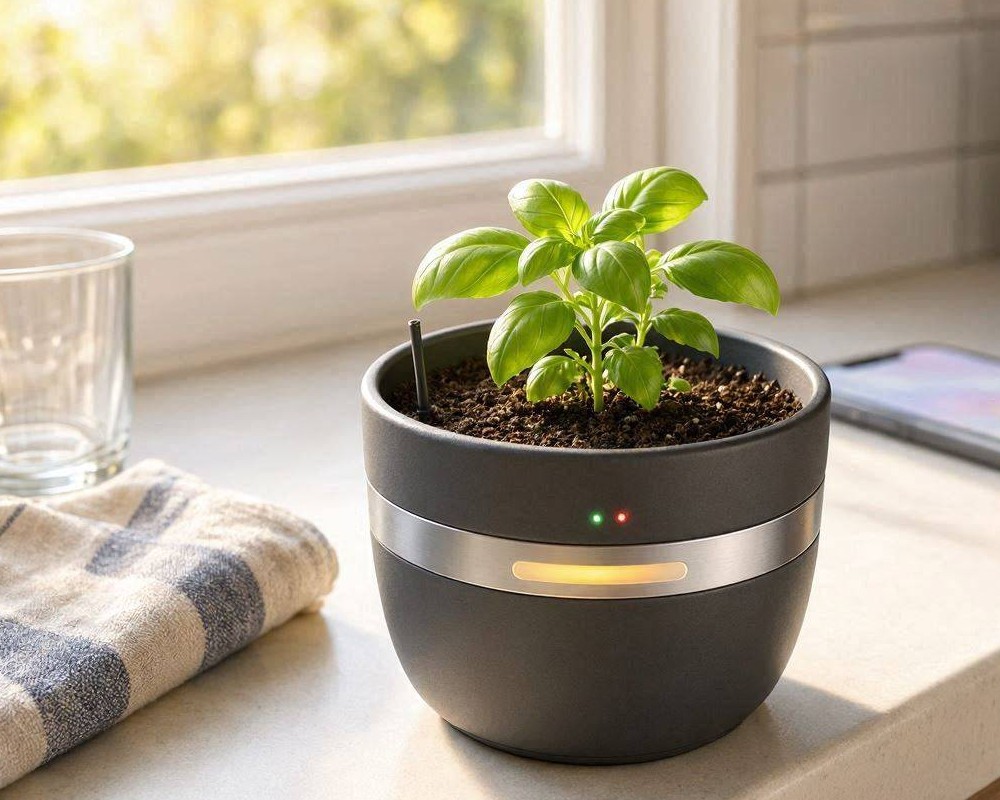
Houseplants and garden crops often fail long before a grower notices anything wrong. By the time yellow leaves, wilting, or spots appear, the problem may be advanced—harder to stop and sometimes too late to recover. A new generation of smart flower pots aims to change that timeline by predicting disease risk earlier, based on subtle shifts in the plant’s environment and physiology.
Instead of waiting for visible symptoms, these devices monitor key indicators continuously and use them to trigger alerts when conditions favor pathogens or stress-related disorders. The result is earlier intervention, fewer losses, and more confident plant care—even for beginners.
Why plant disease often starts silently
Many plant diseases begin at the microscopic level: fungal spores establish themselves on leaf surfaces, root pathogens spread through moist soil, or viruses disrupt plant signaling. The plant doesn’t always react immediately in a way humans can easily see.
Common warning signs—like discoloration, curling, or stunted growth—typically arrive after several internal changes have already occurred. Meanwhile, the environment may be quietly shifting: moisture levels rise, airflow drops, nutrient balance changes, or the root zone becomes too warm and oxygen-poor. Those conditions can accelerate infection and reduce the plant’s ability to resist.
How a smart flower pot senses early risk
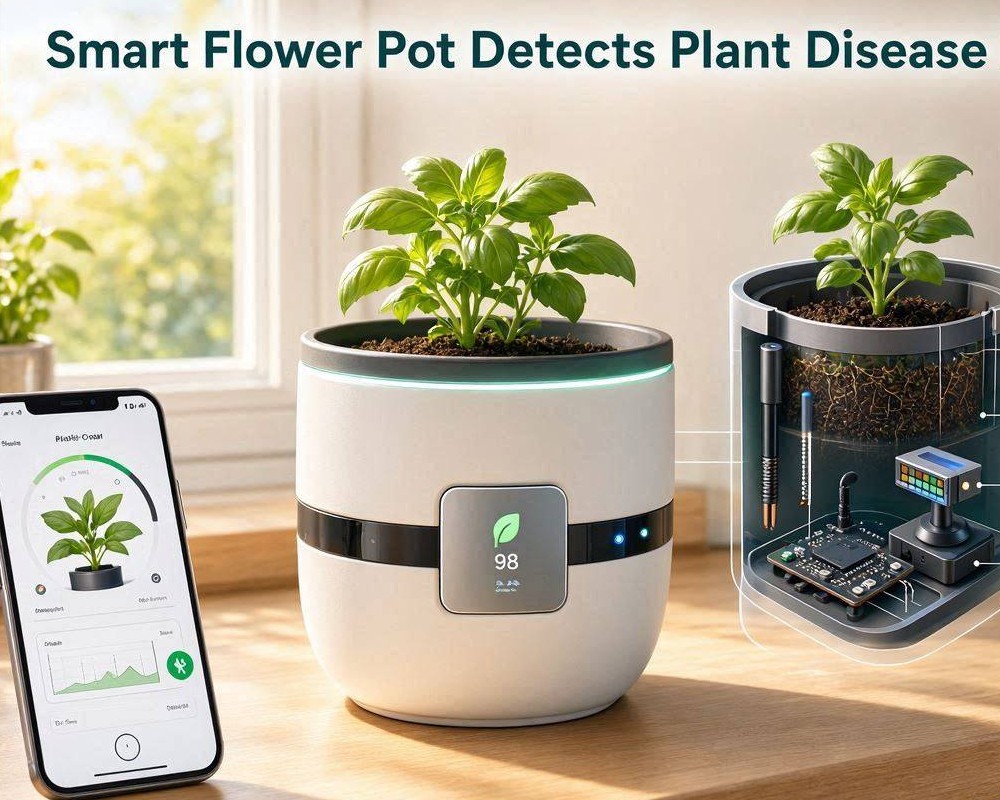
A smart flower pot usually combines multiple sensors and smart interpretation. Rather than tracking only one variable, it looks for patterns that correlate with disease development and stress.
Core measurements that matter
- Soil moisture and water availability: Overwatering can create oxygen-deprived conditions that promote root rot and some fungal diseases.
- Soil temperature: Many pathogens grow faster within specific temperature ranges.
- Air and humidity near the plant: High humidity often increases leaf wetness time and fungal spore survival.
- Light and growth conditions: Insufficient light can weaken plants, making infections easier to establish.
- Optional nutrient or EC-related indicators: Imbalanced nutrition can mimic or amplify disease symptoms.
Turning sensor data into actionable alerts
Most smart pots rely on algorithms or rule-based models trained to identify risk patterns. For example, a sudden rise in soil moisture paired with consistently warm temperatures may indicate a root-zone environment that favors pathogens. Similarly, repeated high humidity around foliage combined with poor airflow can signal elevated risk of mildew.
Instead of claiming a definite diagnosis, the system typically warns of disease likelihood and suggests next steps—such as adjusting watering frequency, improving ventilation, or checking for early lesions.
What “before symptoms appear” really means
Early warnings don’t guarantee you’ll prevent every disease, but they give you a crucial head start. By catching risk conditions early, you can shift the environment before the pathogen reaches the stage where visible symptoms develop.
Consider a realistic scenario: a plant owner waters on schedule, but the pot retains moisture longer than expected due to cooler room temperatures. The smart pot detects elevated moisture persistence and triggers an alert. Instead of waiting for wilting or root damage, you reduce watering and allow the soil to dry within a healthier range. This intervention can prevent the environment from staying favorable for root rot.
Practical response: what to do when you get an alert
Good alerts are only useful if they lead to effective action. The most helpful smart pots provide guidance tailored to the situation and your plant type.
Immediate actions to consider
- Pause or adjust watering: Confirm soil moisture trends rather than relying on a calendar.
- Improve airflow: Increase ventilation around the plant and avoid overcrowding.
- Check placement and light: Ensure the plant receives appropriate light and doesn’t stay in persistently damp microclimates.
- Inspect the root zone if risk persists: If alerts continue, gently inspect for early issues and remove any severely affected material.
- Document changes: Note what you adjusted so the system’s recommendations can be refined over time.
For leaf-related fungal risks, you may also remove heavily affected foliage and avoid misting, since leaf wetness can worsen outcomes. The key is acting quickly while conditions still favor prevention.
Benefits for home growers and serious gardeners
A smart flower pot can reduce guesswork and help you develop better habits. It’s especially valuable in homes where temperature and humidity fluctuate, or for collectors who keep plants in multiple locations with varying light.
For enthusiasts and small-scale gardeners, early detection can mean:
- Fewer outbreaks spreading to neighboring plants
- Lower reliance on aggressive treatments
- More consistent growth through stable watering routines
- Faster learning about each plant’s preferences
Limitations: smart sensors are not magic
Even advanced devices can’t replace observation. Some diseases spread through insects or require targeted treatment that environmental monitoring alone can’t fully predict. Also, sensor readings can vary by potting mix, pot size, and how well the device is calibrated.
The best results come from using the smart pot as an early-warning system alongside basic plant care: appropriate soil, correct drainage, regular inspections, and prompt removal of suspicious leaves.
The future of plant protection is proactive
A smart flower pot represents a shift from reactive care to proactive protection. By detecting environmental patterns that precede disease symptoms, it helps growers intervene earlier—when changes are more likely to stop pathogens in their tracks. As these systems improve, the gap between warning and recovery will shrink, making healthy plants easier to maintain, one pot at a time.