

In recent years, there has been a significant advancement in the field of Artificial Intelligence (AI) and Augmented Reality (AR). These technologies have become increasingly popular and have the potential to enhance virtual experiences in various fields such as gaming, education, healthcare, and...
A Smart Garden Bed Waters Itself Based on Soil Moisture Levels
223
24.04.2026
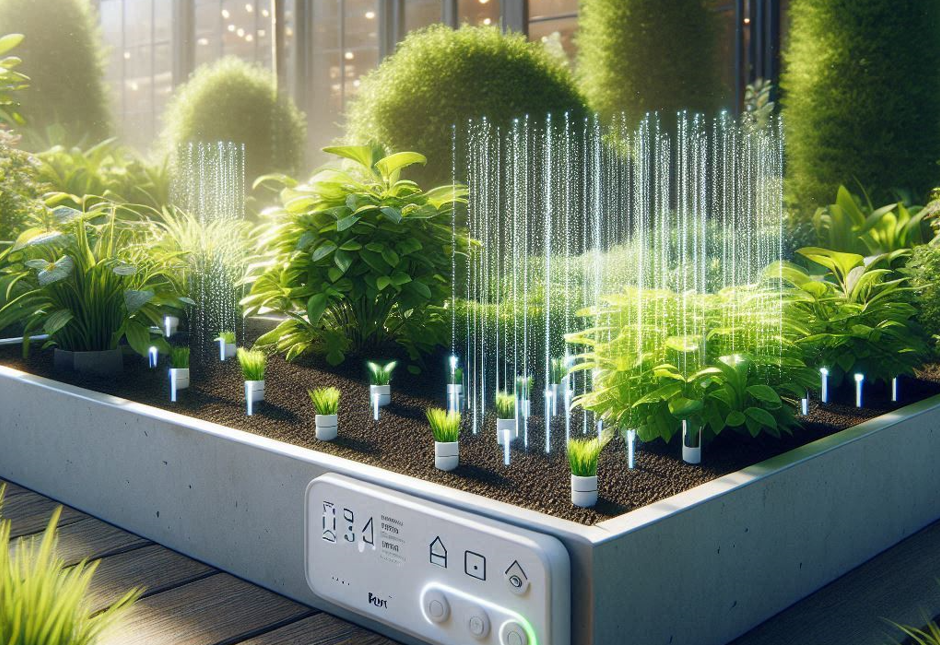
Gardening has traditionally been a balance between intuition and routine. For centuries, gardeners relied on observation, experience, and sometimes guesswork to determine when plants needed water. However, as climate variability increases and urban lifestyles become more demanding, maintaining optimal watering schedules has grown more challenging. A smart garden bed that waters itself based on soil moisture levels represents a significant shift from manual care to intelligent automation.
The Evolution of Smart Gardening
The concept of automated irrigation is not new, but early systems were simplistic. Timed sprinklers, for instance, delivered water at fixed intervals regardless of actual soil conditions. While convenient, such systems often led to overwatering or underwatering.
The smart garden bed takes a fundamentally different approach. Instead of relying on time, it responds to real-time data. By continuously monitoring soil moisture, it ensures that plants receive exactly the amount of water they need—no more, no less.
From Timers to Intelligence
- Traditional systems: fixed schedules
- Modern systems: sensor-driven decisions
- Advanced systems: predictive and adaptive behavior
This transition reflects a broader trend toward precision agriculture, even at the level of home gardening.
Core Components of the System
At the heart of the smart garden bed lies a network of interconnected components that work together seamlessly. Each element plays a critical role in ensuring accurate monitoring and efficient irrigation.
Key Hardware Elements
- Soil moisture sensors embedded at various depths
- Microcontroller or embedded processing unit
- Automated irrigation valves and pumps
- Water reservoir or direct supply connection
- Wireless communication module for remote monitoring
The sensors measure volumetric water content in the soil. This data is transmitted to the control unit, which analyzes it and determines whether irrigation is required.
How the System Makes Decisions
Unlike simple threshold-based systems, advanced smart garden beds incorporate machine learning algorithms. These systems learn from historical data and environmental conditions to refine their decisions over time.
Decision-Making Factors
- Current soil moisture levels
- Plant species and their water requirements
- Ambient temperature and humidity
- Weather forecasts, including rainfall predictions
- Soil type and drainage characteristics
For example, sandy soil drains quickly and may require more frequent watering, while clay soil retains moisture longer. The system adjusts accordingly.
Adaptive Irrigation in Practice
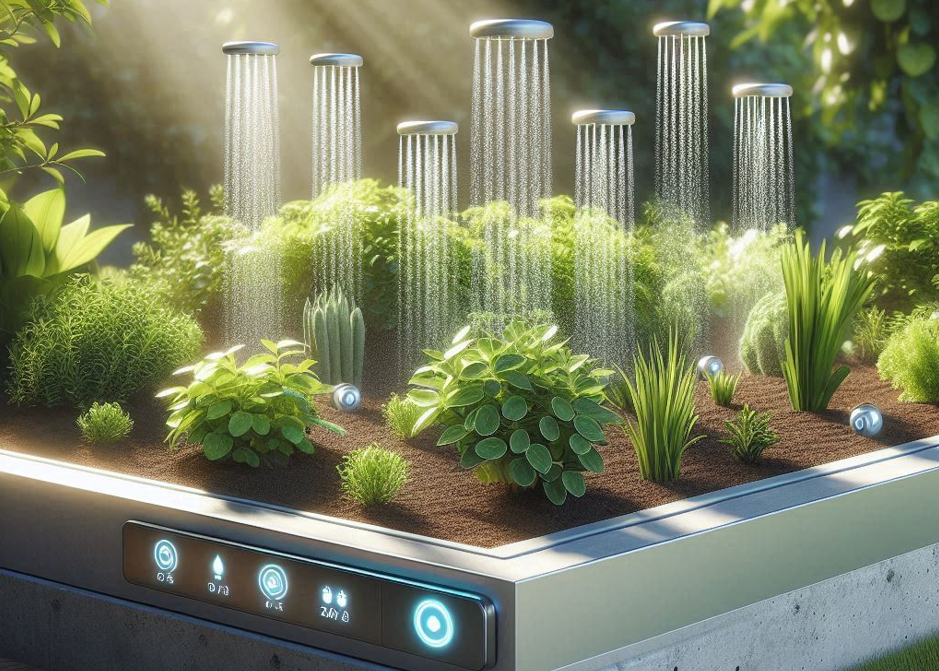
One of the most impressive aspects of the smart garden bed is its adaptability. On a hot summer day, it may water plants more frequently but in smaller amounts to prevent evaporation. During cooler periods, it reduces watering to avoid excess moisture.
The system can also differentiate between plant zones. Herbs, vegetables, and ornamental plants often have different hydration needs, and the system treats them accordingly.
Dynamic Behavior Examples
- Reducing watering before expected rainfall
- Increasing irrigation during heatwaves
- Adjusting schedules based on plant growth stages
Benefits for Home Gardeners
The advantages of such a system extend beyond convenience. By optimizing water usage, it contributes to sustainability and resource conservation.
Primary Benefits
- Significant reduction in water waste
- Healthier plants with consistent hydration
- Reduced time and effort for maintenance
- Improved yield for edible plants
For urban dwellers with limited time, the system offers peace of mind, ensuring that plants thrive even when attention is elsewhere.
Environmental Impact
Water scarcity is a growing global concern. Smart irrigation systems play a crucial role in addressing this issue by minimizing unnecessary water usage.
By delivering water only when needed, the smart garden bed reduces runoff and prevents soil erosion. It also lowers energy consumption associated with water pumping.
Challenges and Limitations
Despite its advantages, the system is not without challenges. Sensor accuracy can degrade over time, requiring calibration or replacement. Additionally, initial setup costs may be higher compared to traditional methods.
Potential Issues
- Sensor drift and calibration errors
- Dependence on power and connectivity
- Complexity of installation
However, ongoing advancements in sensor technology and cost reduction are gradually addressing these concerns.
The Future of Intelligent Gardening
Looking ahead, smart garden systems are likely to become even more sophisticated. Integration with broader smart home ecosystems could allow seamless control through voice assistants and mobile apps.
Future developments may include nutrient monitoring, pest detection, and fully autonomous plant care systems.
Ultimately, the smart garden bed represents a convergence of technology and nature. It demonstrates how data-driven systems can enhance traditional practices, making gardening more efficient, sustainable, and accessible to everyone.