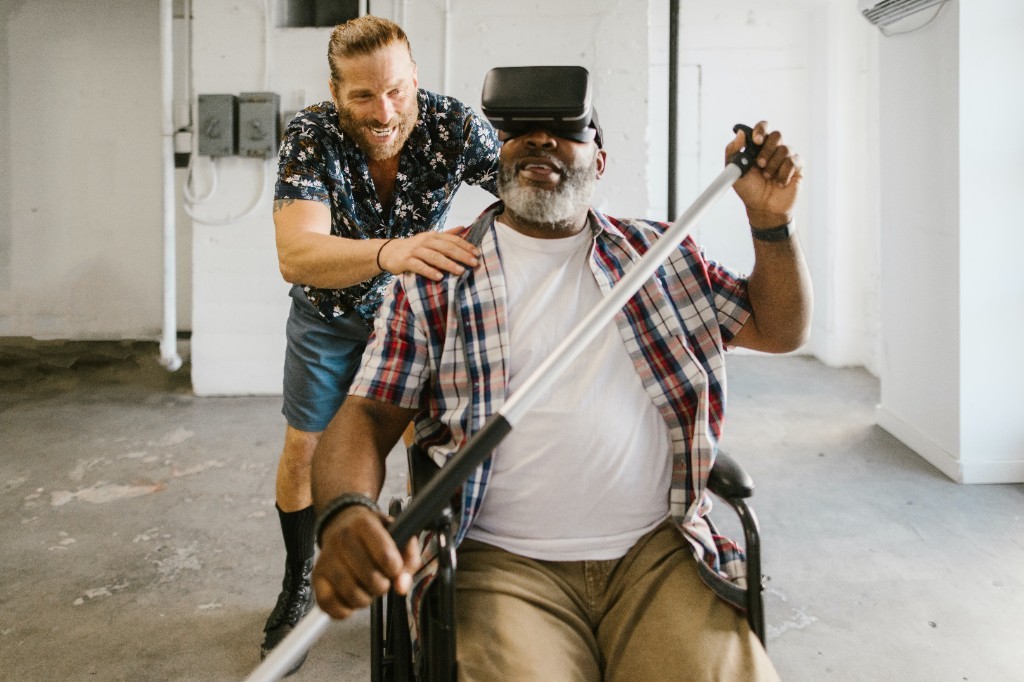
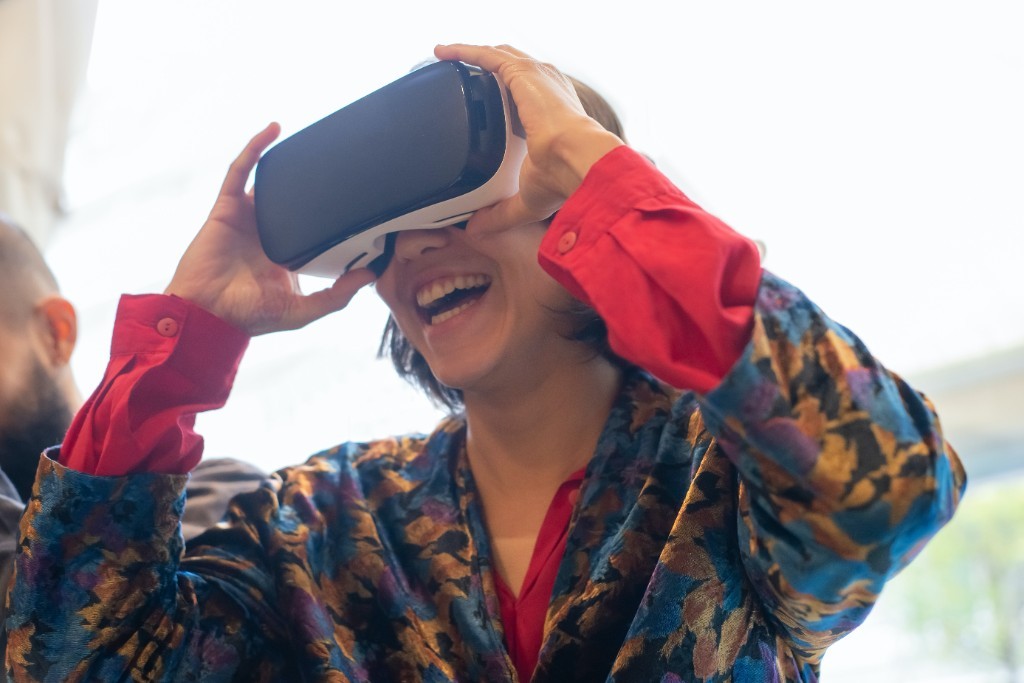
In recent years, there has been a significant advancement in the field of Artificial Intelligence (AI) and Augmented Reality (AR). These technologies have become increasingly popular and have the potential to enhance virtual experiences in various fields such as gaming, education, healthcare, and...
A Smart Lock Recognizes the Owner by Gait While Still in the Hallway
131
04.08.2026
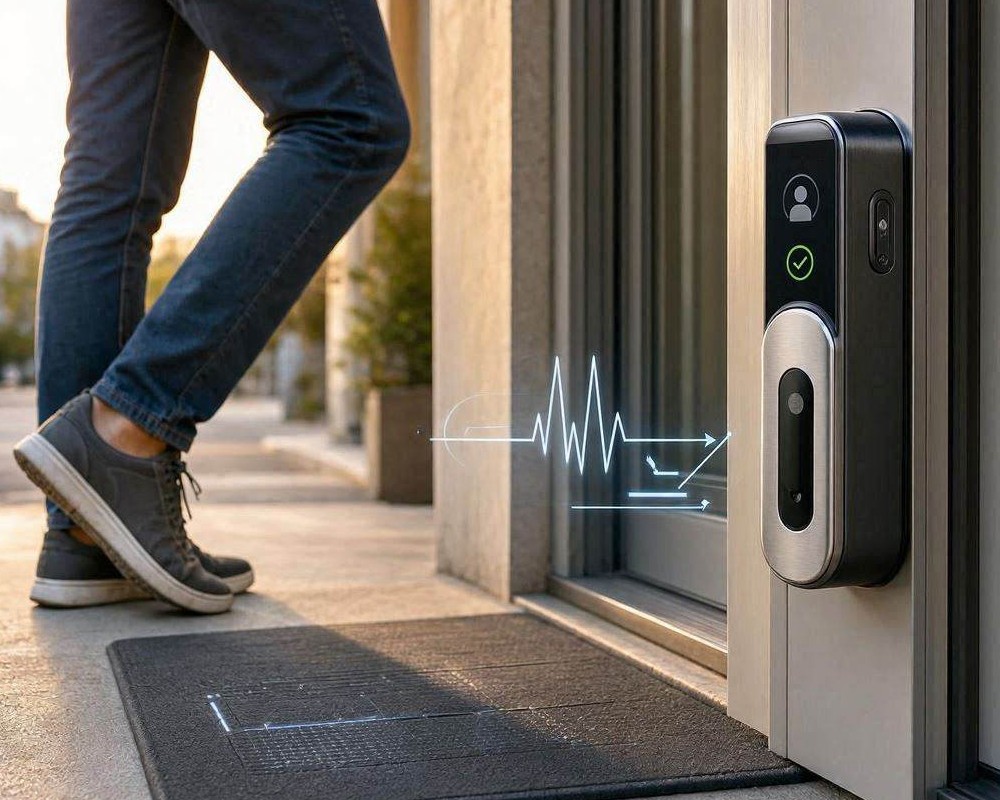
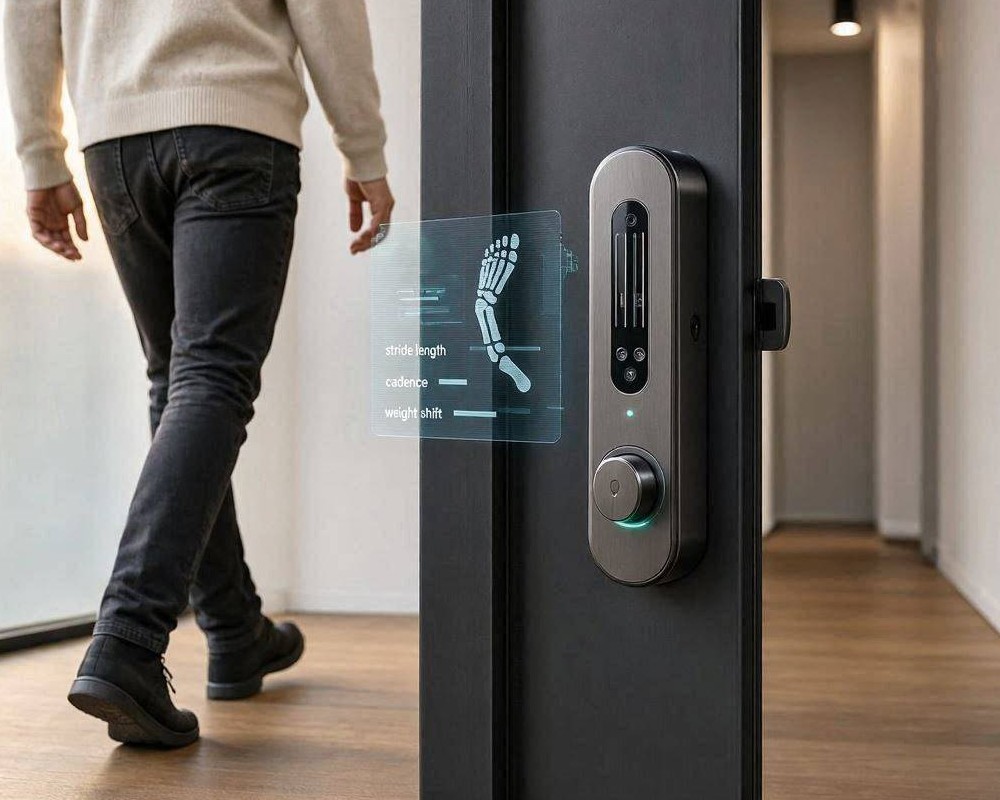
Imagine approaching your door without touching a keypad, tapping a phone, or holding a fob. A smart lock that recognizes the owner by their gait can determine who you are from the way you walk—often before you even reach the handle. This “hallway recognition” concept shifts authentication earlier in the process, reducing friction for the owner while strengthening access control against common threats.
What “gait recognition in the hallway” really means
Gait recognition uses how a person moves—stride length, cadence, weight transfer, and the rhythm of footfalls—to produce a behavioral signature. In a hallway setup, the system typically captures movement as the person walks toward the door. The lock then compares that live gait signature to stored profiles associated with authorized users.
How it differs from fingerprint and face unlock
Unlike biometrics that require a direct interaction (finger placement) or specific positioning (looking into a camera), gait-based systems can be triggered by movement in a wider field of view. This makes them especially useful when hands are full, lighting changes, or users prefer not to align their face perfectly.
However, gait recognition is not “magic.” It must handle variations such as carrying bags, wearing different shoes, walking slowly, or changing posture due to injury. A well-designed system treats gait as a probabilistic signal—access is granted when confidence is high enough, not merely when a single snapshot matches.
Why gait-based authentication can be more secure
Most traditional attack scenarios focus on stealing credentials: copied codes, cloned keys, or compromised phones. A smart lock that authenticates using gait adds a second layer rooted in behavior rather than a reusable token.
- Harder to replicate: While no biometric system is unbreakable, gait patterns are generally difficult to mimic consistently.
- Earlier detection: Recognizing the owner in the hallway can limit opportunities for someone to intervene at the door.
- Reduced key sharing risk: Authorized access becomes less dependent on passcodes being shared among households or guests.
- Risk-based decisions: The lock can combine gait confidence with other signals (time windows, door open history, or device proximity) to decide access.
Confidence thresholds and fail-safe design
Security depends on how the system sets thresholds. Too low, and false accepts increase; too high, and legitimate users may be rejected. Expert implementations often use adaptive enrollment (learning each user over time) and maintain fallback pathways for edge cases, such as manual authentication via an app or a physical credential.
Privacy considerations you should evaluate
Because gait systems may rely on cameras or sensors, privacy is a central concern. Even if the goal is to identify a person by movement, stakeholders should ask what data is captured, how long it is stored, and whether raw footage is retained.
Questions to ask before adopting a gait-recognition lock
- Is raw video stored? Prefer designs that process movement locally and store only derived gait templates.
- Can enrollment be revoked? Users should be able to delete their biometric profile.
- Is data processed on-device? Local inference reduces exposure compared with cloud uploads.
- How is accuracy maintained? The system should update profiles gradually and safely without creating loopholes.
- What about guests? If visitors are present, the system should avoid unnecessary tracking or provide clear rules for guest access.
Practical performance: what impacts accuracy in real hallways
Hallways introduce real-world variables: narrow spaces, reflective floors, background motion, and inconsistent lighting. Gait recognition works best when the system’s sensing conditions remain reasonably stable.
Key factors that affect results
- Camera/sensor placement: Optimal height and angle help capture leg motion and body sway.
- Floor and footwear changes: Worn-out shoes or frequent shoe changes can alter stride characteristics.
- Carrying loads: Bags, groceries, or a stroller change posture and gait mechanics.
- Lighting and shadows: Strong glare or sudden shadows can reduce detection quality if the hardware is not robust.
- Spatial constraints: Tight corners or obstacles can interrupt the walking pattern needed for recognition.
Designing a better user experience at the door
A smart lock’s goal is convenience without sacrificing control. Gait recognition in the hallway can enable “hands-free” unlocking, but the best systems still communicate clearly: an indicator that access is about to be granted, plus a safe fallback if confidence is low.
For example, the lock can unlock when confidence is high, remain locked if it is not, and prompt the owner with an alternative method—such as a secure app unlock or a one-time credential. This approach respects both security and accessibility.
The future: multi-signal access with behavior-first authentication
Gait-based hallway recognition is an emerging step toward authentication that feels natural. Instead of asking users to conform to hardware requirements, it adapts to movement patterns and supports seamless entry. When combined with strong privacy practices, on-device processing, and thoughtful fallback options, gait-aware locks can deliver an experience that is both secure and genuinely frictionless.