

In recent years, there has been a significant advancement in the field of Artificial Intelligence (AI) and Augmented Reality (AR). These technologies have become increasingly popular and have the potential to enhance virtual experiences in various fields such as gaming, education, healthcare, and...
A Smart Thermos Maintains the Perfect Drink Temperature on Its Own
202
16.06.2026
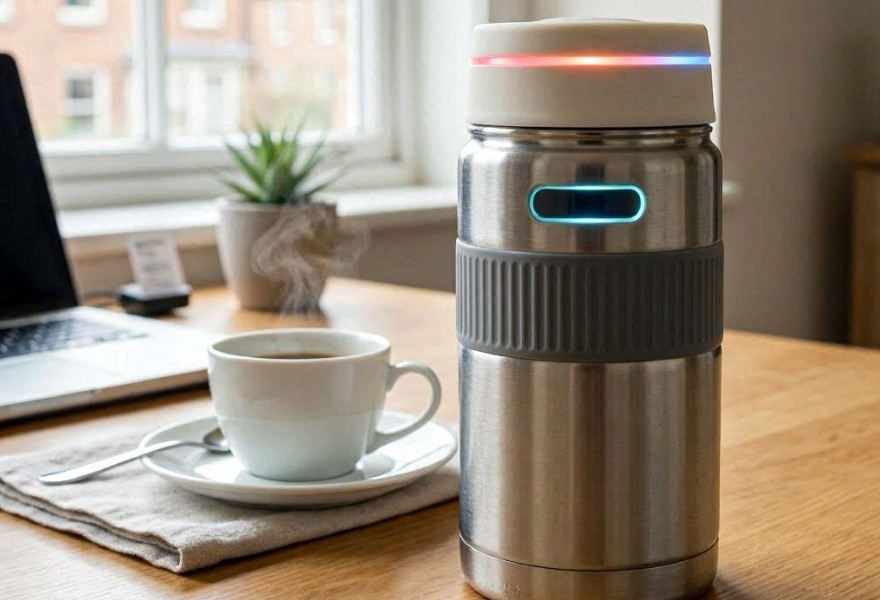
For centuries, the humble thermos has been a staple for travelers, commuters, and adventurers. Its fundamental purpose—to keep hot liquids hot and cold liquids cold—has remained largely unchanged since the invention of the vacuum flask in the late 19th century. However, the basic passive insulation offered by traditional stainless steel flasks has a significant limitation: it eventually succumbs to thermal equilibrium with the outside environment. Your coffee inevitably goes lukewarm, and your iced tea slowly loses its crisp chill. Today, we are witnessing a quiet revolution in personal hydration technology with the arrival of the smart thermos.
A smart thermos does more than just passively insulate; it actively manages the temperature of your drink. Through the integration of advanced thermal sensors, micro-heating elements, and intelligent software, these devices ensure that your beverage remains at your preferred temperature from the first sip to the last, regardless of how many hours have passed.
The Engineering Behind Thermal Perfection
The transition from a passive container to an active thermal management system requires a sophisticated blend of hardware and software. A smart thermos is essentially a mobile laboratory designed to combat the laws of thermodynamics.
Precision Sensor Technology
At the heart of every smart thermos is an array of highly accurate thermistors. These sensors are submerged or integrated into the inner lining of the flask, constantly monitoring the liquid temperature with a precision of 0.1 degrees Celsius. Unlike traditional thermoses that offer no feedback, a smart version provides real-time data, often displayed on an integrated OLED lid or synced directly to a smartphone app.
Active Heating and Cooling Cycles
While most models focus on maintaining heat, premium smart thermoses utilize thin-film heating elements wrapped around the inner vessel. When the onboard processor detects that the liquid is dipping below the target range—which the user can set via an app—it draws power from a high-density lithium-ion battery to gently bring the temperature back to the sweet spot. Advanced models even incorporate thermoelectric cooling systems (Peltier effect) to actively dissipate heat if the liquid becomes too hot or to maintain an icy temperature for cold beverages in the heat of summer.
Intelligent Features and User Experience
The "smart" aspect of these devices extends far beyond temperature regulation. Manufacturers are integrating features that cater to the modern, data-driven lifestyle, turning a simple vessel into a wellness companion.
App Integration and Personalized Profiles
Through Bluetooth connectivity, a smart thermos communicates with your smartphone. Users can create specific profiles for different beverages: a delicate green tea might require 70°C, while a robust dark roast coffee may be best at 85°C. The app remembers these preferences, automatically adjusting the heating cycles every time you fill the flask with that specific drink.
Hydration Tracking and Wellness
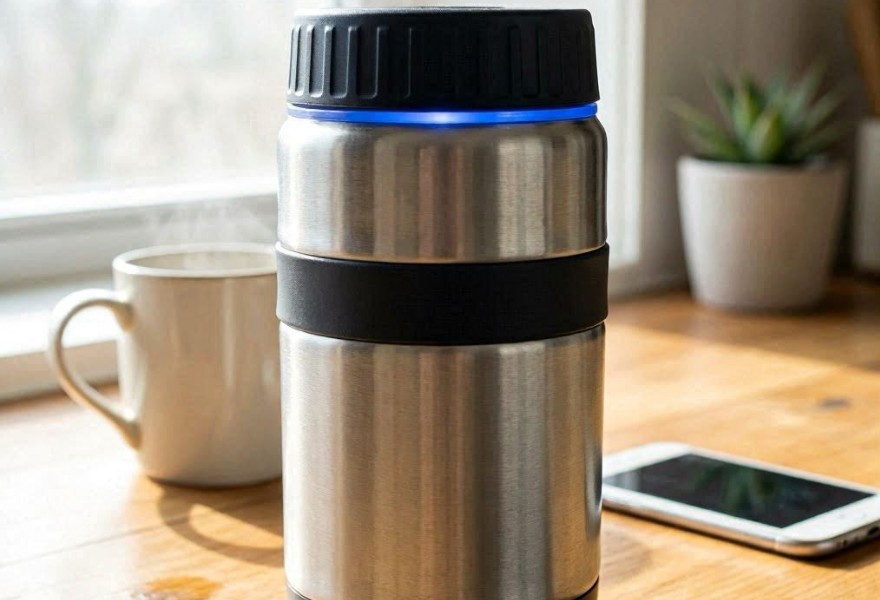
Modern smart thermoses do more than just manage heat; they manage your health. Integrated motion sensors and volume-flow algorithms track how much you have consumed throughout the day. If you fall behind on your hydration goals, the thermos can send a gentle notification to your phone or light up its LED ring to remind you to take a sip.
Sustainability and Convenience
Beyond the technological novelty, smart thermoses offer a compelling argument for sustainability. By keeping beverages at the ideal temperature for an extended duration, they eliminate the need to repeatedly reheat coffee or purchase single-use plastic bottles of cold water. Furthermore, the longevity of these devices is built into their design; high-quality materials such as aerospace-grade titanium and medical-grade silicone ensure that the electronics are protected from the harsh environments that often accompany outdoor use.
Conclusion
The smart thermos represents a significant leap forward in personal convenience and beverage science. By transforming an archaic product into a connected, active device, manufacturers have solved the age-old problem of temperature degradation. Whether you are a professional needing your morning coffee to remain perfect during a three-hour meeting or an athlete requiring precise electrolyte hydration, the smart thermos is rapidly becoming an essential tool for the modern lifestyle. As battery and thermal technology continue to evolve, we can expect these devices to become even more compact, efficient, and deeply integrated into our daily digital existence.