

In recent years, there has been a significant advancement in the field of Artificial Intelligence (AI) and Augmented Reality (AR). These technologies have become increasingly popular and have the potential to enhance virtual experiences in various fields such as gaming, education, healthcare, and...
A Smart Washing Machine Selects the Right Cycle Based on Fabric Composition
222
19.06.2026
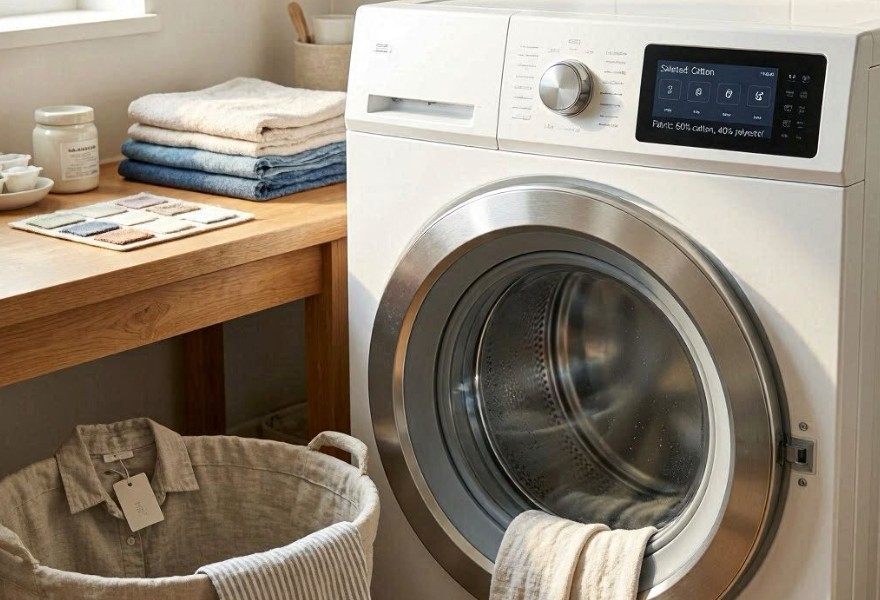
For decades, the process of doing laundry was largely a manual and often imprecise science. Users were expected to act as amateur chemists and material scientists, sorting clothes by color, estimating the weight of a load, and guessing which cryptic cycle on the control panel best suited the fabrics in the drum. This "trial and error" approach frequently led to shrinking expensive wool sweaters, fading delicate silks, or failing to properly clean heavy-duty synthetic materials. However, the era of guesswork is rapidly coming to an end with the advent of smart washing machines equipped with advanced AI fabric-sensing technology.
Modern smart washing machines have transitioned from simple rotating drums into highly sophisticated appliances capable of identifying material composition and adjusting their operational parameters in real time. This technological leap ensures that every garment receives the exact level of care required to maintain its longevity and cleanliness, fundamentally changing our relationship with household chores.
The Technology Behind Fabric Recognition
How does a machine "know" what it is washing? The answer lies in a combination of high-precision sensory arrays and machine learning algorithms. The core of this system is the integration of multiple data points that allow the machine to build a profile of the load before the water even hits the fabric.
Weight and Density Sensors
Upon starting a cycle, the drum rotates at a slow speed, allowing the machine to measure the load's weight and volume. Advanced load cells can determine the density of the items, distinguishing between a heavy, absorbent cotton towel and a light, airy synthetic blouse. This initial measurement sets the baseline for the machine's energy and water consumption.
AI-Driven Image and Pattern Analysis
The most revolutionary feature in premium smart washers is the inclusion of internal optical sensors or high-definition cameras. These sensors capture data about the texture, weave, and visual patterns of the garments. The built-in neural network compares this data against a massive database of fabric types—from linen and denim to silk and polyester blends. Through pattern recognition, the machine identifies the "fingerprint" of the material.
Optimizing the Cleaning Process
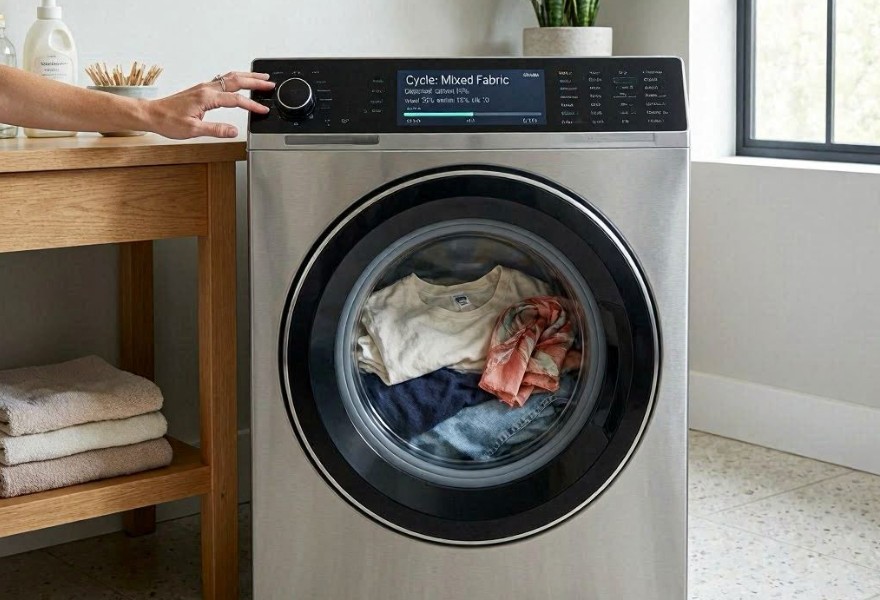
Once the machine has identified the fabric composition, it doesn't just start the standard "Normal" cycle. It dynamically generates a custom wash program that optimizes several critical variables:
Dynamic Parameter Adjustments
- Temperature Control: The system lowers water temperatures for synthetic fibers to prevent heat damage, while increasing it for whites to effectively remove stains.
- Agitation and Drum Motion: For delicate items, the machine switches to a gentle "swaying" motion. For heavy cottons, it employs a vigorous scrubbing action to dislodge deep-set dirt.
- Detergent Dispensing: Many smart machines are connected to internal tanks that automatically release the precise amount of detergent based on the fabric's needs, preventing chemical residue buildup.
The Benefits for the Consumer
The integration of fabric intelligence offers clear, tangible advantages to the modern homeowner that go beyond simple convenience.
Longevity and Sustainability
The primary benefit is the preservation of clothing. By treating every fabric with the appropriate care, the machine prevents fiber breakage and color bleeding, significantly extending the lifespan of a wardrobe. From a sustainability perspective, the smart washing machine is a powerhouse. Because it calculates the exact amount of water and detergent needed based on the composition, it eliminates waste, leading to lower utility bills and a smaller environmental footprint.
Simplification of Daily Life
The "mental load" of household management is reduced when the machine takes over the decision-making process. For users with busy lives, the ability to throw a mixed load into the drum and trust that the machine will handle the differentiation is a significant improvement in quality of life.
Looking Toward the Future
As these algorithms become more refined, we are likely to see the integration of radio-frequency identification (RFID) tags in garment labels. In this near-future scenario, the washing machine will communicate directly with the clothes themselves, reading the care instructions encoded in a tag and executing the perfect cycle with 100% accuracy. Until that standard becomes universal, current AI-driven sensing remains the gold standard for fabric care.
Conclusion
The smart washing machine is no longer a luxury; it is a practical tool for modern living. By leveraging artificial intelligence to understand the composition of what we wear, these appliances ensure that our clothes stay as clean and durable as the day we bought them. Through superior sensor technology and algorithmic decision-making, we are finally moving past the era of ruined laundry, allowing the technology to do the hard work for us.