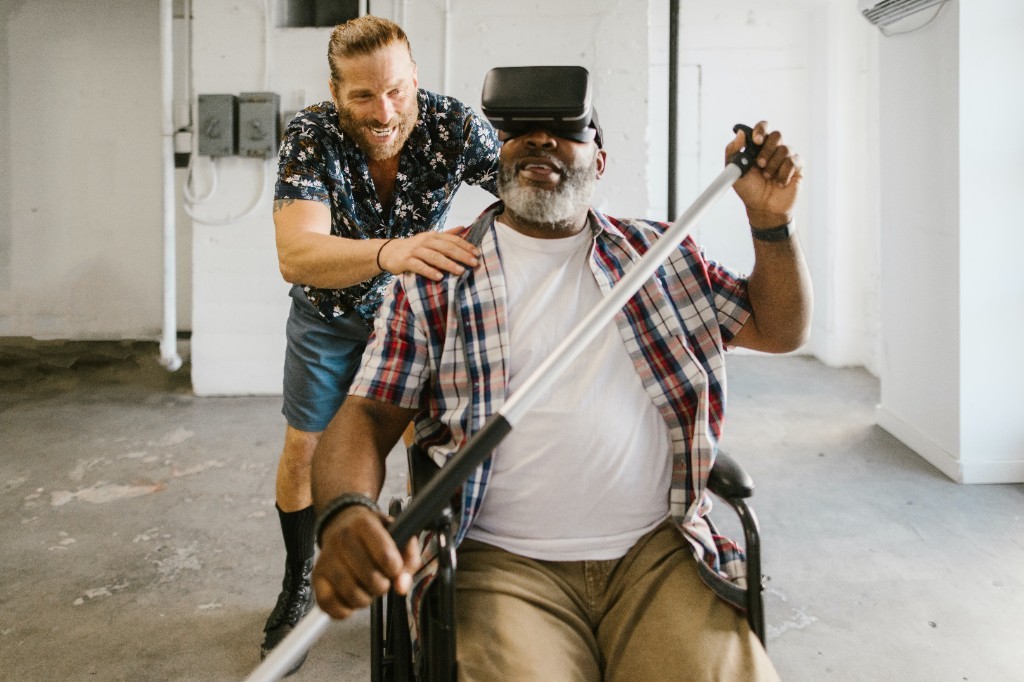

In recent years, there has been a significant advancement in the field of Artificial Intelligence (AI) and Augmented Reality (AR). These technologies have become increasingly popular and have the potential to enhance virtual experiences in various fields such as gaming, education, healthcare, and...
AI Algorithm Detects Errors in Medical Prescriptions
1152
24.02.2026
The Critical Problem of Prescription Errors
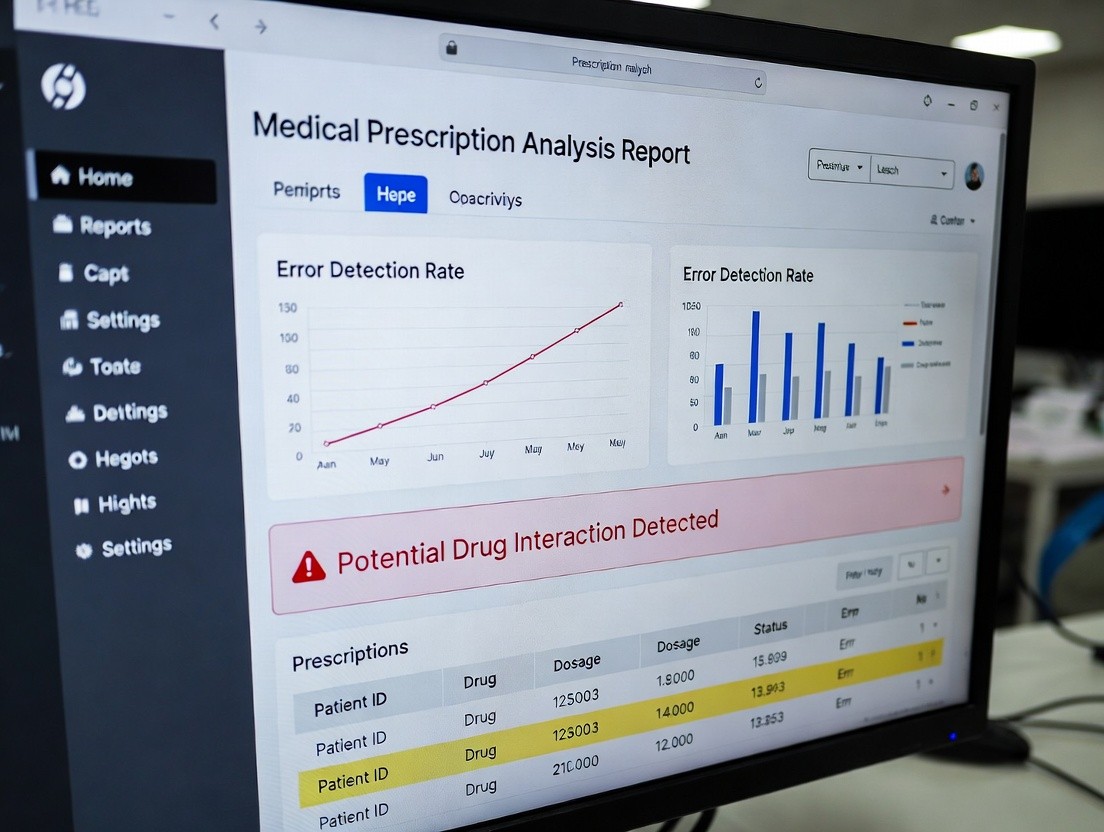
Prescription errors represent a significant healthcare crisis, causing thousands of adverse events annually. Doctors, despite years of training, make mistakes when writing prescriptions due to fatigue, distraction, or simple human oversight. These errors can result in incorrect drug dosages, dangerous drug interactions, or medications inappropriate for specific patient conditions.
How AI Detects Prescription Mistakes
Machine Learning Foundation
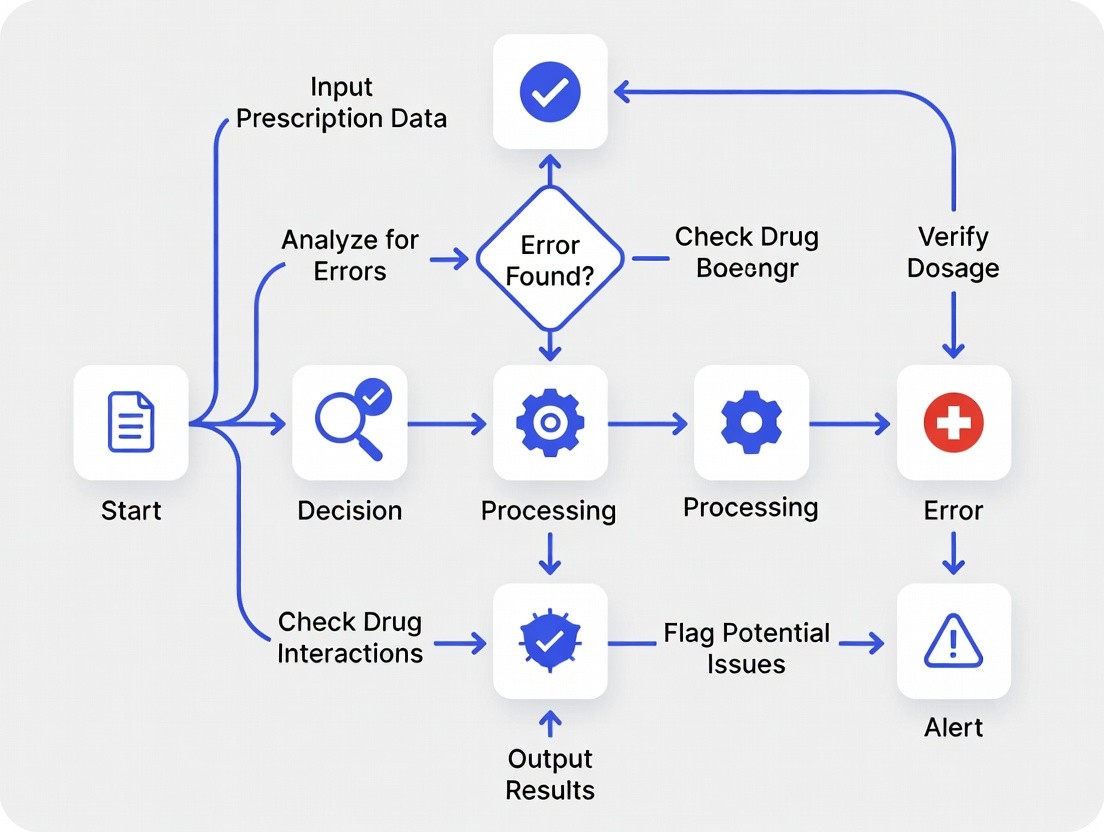
Advanced artificial intelligence systems are trained on millions of correctly written prescriptions and known error patterns. The algorithm learns to recognize common mistakes including dosage miscalculations, contraindicated drug combinations, and allergic reaction risks. This training enables the system to catch errors humans might overlook.
Real-Time Analysis
When doctors enter prescriptions into hospital or pharmacy systems, the AI algorithm analyzes the data instantaneously. It checks each prescription against established medical guidelines, drug interaction databases, and patient-specific information including age, weight, and existing conditions.
Types of Errors Detected
Common Prescription Mistakes
- Incorrect dosage calculations for pediatric or elderly patients
- Dangerous drug-drug interactions
- Allergies not considered during medication selection
- Duplicate medications prescribed simultaneously
- Medications contraindicated with existing patient conditions
- Incorrect administration routes or frequencies
- Over-the-counter interactions with prescribed medications
Implementation in Healthcare Settings
Integration with Hospital Systems
Major hospitals have integrated prescription-checking algorithms into their electronic health records systems. When an error is detected, the system alerts the prescribing physician immediately, allowing for correction before the prescription reaches the pharmacy. This intervention point prevents patient harm effectively.
Pharmacy Integration
Pharmacies also employ similar technology. When prescriptions arrive, pharmacists receive AI-generated alerts about potential problems. This dual-layer approach ensures errors are caught regardless of the source.
Impact on Patient Safety
Reduction in Adverse Events
Hospitals implementing AI prescription-checking systems report 30-50% reductions in medication errors. This improvement directly translates to fewer hospitalizations, reduced patient suffering, and improved outcomes. Some facilities have reported complete elimination of certain types of preventable errors.
Economic Benefits
Beyond preventing harm, these systems reduce healthcare costs. Medication errors often require additional treatment, extending hospital stays and increasing medical expenses. By preventing errors before they occur, hospitals save millions annually while improving patient care.
Challenges and Limitations
Despite remarkable success, AI prescription-checking systems face challenges. Complex cases with multiple comorbidities require nuanced medical judgment that algorithms still struggle with. Additionally, the algorithms must continuously update as new medications and drug interactions are discovered, requiring constant maintenance and improvement.
Future Directions
Next-generation systems will incorporate genomic information, allowing personalized dosage recommendations based on individual genetic factors affecting drug metabolism. Integration with wearable devices will provide real-time patient monitoring, enabling the algorithm to adjust medication recommendations dynamically.
Conclusion
AI algorithms detecting prescription errors represent a critical advancement in patient safety. By catching mistakes that human physicians might miss, these systems prevent adverse events and save lives. As technology continues developing, prescription-checking algorithms will become increasingly sophisticated, potentially eliminating most preventable medication errors in healthcare systems.