

In recent years, there has been a significant advancement in the field of Artificial Intelligence (AI) and Augmented Reality (AR). These technologies have become increasingly popular and have the potential to enhance virtual experiences in various fields such as gaming, education, healthcare, and...
AI Algorithm Predicts African Droughts Months in Advance
1098
02.03.2026
Early Warning Systems Transform Disaster Management
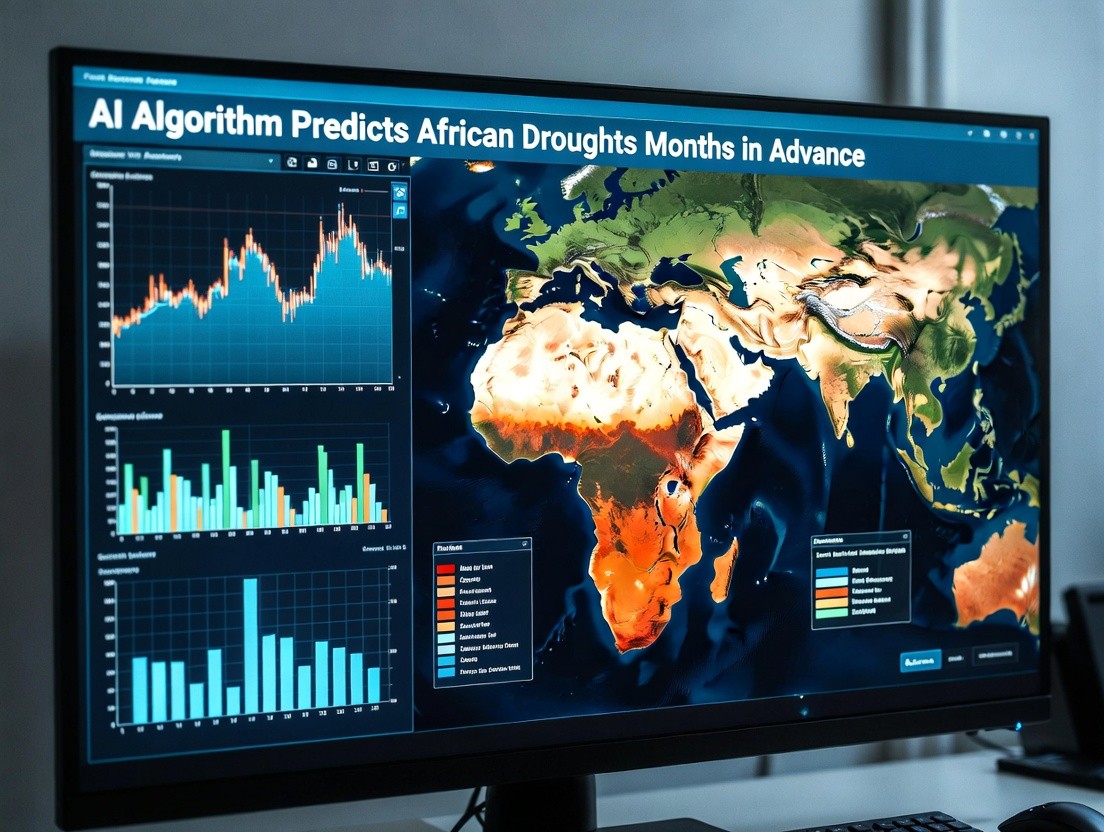
Drought remains one of the most devastating natural disasters affecting African nations, causing widespread food insecurity, famine, economic disruption, and humanitarian crises. A revolutionary breakthrough in artificial intelligence now enables researchers to predict severe drought conditions three to six months before they develop, providing crucial time for governments and organizations to implement preventive measures and prepare resources.
The Problem: Inadequate Warning Systems
Historical Challenges
Traditional drought prediction methods rely primarily on meteorological observations and seasonal forecasting, typically providing only a few weeks of advance notice. This short timeframe leaves insufficient opportunity for governments to mobilize resources, establish food reserves, implement irrigation solutions, or facilitate population migration. The consequences have been catastrophic, with major droughts causing famines that claim hundreds of thousands of lives.
Complex Causation
Droughts result from complex interactions between multiple factors including ocean temperature patterns, atmospheric circulation systems, soil moisture conditions, vegetation indices, and historical precipitation records. The intricate relationships between these variables make accurate long-range prediction extremely difficult using traditional statistical methods.
How AI Prediction Works
Data Integration and Processing
Advanced machine learning algorithms integrate vast datasets from multiple sources to predict drought conditions. Input data includes:
- Sea surface temperature readings from multiple ocean regions
- Atmospheric pressure and wind pattern measurements
- Satellite imagery showing vegetation health and soil moisture
- Historical climate and precipitation records spanning decades
- Local topographical and geographical data
- Current reservoir and water table information
Machine Learning Architecture
Deep neural networks and ensemble machine learning models have proven particularly effective at identifying complex patterns in climate data. These algorithms learn relationships between ocean conditions, atmospheric patterns, and subsequent precipitation deficits across different regions and seasons. The systems improve continuously as new data becomes available.
Prediction Accuracy and Performance
Remarkable Accuracy Rates
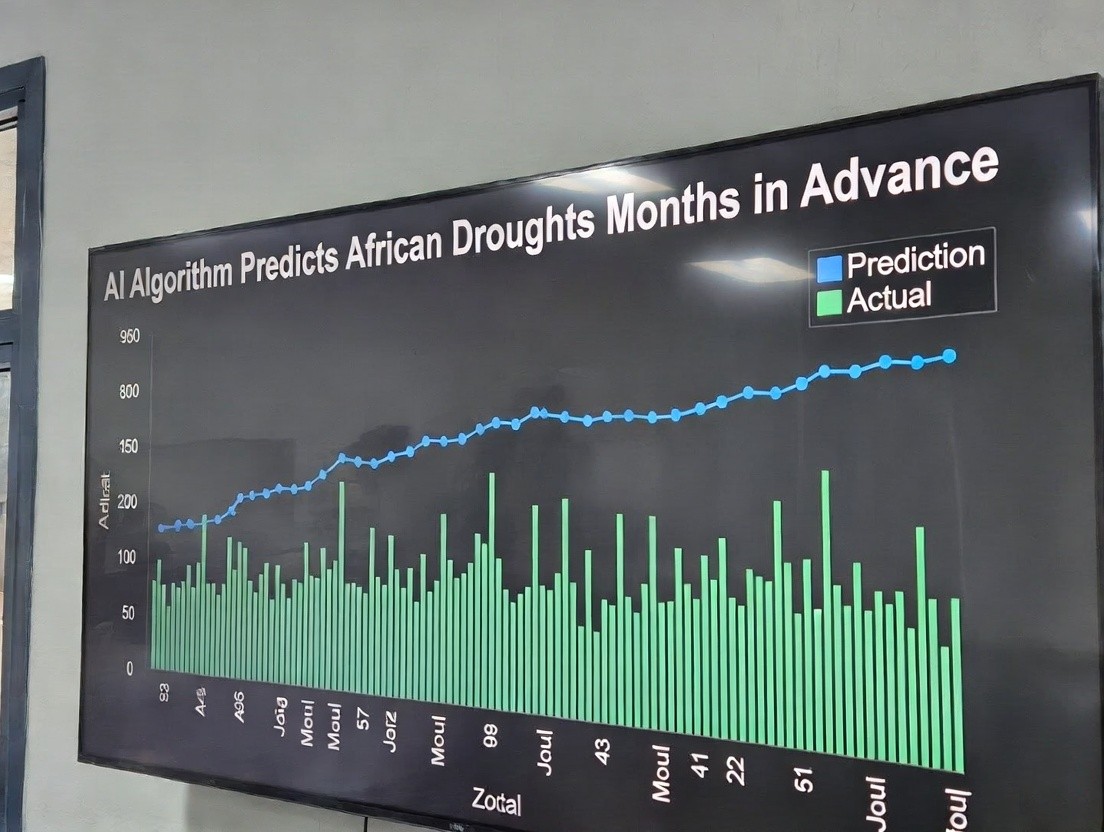
Current AI systems achieve accuracy rates exceeding eighty percent when predicting severe drought conditions three to four months in advance. For shorter prediction windows of two to three months, accuracy reaches over ninety percent. These performance levels dramatically exceed traditional forecasting methods and represent genuinely actionable intelligence.
Regional Variations
Different African regions have distinct climate patterns and predictability characteristics. The Sahel region, East Africa, and Southern Africa each respond differently to global climate drivers. Machine learning systems trained specifically for individual regions provide substantially better predictions than generic continental models.
Real-World Implementation and Impact
Early Intervention Programs
Nations utilizing these predictions have implemented remarkably successful drought mitigation strategies. When advance warning indicates significant drought risk, governments can establish strategic grain reserves, pre-position emergency food supplies, prepare water trucking infrastructure, and plan agricultural interventions well before crisis conditions develop.
Case Studies and Results
Several African countries have successfully deployed AI drought prediction systems. These implementations have demonstrated the ability to prevent humanitarian disasters before they occur. Early warning has enabled implementation of water conservation measures, irrigation system preparation, livestock migration planning, and social safety net expansion that protects vulnerable populations from the worst drought impacts.
Economic Benefits
The economic benefits of drought prediction extend beyond humanitarian considerations. Farmers can adjust planting decisions, governments can manage water resources more efficiently, and international aid organizations can allocate resources more effectively. Studies indicate that accurate drought prediction could prevent economic losses measured in billions of dollars annually.
Technical Challenges and Solutions
Data Quality Issues
African regions often have limited ground-based weather monitoring infrastructure, creating challenges for data collection. Machine learning systems compensate by leveraging satellite data, which provides comprehensive coverage even in areas with few traditional weather stations. However, filling data gaps requires sophisticated imputation techniques.
Climate Change Complexity
As climate patterns shift due to global warming, historical climate relationships become less reliable predictors of future conditions. Advanced algorithms are being adapted to identify and account for changing climate dynamics, ensuring predictions remain accurate as weather patterns evolve.
Future Development and Scaling
Researchers are working to extend prediction accuracy to nine to twelve month horizons, which would enable even more comprehensive preparation strategies. Integration with climate models and seasonal forecast systems may further improve long-range drought prediction capabilities. As computational infrastructure improves across African nations, deployment of these predictive systems will become increasingly widespread.
Conclusion
AI-driven drought prediction represents a transformative tool for preventing humanitarian crises and protecting African communities from devastating climate impacts. By providing months of advance warning, these algorithms enable proactive drought mitigation that saves lives, preserves livelihoods, and maintains economic stability. As technology continues advancing and becomes more widely deployed, artificial intelligence may finally shift the balance from reactive drought response to preventive drought management across the African continent.