
In recent years, there has been a significant advancement in the field of Artificial Intelligence (AI) and Augmented Reality (AR). These technologies have become increasingly popular and have the potential to enhance virtual experiences in various fields such as gaming, education, healthcare, and...
AI Ancestry Revolution: Neural Networks Reconstruct Ancestors from DNA
1135
03.03.2026
Introduction to AI-Generated Ancestry Portraits
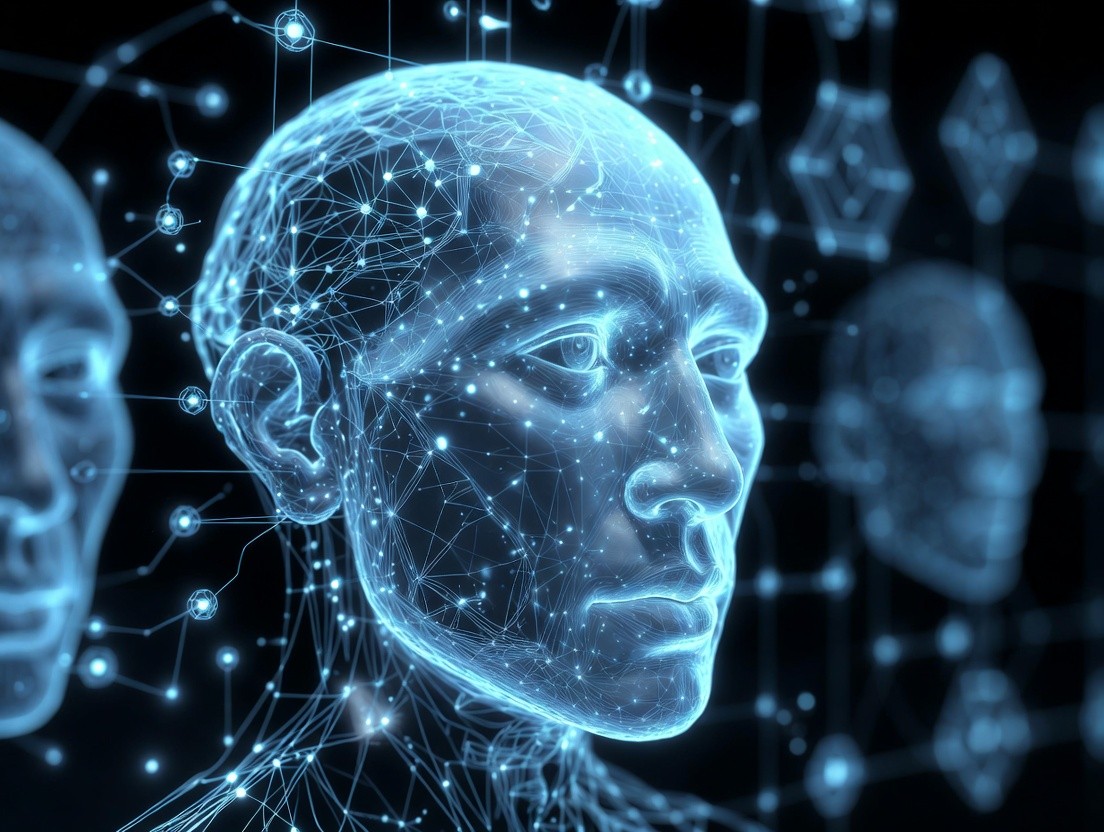
In a fascinating convergence of genetics and artificial intelligence, a revolutionary neural network system can now generate visual portraits of a person's ancestors based solely on their DNA. This innovative technology combines deep learning image generation with genetic science to produce remarkably accurate reconstructions of ancestors who lived generations ago. The system offers genealogy enthusiasts and researchers an unprecedented way to connect with their family history.
The Science Behind Ancestor Reconstruction
Genetic Phenotype Prediction
The neural network analyzes DNA sequences to predict physical characteristics called phenotypes. By examining specific genetic markers associated with facial features, hair color, eye color, and skin tone, the AI builds a detailed profile of physical traits. The system uses genetic research from thousands of individuals to establish reliable correlations between DNA sequences and visible characteristics.
Deep Learning Image Generation
Generative adversarial networks (GANs) work in conjunction with genetic analysis to create realistic facial portraits. The system begins with phenotype predictions and uses sophisticated image synthesis algorithms to generate realistic human faces that match the predicted characteristics. The result is a portrait that reflects the genetic inheritance from multiple ancestors.
How the Technology Works
DNA Analysis Process
Users provide a DNA sample through simple cheek swabs or saliva collection. The genetic material is sequenced and analyzed to extract relevant information. The system examines:
- Facial structure and bone density genes
- Eye color determination genes
- Hair color and texture genes
- Skin pigmentation genes
- Height and build proportion genes
Multi-Generational Portrait Generation
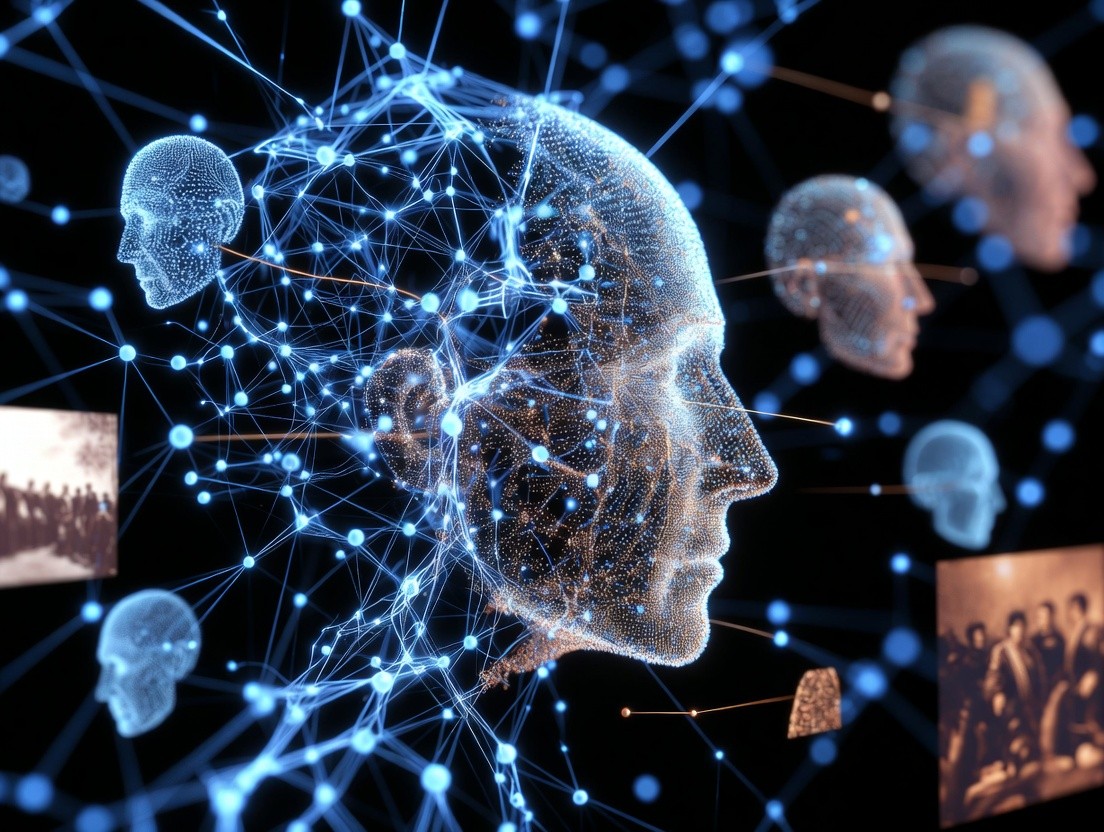
The technology can reconstruct portraits of ancestors spanning multiple generations. By analyzing genetic markers and inheritance patterns, the system can show what great-grandparents, great-great-grandparents, and even more distant ancestors likely appeared. Users receive a timeline of ancestor portraits showing how physical features changed across generations.
Applications and Uses
Genealogy and Family History
For genealogy enthusiasts, the technology provides visual connection to ancestors beyond names and dates. Family members can see actual faces associated with the names they've researched, deepening emotional connections to their heritage and family stories.
Historical Research
Anthropologists and historians can use the technology to reconstruct portraits of historical figures for whom no visual records exist. By analyzing DNA from descendants of historical individuals, researchers can generate accurate representations of how people looked in ancient times.
Cultural Heritage Preservation
Indigenous communities and ethnic groups can use ancestor portraits to preserve and celebrate cultural heritage. The visual documentation of ancestral appearance helps maintain cultural identity and connects younger generations to their roots.
Accuracy and Reliability
Scientific Validation
The system has been tested against known historical photographs and genetic databases. When applied to individuals with documented ancestors, the generated portraits show strong resemblance to historical photographs, validating the underlying genetic predictions and image generation algorithms.
Probability and Uncertainty
The system is transparent about limitations and probabilities. Each portrait comes with confidence ratings indicating how certain the predictions are for specific features. Users understand that generated portraits represent probable appearance based on genetic data rather than guaranteed photographic accuracy.
Ethical Considerations
Privacy and Data Security
Genetic data represents deeply personal information. The system uses advanced encryption and follows strict data protection protocols. Users maintain ownership of their genetic information, and companies operating the service commit to never selling data or using it for purposes beyond portrait generation.
Consent and Control
Users have complete control over which genetic information is analyzed and how results are shared. Individuals can choose whether to share ancestor portraits publicly, keep them private, or delete all data after portrait generation.
Future Development
Researchers continue improving the accuracy of phenotype prediction and image generation. Future versions may incorporate historical context, adjusting portraits based on likely clothing and styling from different time periods. The technology may also expand to reconstruct body shape and other physical characteristics beyond facial features.
Conclusion
The neural network technology for reconstructing ancestor portraits represents a remarkable achievement in combining genetics with artificial intelligence. By bridging genealogical research with visual representation, the system enables people to connect with their family history in meaningful and personal ways. This innovation demonstrates how AI can serve not only practical scientific purposes but also deeply human desires to understand and celebrate our heritage and family connections.