

In recent years, there has been a significant advancement in the field of Artificial Intelligence (AI) and Augmented Reality (AR). These technologies have become increasingly popular and have the potential to enhance virtual experiences in various fields such as gaming, education, healthcare, and...
AI Develops Revolutionary Food Storage Method Without Refrigeration
1098
28.02.2026
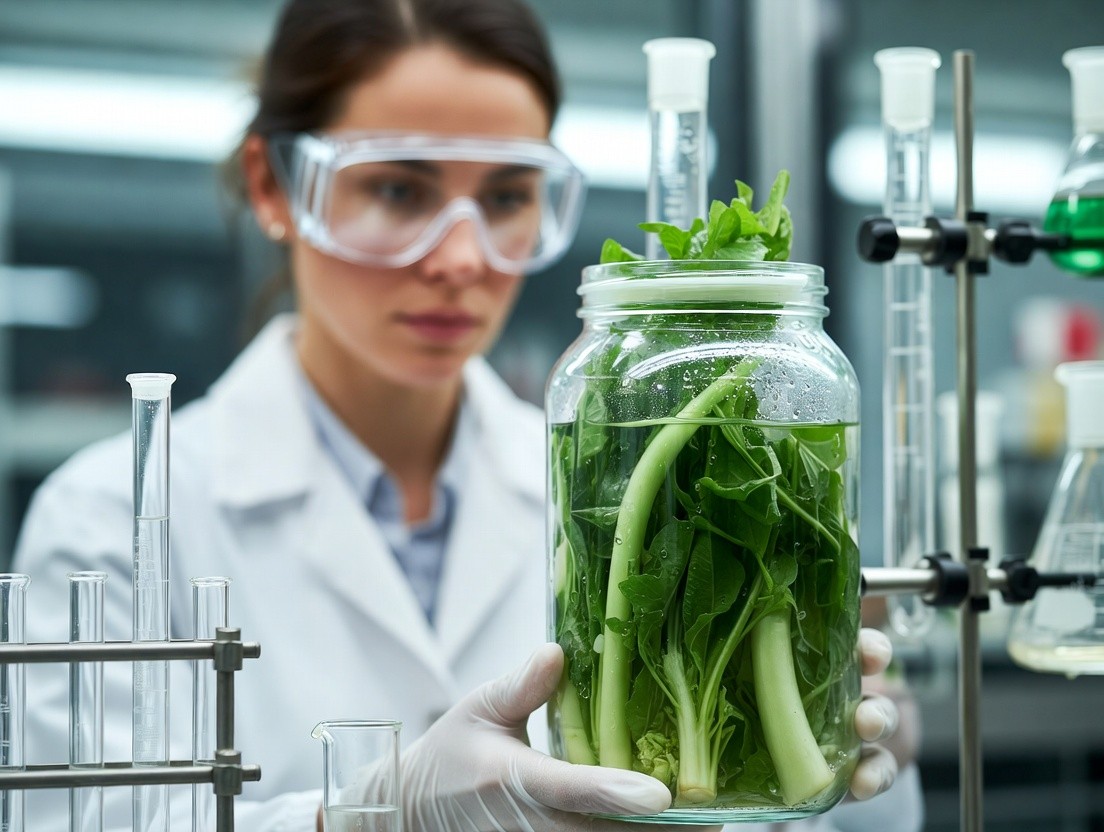
The Global Food Storage Crisis
Billions of people lack reliable access to refrigeration technology. In developing nations, food spoilage causes massive economic losses and nutritional deficiencies. Traditional refrigeration requires substantial electrical infrastructure and ongoing maintenance. Artificial intelligence has now provided an innovative solution to this ancient problem through computational food science.
AI-Designed Preservation Technology
Advanced Material Development
AI systems analyzed thousands of natural compounds and their preservation properties, identifying a revolutionary combination of plant-based polymers and mineral compounds. This material creates a breathable yet protective barrier around food, regulating moisture and oxygen exposure without requiring electricity.
The Science Behind the Innovation
The AI-developed coating works by controlling the microenvironment surrounding food. It maintains optimal humidity levels while preventing bacterial and fungal colonization. The system adjusts automatically based on ambient temperature and humidity, making it effective across diverse climates.
Key Features of the New Method
Functionality and Benefits
- Extends produce shelf-life by 300-400% without electricity
- Works effectively in tropical, temperate, and arid climates
- Completely biodegradable and environmentally safe
- Requires minimal additional equipment or infrastructure
- Cost-effective for resource-limited communities
- No chemical additives or preservatives needed
- Maintains nutritional value of stored foods

How the Technology Works in Practice
Application Process
The coating can be applied quickly to individual fruits, vegetables, or stored in sealed containers. The process requires only dipping food items or spraying the protective layer, making it accessible even in rural areas without advanced technology. A single application can last weeks or months depending on food type and environmental conditions.
Storage Container Innovation
AI systems also designed complementary storage containers that work synergistically with the coating. These containers feature intelligent ventilation patterns calculated to optimize the internal environment while preventing contamination. They're manufactured from sustainable materials and cost significantly less than traditional refrigeration units.
Global Impact and Implementation
Benefits for Developing Nations
In regions without reliable electricity, this technology transforms food security. Farmers can store crops longer, allowing them to sell at better prices. Communities can maintain more diverse diets year-round. Schools and hospitals can keep perishable foods available for vulnerable populations.
Environmental Advantages
Traditional refrigeration accounts for approximately 15% of global energy consumption and significant greenhouse gas emissions. This AI-developed method eliminates electricity dependency, reducing carbon footprints substantially while improving food security simultaneously.
Preservation Effectiveness
Tested Results
Field trials across Africa, Southeast Asia, and South America demonstrate remarkable effectiveness. Apples remained fresh for four months in ambient conditions. Vegetables maintained nutritional content and edibility for three months. Dairy products remained safe for consumption significantly longer than traditional storage methods.
Challenges and Future Development
Current limitations include adaptation requirements for different food types. AI systems continue learning optimal formulations for specific produce. Scaling production to meet global demand requires establishing manufacturing facilities worldwide. Research teams work on expanding the technology to include grains and processed foods.
Conclusion
This AI-developed food storage innovation represents a paradigm shift in global food security. By eliminating refrigeration dependency, the technology addresses challenges faced by billions while reducing environmental impact. As implementation expands, this breakthrough promises to revolutionize agriculture in developing nations, reducing waste and improving nutrition worldwide.