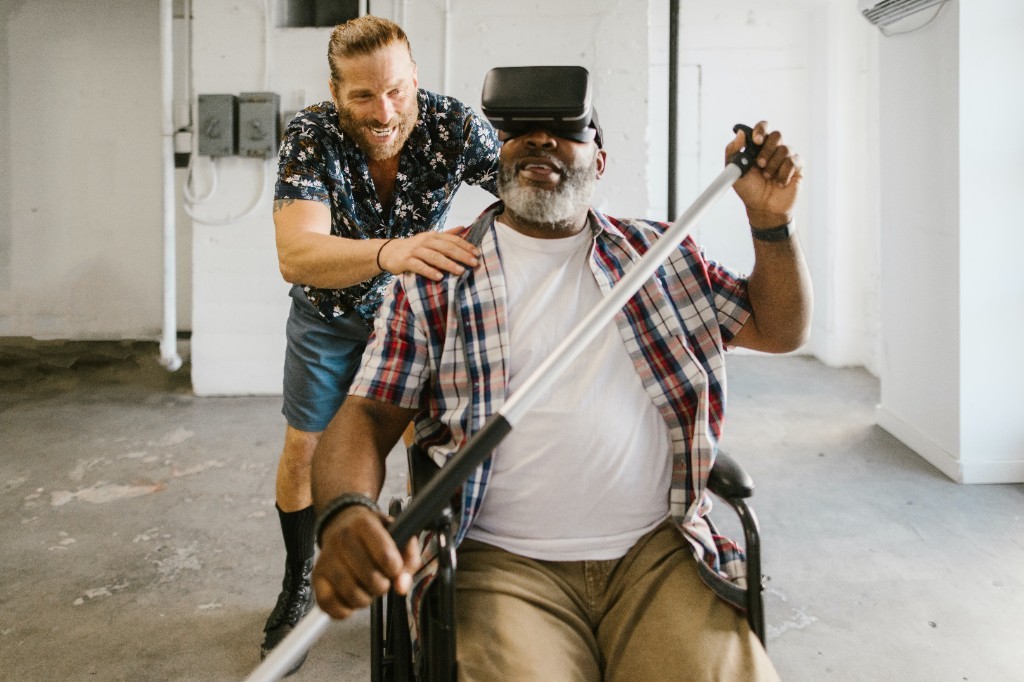

In recent years, there has been a significant advancement in the field of Artificial Intelligence (AI) and Augmented Reality (AR). These technologies have become increasingly popular and have the potential to enhance virtual experiences in various fields such as gaming, education, healthcare, and...
AI Helps Builders Detect Building Defects Before Disasters Strike
680
18.01.2026
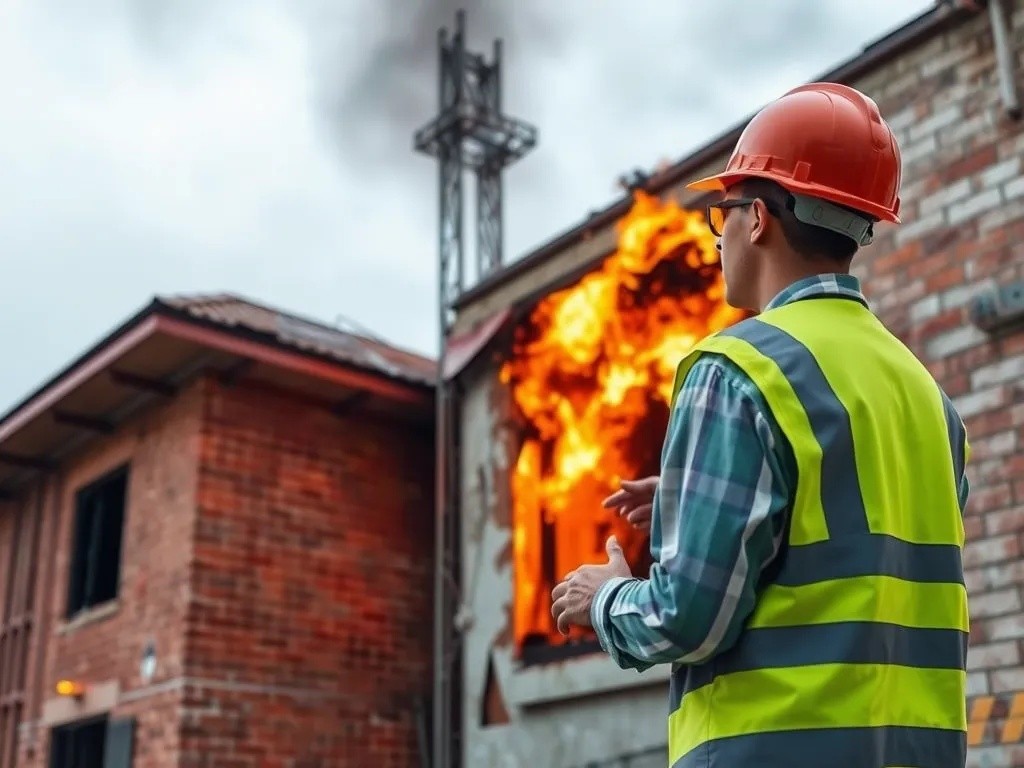
The construction industry is experiencing a technological revolution that promises to save lives and prevent costly structural failures. Artificial intelligence systems are now capable of detecting building defects long before they become visible to the human eye, offering unprecedented levels of safety and reliability in modern construction projects.
The Growing Need for Intelligent Inspection Systems
Traditional building inspections rely heavily on human expertise and visual assessment. While experienced inspectors can identify many problems, some defects remain hidden within walls, foundations, or structural elements until they cause serious damage. According to industry estimates, structural failures cost billions of dollars annually and, more importantly, put human lives at risk.
This is where artificial intelligence enters the picture. By combining advanced sensors, drone technology, and sophisticated machine learning algorithms, construction companies can now detect problems that would otherwise go unnoticed for years.
How AI Detection Technology Works
Data Collection Methods
Modern AI inspection systems gather information through multiple channels:
- Thermal imaging cameras that detect temperature variations indicating moisture intrusion or insulation failures
- Ultrasonic sensors that identify cracks and voids within concrete structures
- High-resolution cameras mounted on drones for comprehensive exterior surveys
- Ground-penetrating radar for foundation and subsurface analysis
- Vibration sensors that monitor structural integrity over time
Machine Learning Analysis
Once data is collected, AI algorithms process the information to identify patterns associated with structural problems. These systems have been trained on thousands of examples of building defects, allowing them to recognize early warning signs that human inspectors might miss. The software can detect microscopic cracks, subtle shifts in load-bearing elements, and early signs of material degradation.
Real-World Applications and Success Stories
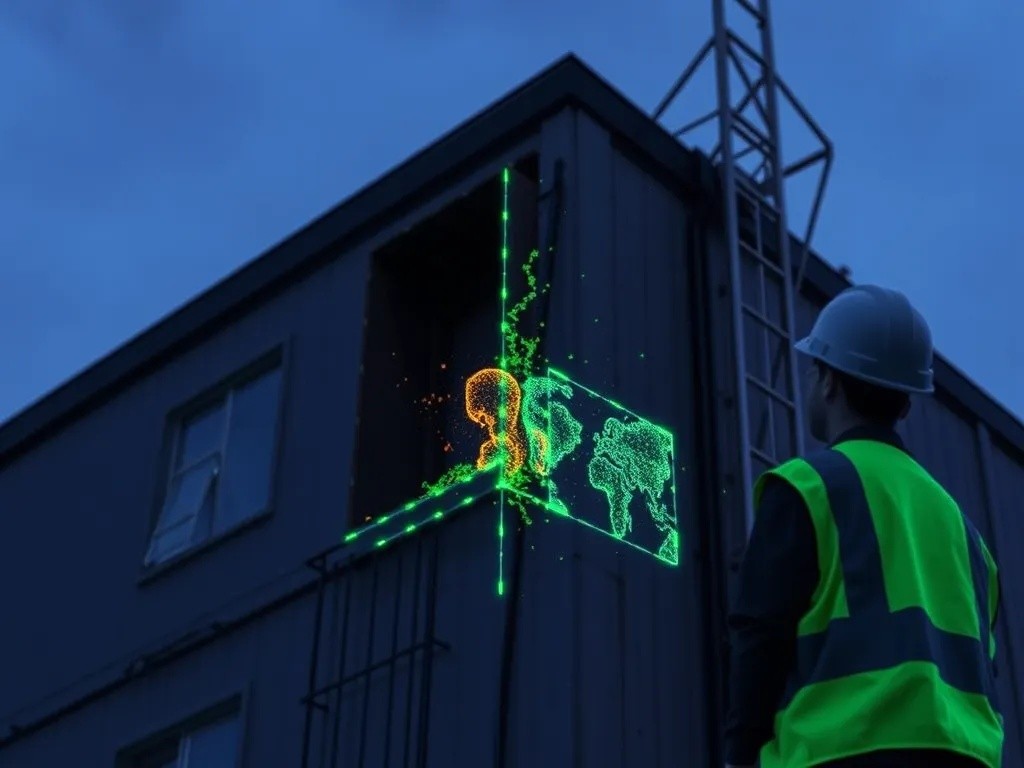
Several construction firms have already implemented AI inspection systems with remarkable results. In one notable case, an AI system identified foundation settling in a commercial building that traditional inspections had cleared as safe. The early detection allowed engineers to reinforce the structure before any visible damage occurred, potentially preventing a catastrophic collapse.
Another application involves bridge monitoring. AI systems continuously analyze sensor data from bridges, detecting fatigue in steel components and concrete deterioration. This constant surveillance replaces periodic manual inspections and provides real-time alerts when problems develop.
Benefits for the Construction Industry
Enhanced Safety Standards
The primary benefit of AI-powered inspection is improved safety. By catching defects early, construction companies can address problems before they endanger building occupants or workers. This proactive approach represents a fundamental shift from reactive maintenance to predictive prevention.
Cost Savings and Efficiency
While AI inspection systems require initial investment, they ultimately reduce costs by identifying problems when repairs are still simple and inexpensive. Addressing a small crack costs a fraction of what structural reconstruction would require after a major failure.
Documentation and Compliance
AI systems generate comprehensive reports that document building conditions over time. This digital record helps companies demonstrate compliance with safety regulations and provides valuable data for insurance purposes.
Challenges and Future Development
Despite its promise, AI building inspection faces several challenges. The technology requires significant training data to achieve accuracy across different building types and materials. Additionally, integrating AI systems with existing construction workflows demands changes in how companies approach project management.
Looking ahead, researchers are developing even more sophisticated systems that combine multiple AI technologies. Future platforms may integrate augmented reality displays that show inspectors exactly where problems exist within structures, making repairs faster and more precise.
Conclusion
Artificial intelligence is transforming building safety from a reactive discipline into a predictive science. As these technologies become more accessible and affordable, we can expect safer buildings, fewer structural failures, and ultimately, saved lives. The construction industry stands at the threshold of a new era where intelligent machines work alongside human experts to create structures that are not only impressive but genuinely safe for generations to come.