

In recent years, there has been a significant advancement in the field of Artificial Intelligence (AI) and Augmented Reality (AR). These technologies have become increasingly popular and have the potential to enhance virtual experiences in various fields such as gaming, education, healthcare, and...
AI Learned to Detect Counterfeit Banknotes Using a Smartphone
28
06.09.2026
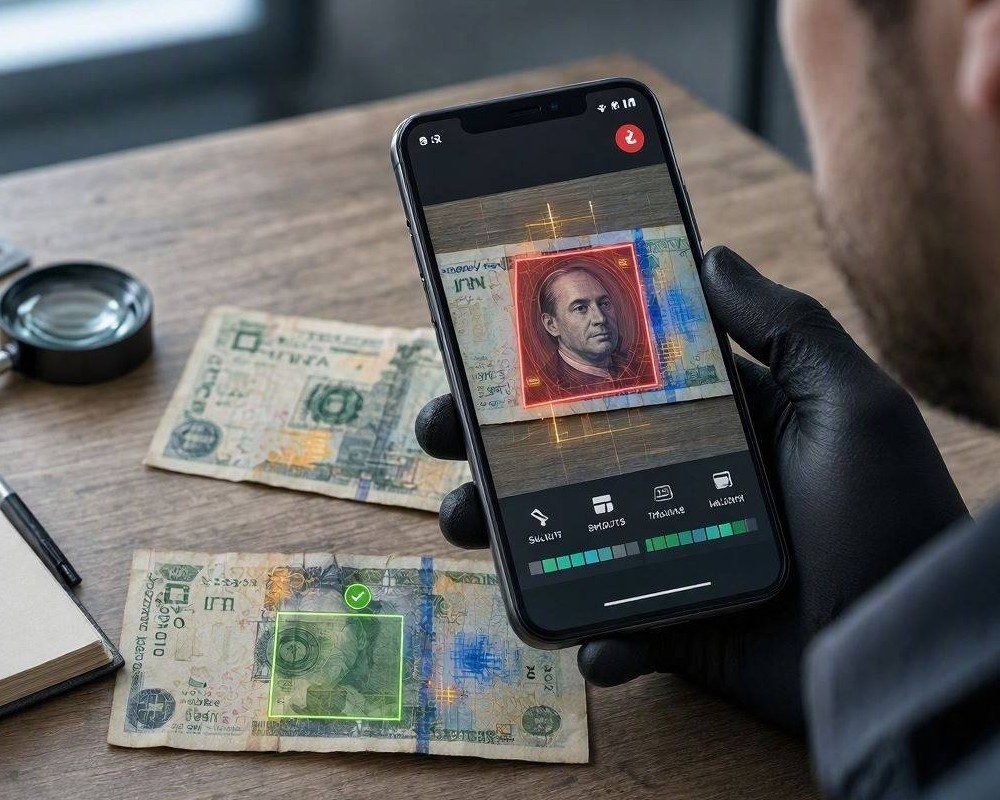
Counterfeit banknotes remain a serious problem for retailers, financial institutions, and consumers. Professional currency detectors can identify suspicious cash, but they are not always available in small shops, taxis, markets, or private transactions. Artificial intelligence offers a more accessible option: analyzing a banknote with an ordinary smartphone camera. Emerging systems use computer vision to recognize printing defects, inconsistent patterns, and missing security details within seconds.
How Smartphone AI Examines Banknotes
An AI counterfeit detection system treats each banknote as a collection of visual features. After a user photographs the note, the software corrects perspective, adjusts brightness, removes background elements, and locates the currency’s main regions. A trained machine-learning model then compares those regions with patterns learned from images of genuine and counterfeit notes.
Patterns Invisible to Casual Inspection
People commonly check a portrait, denomination, or watermark. AI can inspect many more details simultaneously, including line spacing, color transitions, serial-number alignment, microprinting, edge quality, and the position of security elements. High-resolution smartphone cameras may reveal subtle irregularities caused by low-quality printers, inaccurate inks, or imperfect reproduction techniques.
From Image to Risk Score
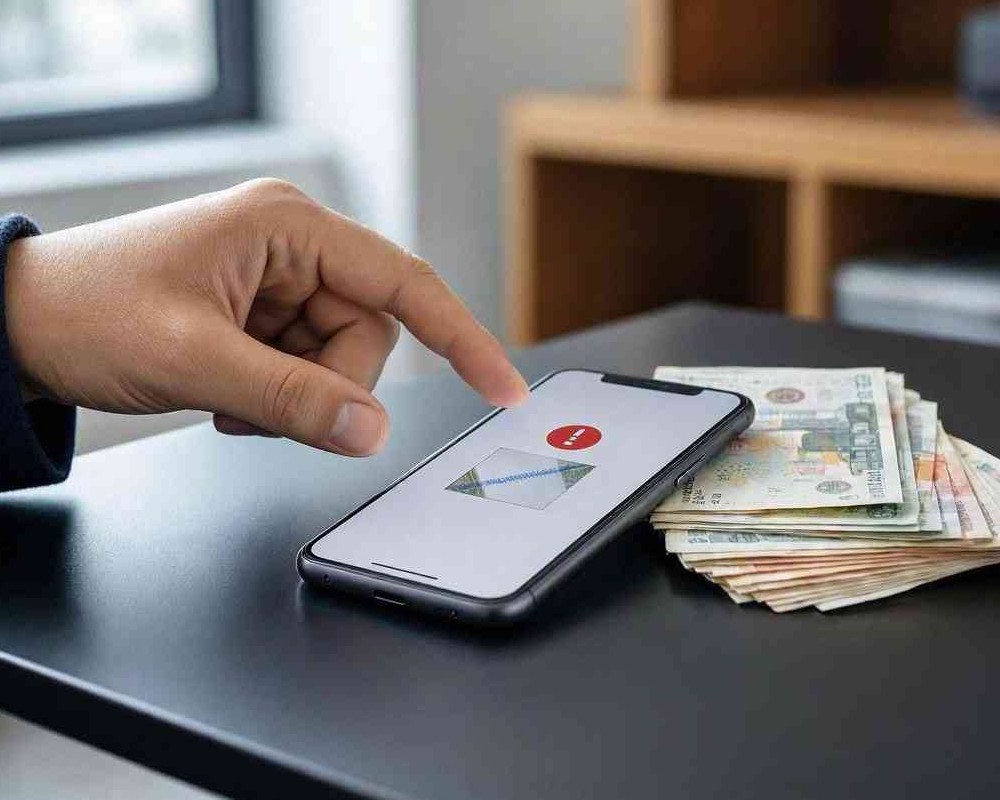
The model does not simply search for an identical reference image. It evaluates whether the photographed note matches the expected structure of its denomination and currency series. The result may appear as a confidence score, a warning, or a request to capture another image. Responsible applications should describe a note as suspicious rather than declare it legally counterfeit.
What Happens During a Smartphone Check
A practical verification process can be completed in a few steps:
- Capture the banknote: The user places it on a plain surface under even lighting and photographs both sides when requested.
- Validate image quality: The app checks focus, glare, shadows, cropping, and camera angle before beginning the analysis.
- Analyze security regions: AI reviews predefined areas and detects deviations from authentic examples.
- Display guidance: The system reports its confidence and recommends manual inspection or professional verification when necessary.
Why Training Data Matters
Detection accuracy depends heavily on the dataset. Developers need photographs of authentic and counterfeit notes captured with different phones, backgrounds, angles, and lighting conditions. The data must also represent worn, folded, stained, and partially damaged currency. Without this variety, a model might mistake an old genuine banknote for a fake or fail when used outside controlled conditions.
Security Features AI Can Assess
A standard camera cannot reliably inspect every anti-counterfeiting feature, particularly those requiring ultraviolet, infrared, or magnetic sensors. However, visible-light analysis can still evaluate several useful indicators:
- printed borders, fine lines, and geometric patterns;
- portrait proportions and denomination placement;
- serial-number font, spacing, and alignment;
- visible security threads, holographic areas, and color changes;
- texture clues inferred from close-up image details.
Important Technical Limitations
Smartphone detection should support established verification methods, not replace them. Camera quality, compression, reflections, damaged notes, and sophisticated counterfeits may affect results. Some security elements are also impossible to authenticate from a normal photograph. Banks and law-enforcement authorities must therefore remain the final source of confirmation when money is disputed.
Benefits for Retailers and Consumers
AI-based verification can make first-line screening faster and more affordable. Small businesses may check unusual or high-value banknotes without buying specialized hardware. Travelers can receive denomination-specific guidance, while cashiers can learn which security features deserve attention. If processing occurs directly on the device, the tool may also function without a network connection and reduce the exposure of financial images.
Privacy and Responsible Use
Banknote photographs can contain serial numbers and transaction-related information. Applications should minimize data collection, encrypt any uploaded images, explain retention policies, and avoid storing scans unnecessarily. Developers must also test performance across phone models and publish clear error limits. Transparent design helps users understand that AI provides a risk assessment rather than an absolute guarantee.
The Future of Mobile Counterfeit Detection
Future smartphones may combine visual AI with inexpensive clip-on ultraviolet, infrared, or magnification accessories. Shared detection networks could also identify newly observed printing anomalies, provided that privacy and legal safeguards are respected. As models become more efficient, reliable analysis can run locally on lower-cost devices. The most effective systems will combine artificial intelligence, clear capture instructions, and traditional security checks to make cash verification more accessible without creating false confidence.