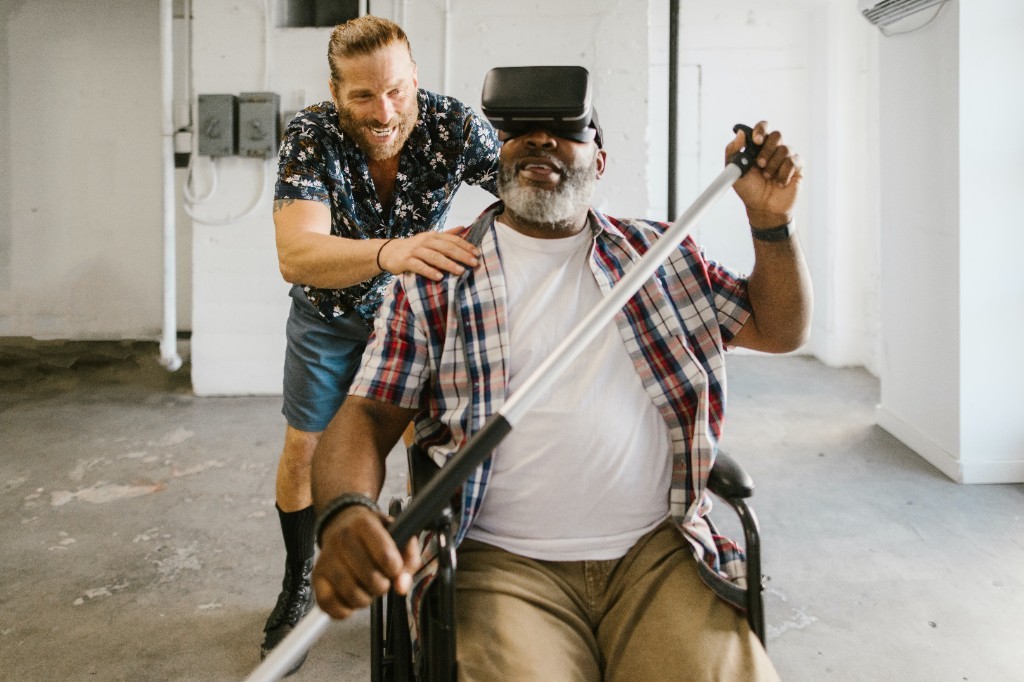

In recent years, there has been a significant advancement in the field of Artificial Intelligence (AI) and Augmented Reality (AR). These technologies have become increasingly popular and have the potential to enhance virtual experiences in various fields such as gaming, education, healthcare, and...
AI-Powered Fresco Restoration: Digital Technology Meets Art Conservation
1091
25.02.2026
The Challenge of Art Restoration
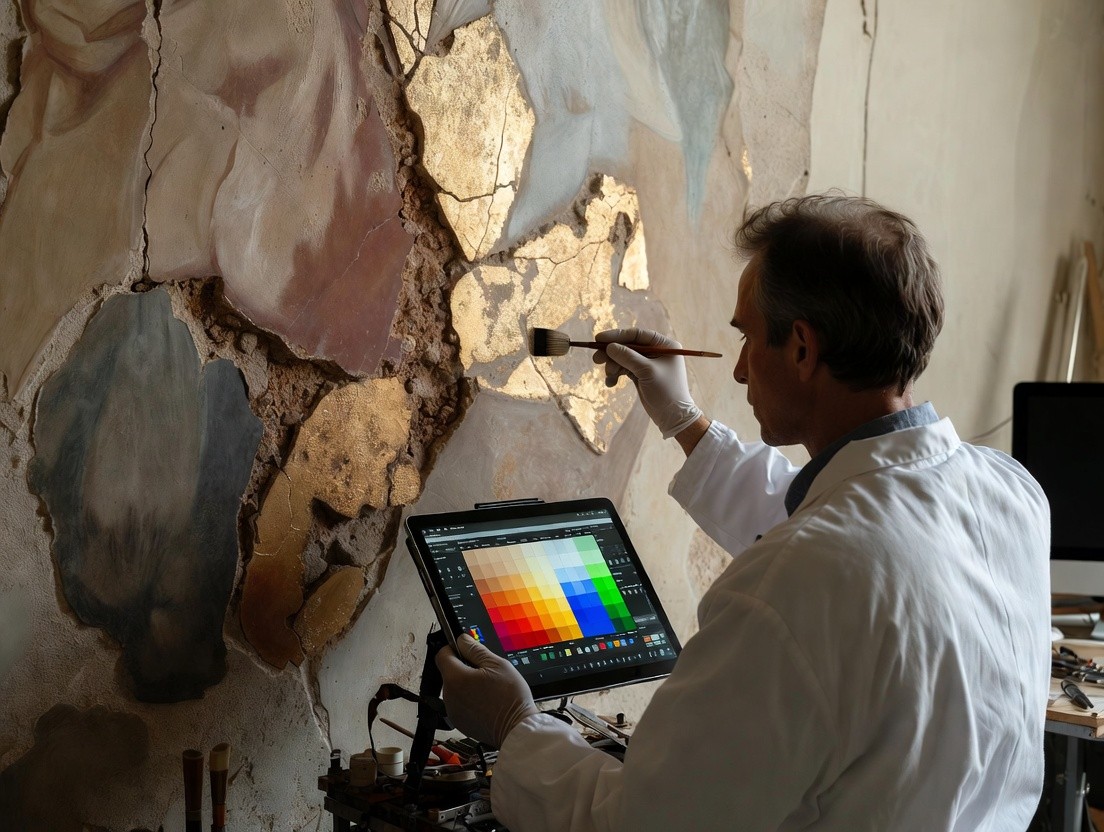
Throughout history, countless magnificent frescoes have been damaged by time, environmental conditions, wars, and natural disasters. Restoring these irreplaceable artworks presents enormous challenges to art conservators. Traditional restoration methods rely heavily on expert judgment, which can be inconsistent and sometimes leads to irreversible mistakes. Artificial intelligence is now revolutionizing the field by providing conservators with powerful tools to analyze, reconstruct, and restore damaged frescoes with remarkable accuracy.
How AI Restoration Algorithms Work
Digital Analysis Phase
The restoration process begins with comprehensive digital documentation. High-resolution imaging techniques capture:
- Detailed photographs from multiple angles and lighting conditions
- Infrared and ultraviolet imaging revealing hidden layers
- 3D scanning data creating precise spatial models
- Spectrographic analysis identifying original pigments and materials
- Historical documentation and comparative references
AI Pattern Recognition
Sophisticated machine learning algorithms analyze this data to identify missing sections, color variations, and original artistic intent. The AI learns from historical records, similar artworks, and documented original photographs to predict what damaged areas likely contained originally. Deep learning neural networks trained on thousands of artwork examples develop remarkable ability to reconstruct missing portions convincingly.
Advantages Over Traditional Methods
AI restoration offers significant improvements over conventional approaches. The technology works non-destructively, requiring no physical intervention with the original artwork. Conservators can experiment with multiple restoration scenarios virtually before implementing any real-world changes. This capability proves invaluable for particularly delicate or irreplaceable pieces.
Consistency represents another critical advantage. Human restorers, despite their expertise, introduce subjective interpretations that can vary based on mood, experience, and training. AI algorithms maintain objective consistency across large restoration projects, ensuring harmonious results throughout complex compositions.
Real-World Applications
Notable Restoration Projects
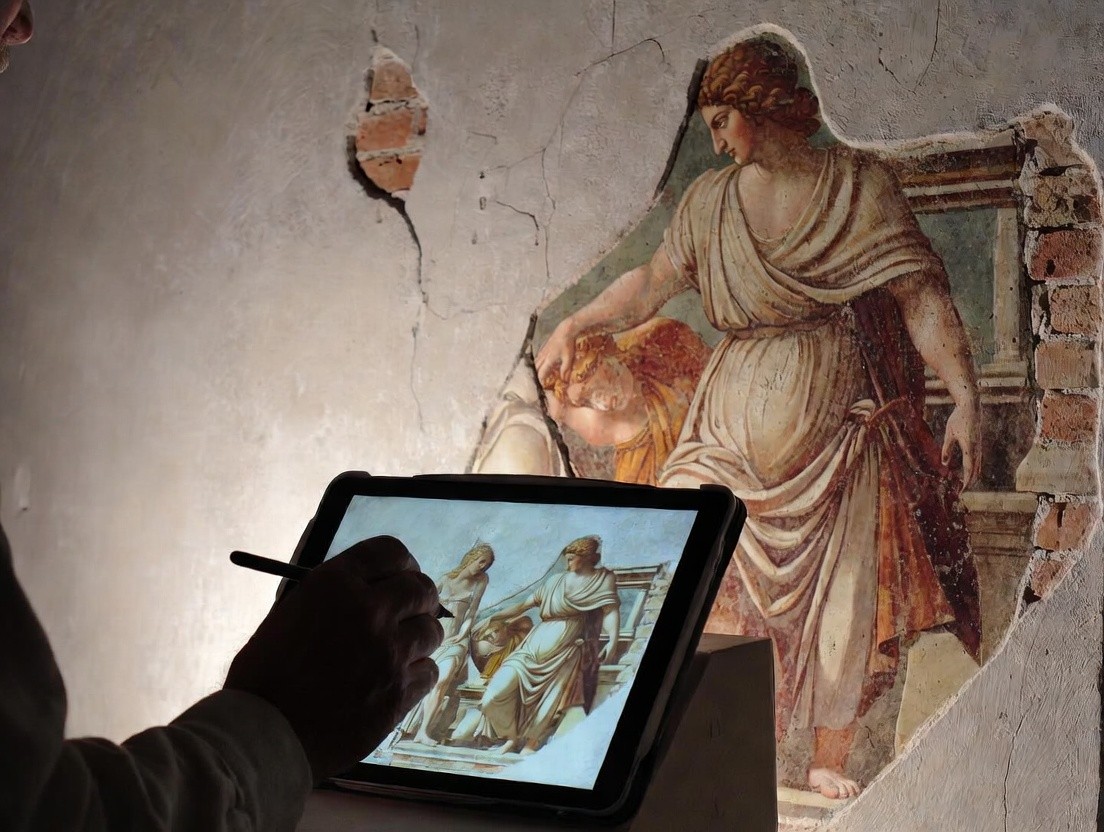
Museums and archaeological sites worldwide have successfully implemented AI restoration technology. Renaissance frescoes in Italian churches have been reconstructed with stunning accuracy. Medieval murals in historical monasteries reveal original vibrant colors through AI-guided analysis. Even ancient Roman frescoes from Pompeii have benefited from these technological advances, with AI reconstructing missing sections based on stylistic patterns and archaeological evidence.
Collaboration Between Technology and Art
The most successful restoration projects combine AI capabilities with human expertise. While artificial intelligence excels at pattern recognition and objective analysis, experienced conservators contribute irreplaceable knowledge about artistic intent, cultural context, and historical accuracy. This collaborative approach leverages the strengths of both technology and human judgment.
Preservation of Cultural Heritage
Beyond individual artworks, AI restoration technology serves broader cultural preservation goals. By restoring damaged frescoes, society preserves visual records of human history and artistic achievement. These restored works inspire future generations, provide research opportunities for art historians, and strengthen cultural identity and heritage awareness.
Ethical Considerations
Art restoration using AI raises important ethical questions. Conservators carefully document all AI-generated reconstructions, clearly distinguishing them from original artwork. The technology serves as a restoration aid, not a replacement for expert judgment. Transparency about AI involvement ensures viewers understand what they're observing and maintains academic integrity in art historical research.
Future Possibilities
Advancing AI capabilities promise even more sophisticated restoration possibilities. Augmented reality applications might allow viewers to see frescoes in their original condition. AI could help identify and authenticate artwork, detecting forgeries and restoration attempts. Integration with archaeological databases will enable better contextual analysis of historical artworks.
Conclusion
Artificial intelligence is transforming art restoration from subjective craft to evidence-based science. By combining powerful computational analysis with human expertise, AI algorithms enable conservators to restore irreplaceable frescoes with unprecedented precision and confidence. This technological revolution ensures that humanity's artistic heritage will be preserved authentically for future generations to appreciate and study.