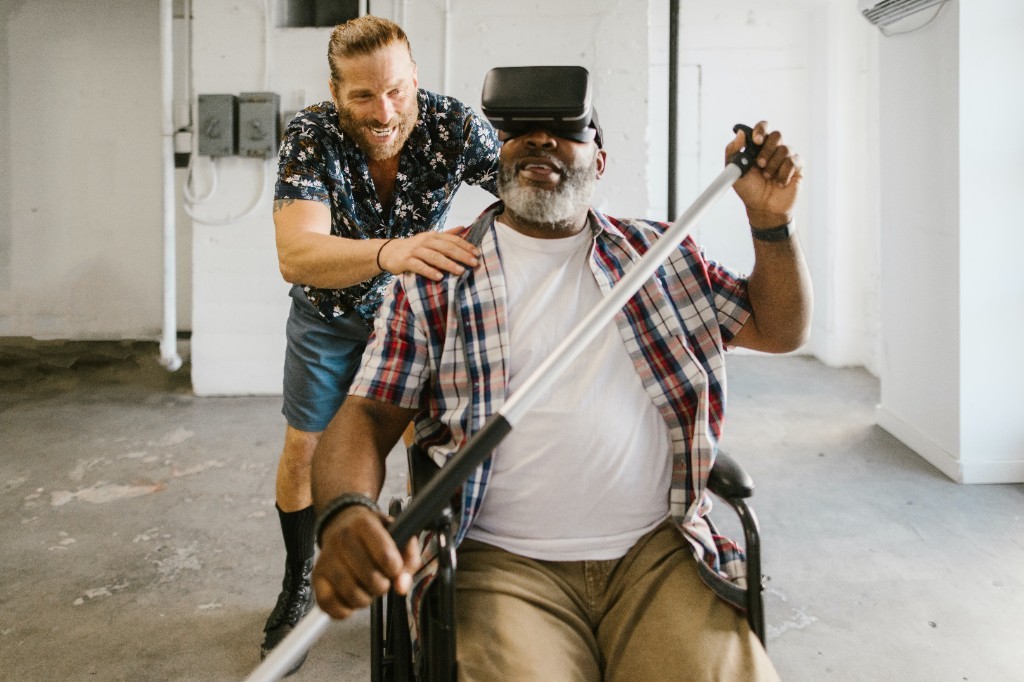
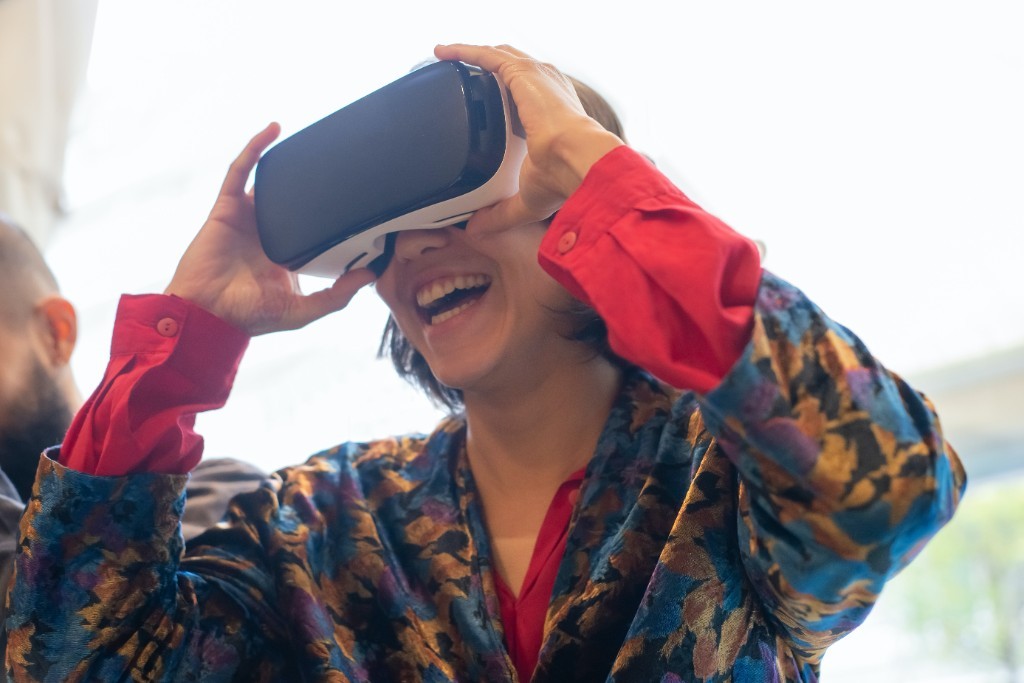
In recent years, there has been a significant advancement in the field of Artificial Intelligence (AI) and Augmented Reality (AR). These technologies have become increasingly popular and have the potential to enhance virtual experiences in various fields such as gaming, education, healthcare, and...
AI Wins World Checkers Championship Against Human Players for First Time
1020
06.02.2026
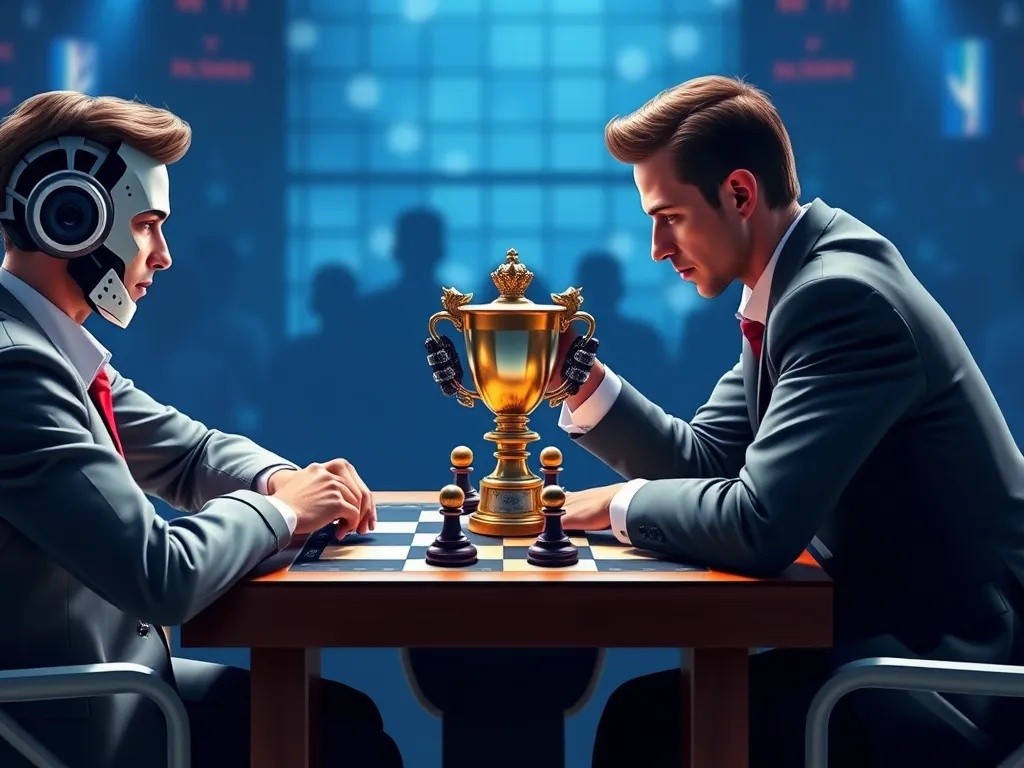
In a watershed moment for artificial intelligence, a computer program has captured the World Checkers Championship title, defeating the planet's top human players in a tournament that allowed direct competition between carbon and silicon minds. The victory marks the first time an AI system has claimed a world championship in a traditionally human competition under standard tournament conditions.
The Historic Tournament
The championship took place over five days, featuring a round-robin format where each participant faced every other competitor. The AI system, designated Draughts Master Seven, competed against twelve human grandmasters representing eight countries. Unlike previous demonstrations where computers played exhibition matches, this tournament carried official recognition from the World Draughts Federation.
Dominant Performance
The artificial intelligence demonstrated overwhelming superiority throughout the competition:
- Achieved eleven victories against human opponents with only one draw
- Never lost a single game throughout the entire tournament
- Average game length decreased as opponents recognized inevitable defeats earlier
- Demonstrated novel strategic approaches previously unseen in professional play
Technical Capabilities Behind the Victory
Draughts Master Seven employs a combination of deep learning techniques and traditional game tree analysis. The system evaluates millions of potential positions per second while simultaneously applying pattern recognition developed through training on historical championship games. This hybrid approach allows the AI to combine computational brute force with intuitive strategic understanding.
Learning from Masters
Developers fed the algorithm every recorded championship game from the past century, totaling over 400,000 matches. The neural network analyzed winning patterns, common mistakes, and strategic principles employed by legendary players. Additionally, the system played against itself billions of times, developing novel strategies that surpassed human understanding of optimal play.
Human Competitors React
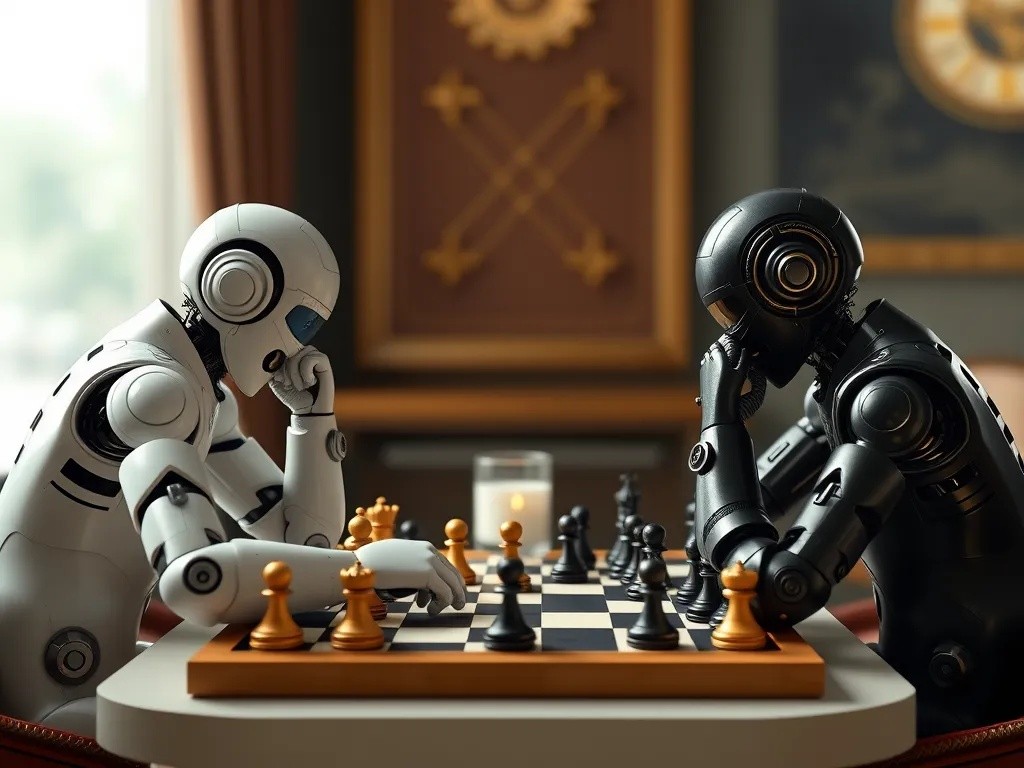
Reactions among defeated grandmasters ranged from philosophical acceptance to genuine awe. Former world champion Alexander Moiseyev described facing the AI as encountering perfect play, noting that every apparent opportunity proved to be a carefully constructed trap. Several players expressed that competing against the system revealed weaknesses in their own strategies they had never previously recognized.
The Psychology of Human-Machine Competition
Tournament observers noted interesting psychological dynamics affecting human performance. Some players appeared intimidated before games began, while others adopted overly aggressive strategies hoping to create complications the computer might mishandle. Neither approach proved effective against an opponent immune to pressure, fatigue, or emotional fluctuation.
Implications for Board Games and Beyond
The championship victory continues a trend of AI dominance in strategic games that began with chess and expanded through Go and poker. However, checkers presents unique challenges due to its smaller game tree and reduced complexity, making perfect play theoretically achievable. Some researchers consider this victory the final proof that checkers has been essentially solved by artificial intelligence.
Future of Human Competition
Tournament organizers face difficult decisions regarding future championships. Some advocate maintaining separate human and machine categories, preserving competitive meaning for human players. Others suggest embracing AI participation as pushing human players toward improvement. The debate reflects broader societal questions about automation and the evolving relationship between human expertise and machine capability.
Regardless of organizational decisions, the symbolic significance remains profound. Another domain once considered uniquely human has yielded to artificial intelligence, prompting reflection on what capabilities will remain distinctly ours as technology continues advancing at remarkable pace.