In recent years, there has been a significant advancement in the field of Artificial Intelligence (AI) and Augmented Reality (AR). These technologies have become increasingly popular and have the potential to enhance virtual experiences in various fields such as gaming, education, healthcare, and...
Algorithm Finds Relatives Through Old Archive Photographs
970
05.02.2026
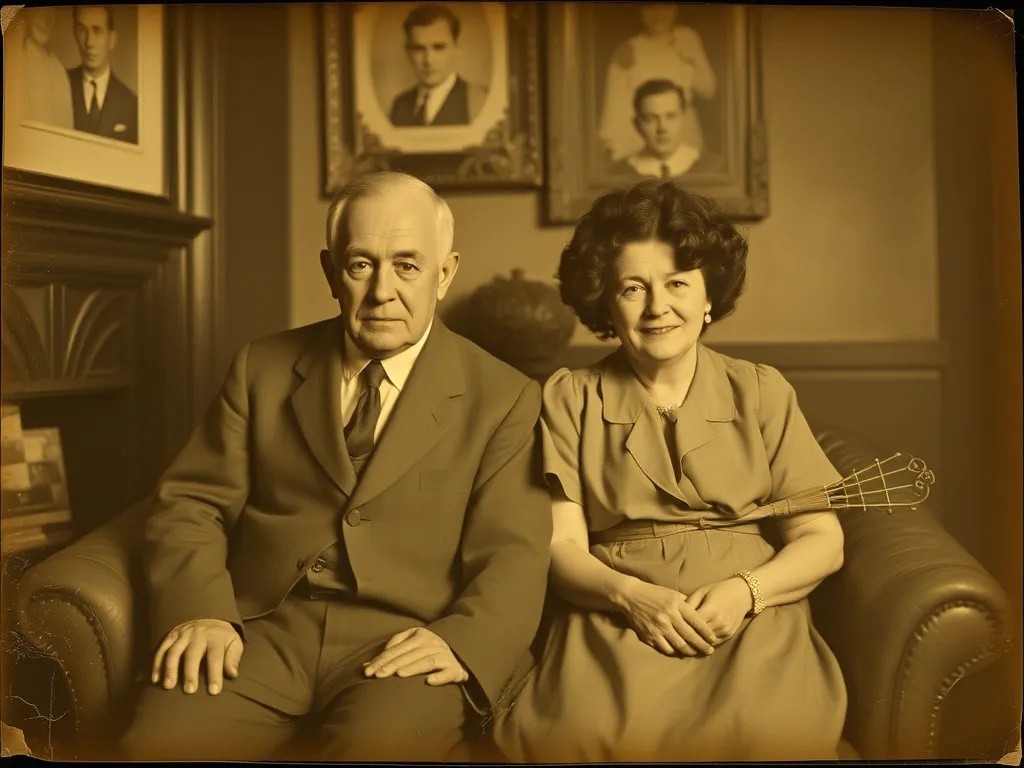
A remarkable new algorithm is helping people around the world discover long-lost relatives by analyzing historical photographs stored in archives, museums, and private collections. This groundbreaking technology has already facilitated hundreds of family reunions, connecting people who never knew each other existed and filling in gaps in family histories that span generations and continents.
The Technology Behind the Discovery
The algorithm represents a significant advancement in facial recognition technology, specifically designed to work with the unique challenges presented by historical photographs. Unlike modern facial recognition systems that work with high-resolution digital images, this system must interpret faded prints, damaged negatives, and photographs taken with primitive camera equipment.
Advanced Image Processing
Before the facial recognition process begins, the algorithm performs sophisticated image enhancement procedures:
- Digital restoration of faded or damaged photographs
- Correction for various historical photographic processes
- Enhancement of facial features obscured by age or damage
- Standardization of lighting and contrast across different image types
- Removal of artifacts and imperfections common in old photographs
Genetic Feature Mapping
The core innovation lies in the algorithm's ability to identify hereditary facial features that persist across generations. Rather than looking for exact matches, the system recognizes patterns of bone structure, facial proportions, and distinctive features that family members often share.
Database Integration and Search Capabilities
The algorithm has been integrated with numerous archive databases around the world, creating a vast network of searchable historical images. Partner organizations include national archives, immigration record repositories, military history collections, and genealogical societies.
Participating Archives
The system currently accesses photographs from:
- National immigration records from major destination countries
- Military service photographs spanning multiple conflicts
- Census and civil registration records with attached photographs
- Newspaper archives containing published photographs
- Private family collections donated to historical societies
Success Stories and Reunions
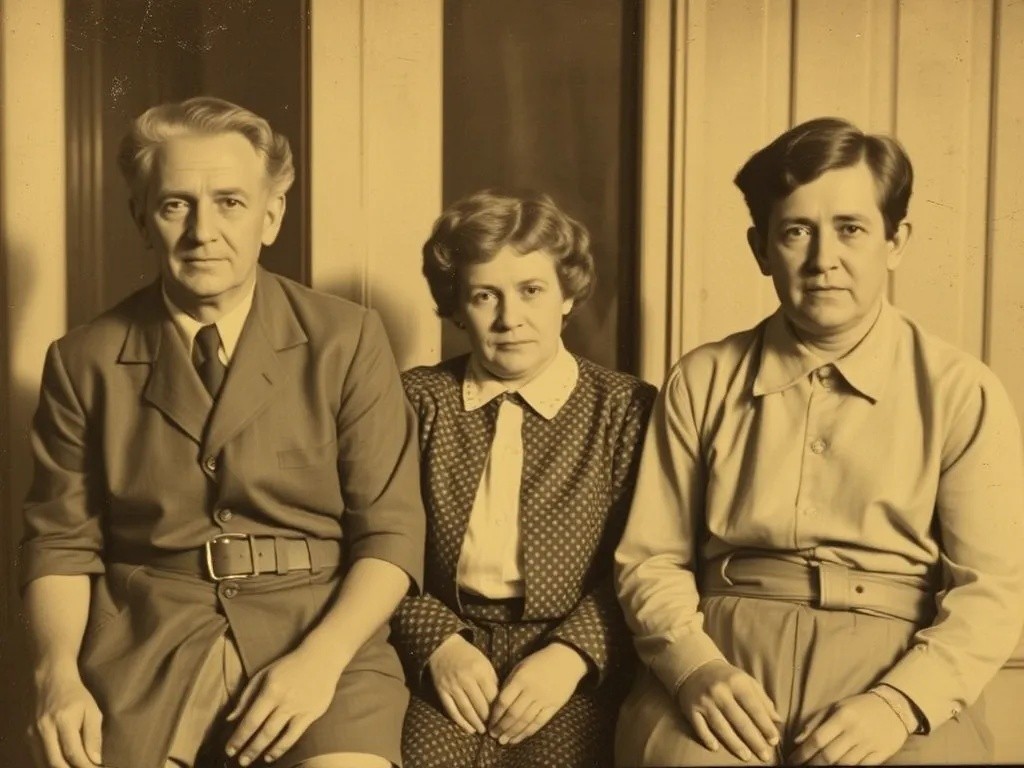
Since its deployment, the algorithm has facilitated numerous emotional family reunions. One particularly moving case involved a woman who discovered three cousins she never knew existed after the system matched her grandmother's immigration photograph with pictures of siblings who had emigrated to different countries.
Historical Research Applications
Beyond personal family searches, historians and researchers use the algorithm to identify individuals in historical photographs, adding names and stories to previously anonymous faces in archives. This work helps preserve historical memory and adds personal dimensions to our understanding of the past.
Privacy and Ethical Considerations
The development team has implemented robust privacy protections to prevent misuse of the technology. Users can only search for potential relatives using their own photographs, and all matches require verification through additional documentation before contact information is shared.
Consent and Control
Individuals can register their photographs with the system or opt out entirely if they prefer not to be found. This balanced approach respects personal privacy while still enabling those who wish to reconnect with family to do so.
Future Development Plans
Developers are working to expand the system's capabilities and database coverage. Upcoming improvements include better handling of photographs showing subjects at different life stages, integration with DNA testing services for additional verification, and expansion to include archives from additional countries and time periods.
Technological Improvements
Machine learning continues to improve the algorithm's accuracy, with each successful match helping to refine the system's understanding of hereditary features. As more photographs are added to partner databases, the chances of finding connections increase exponentially.
This technology represents a powerful tool for those seeking to understand their family history and reconnect with relatives separated by time, distance, and circumstance, bringing together families that might otherwise have remained strangers forever.