

In recent years, there has been a significant advancement in the field of Artificial Intelligence (AI) and Augmented Reality (AR). These technologies have become increasingly popular and have the potential to enhance virtual experiences in various fields such as gaming, education, healthcare, and...
Algorithm Learns to Identify Tree Diseases by Leaves
1072
11.03.2026
Revolutionary Technology in Forest Management
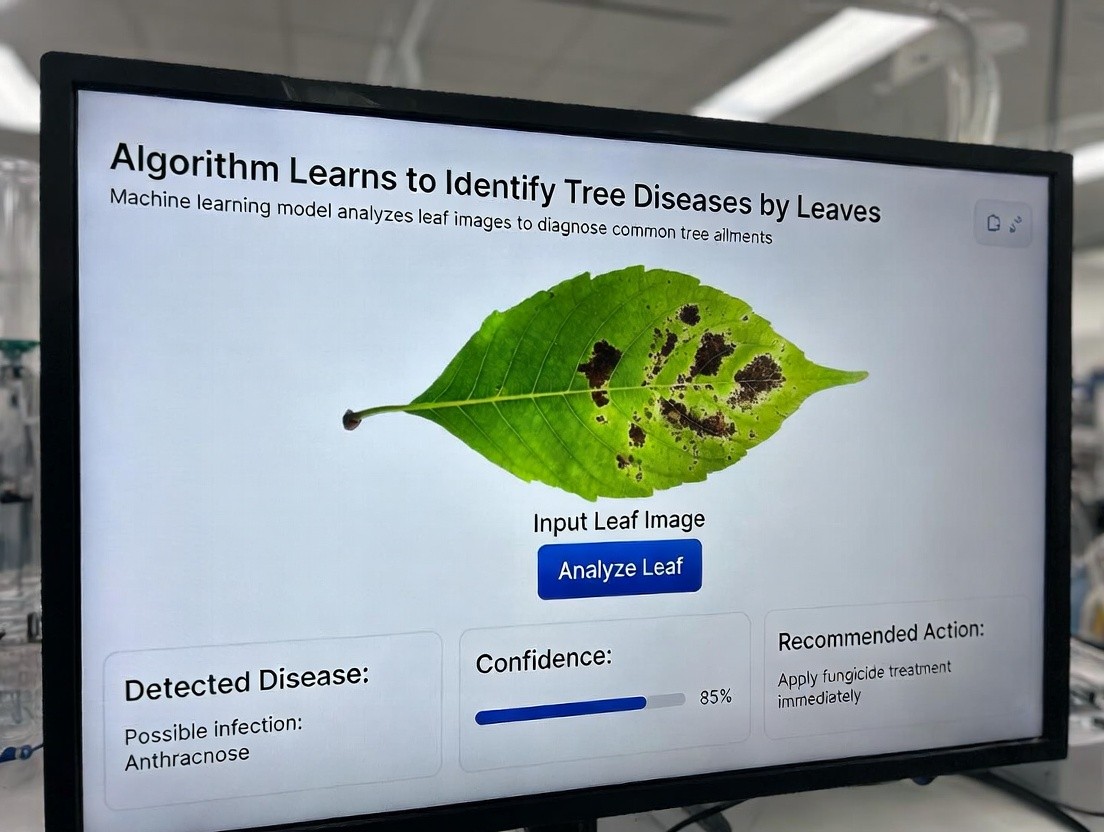
A groundbreaking development in agricultural technology has emerged: a sophisticated algorithm capable of diagnosing tree diseases with remarkable accuracy by analyzing leaf images. This innovation represents a significant advancement in forestry and environmental conservation, offering hope for preserving our planet's vital green resources.
How the Algorithm Works
Machine Learning Foundation
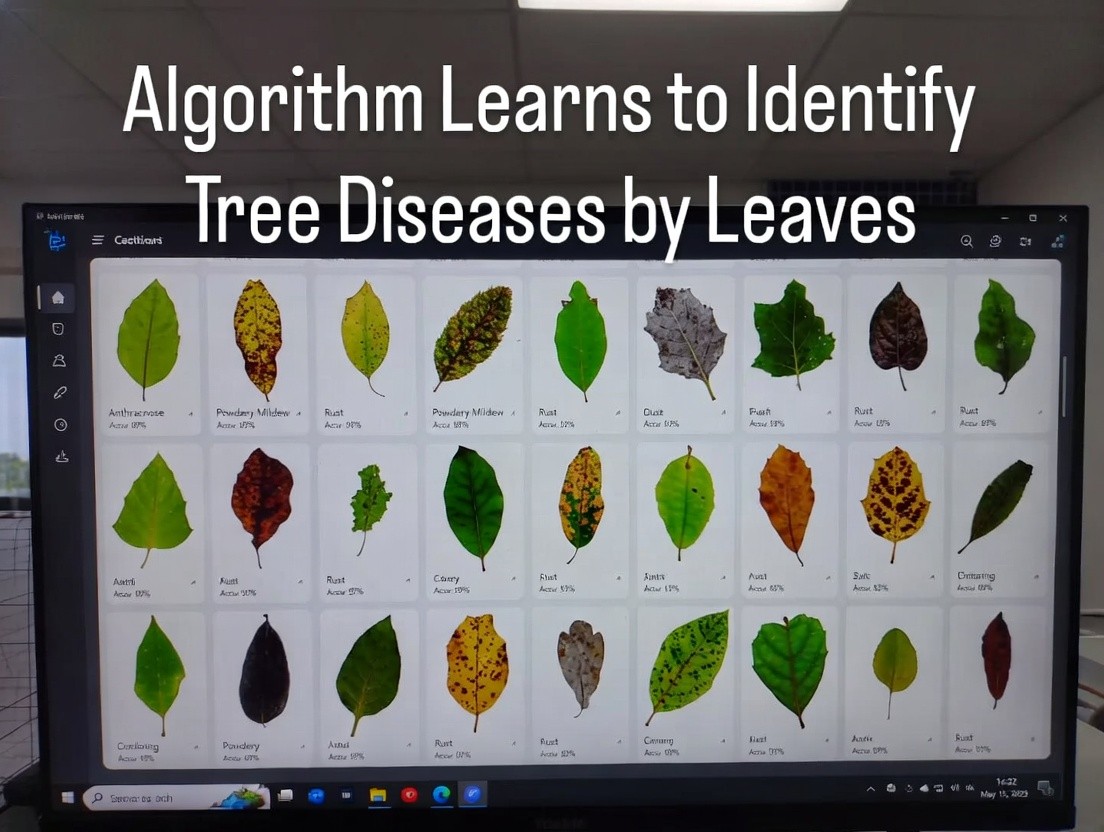
The algorithm relies on deep learning neural networks trained on thousands of leaf samples from diseased and healthy trees. Scientists collected comprehensive datasets featuring various tree species and disease types, including fungal infections, bacterial diseases, and viral conditions. The system analyzes multiple leaf characteristics simultaneously:
- Color patterns and discoloration spots
- Texture and surface irregularities
- Shape deformations and abnormalities
- Veining patterns and structural changes
- Lesion size and distribution
Accuracy and Reliability
Initial testing demonstrates that the algorithm achieves an impressive accuracy rate of over 95% in disease identification. Researchers validated the system across multiple tree species and environmental conditions, ensuring its reliability in real-world applications. The algorithm can distinguish between similar-looking diseases that might confuse human observers, providing a significant advantage in early disease detection.
Practical Applications
Forest Management
Forest managers can now deploy mobile applications equipped with this technology to monitor large forest areas efficiently. A single worker with a smartphone can assess hundreds of trees daily, identifying diseased specimens before the disease spreads to nearby vegetation. This capability enables rapid intervention and targeted treatment strategies.
Agricultural Industry
Commercial orchards and tree farms benefit tremendously from automated disease detection. Early identification prevents significant crop losses and reduces the need for broad-spectrum pesticide applications. Farmers can implement precision treatments on only the affected trees, reducing environmental impact and treatment costs.
Benefits to the Environment
The environmental implications of this technology are profound. By enabling early disease detection, the algorithm helps prevent the devastation caused by unchecked tree diseases. This is particularly crucial for endangered tree species and ecosystems under threat from invasive pathogens. The technology reduces chemical usage, promotes sustainable forestry practices, and helps maintain biodiversity.
Challenges and Future Development
Current Limitations
While the technology shows tremendous promise, researchers acknowledge certain limitations. The algorithm performs optimally in well-lit conditions and requires clear leaf images. Weather conditions, lighting angles, and image resolution can affect accuracy. Additionally, the system currently focuses on specific tree species and disease types in training data.
Ongoing Improvements
Developers continue enhancing the algorithm by expanding training datasets to include more tree species and disease varieties. They're also working on making the system more robust to various environmental conditions and image qualities. Future versions may incorporate additional data sources, such as bark texture analysis and tree growth patterns.
Implementation Timeline
Several countries have already begun pilot programs implementing this technology in national forests. Research institutions partnering with government agencies expect widespread adoption within the next two to three years. Mobile applications for farmers and forest managers should become commercially available within 18 months.
Conclusion
The development of an algorithm capable of identifying tree diseases through leaf analysis represents a watershed moment in environmental technology. By combining artificial intelligence with ecological science, we've created a powerful tool for protecting our forests. As this technology continues to evolve and improve, it promises to become an essential component of sustainable forest management practices worldwide, helping ensure the health and longevity of Earth's vital tree populations.