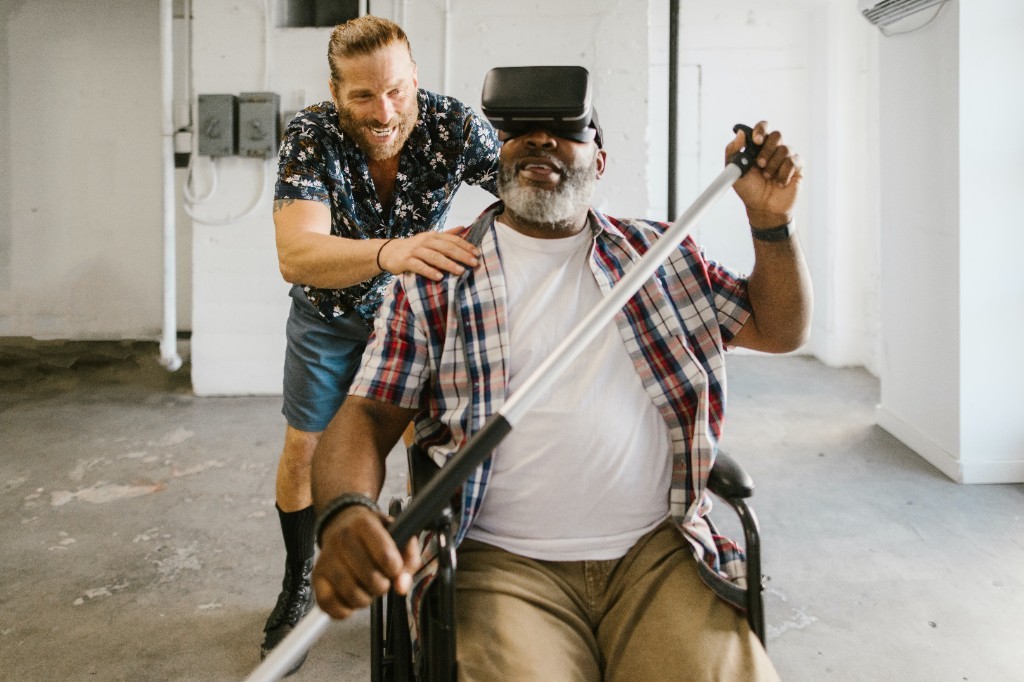
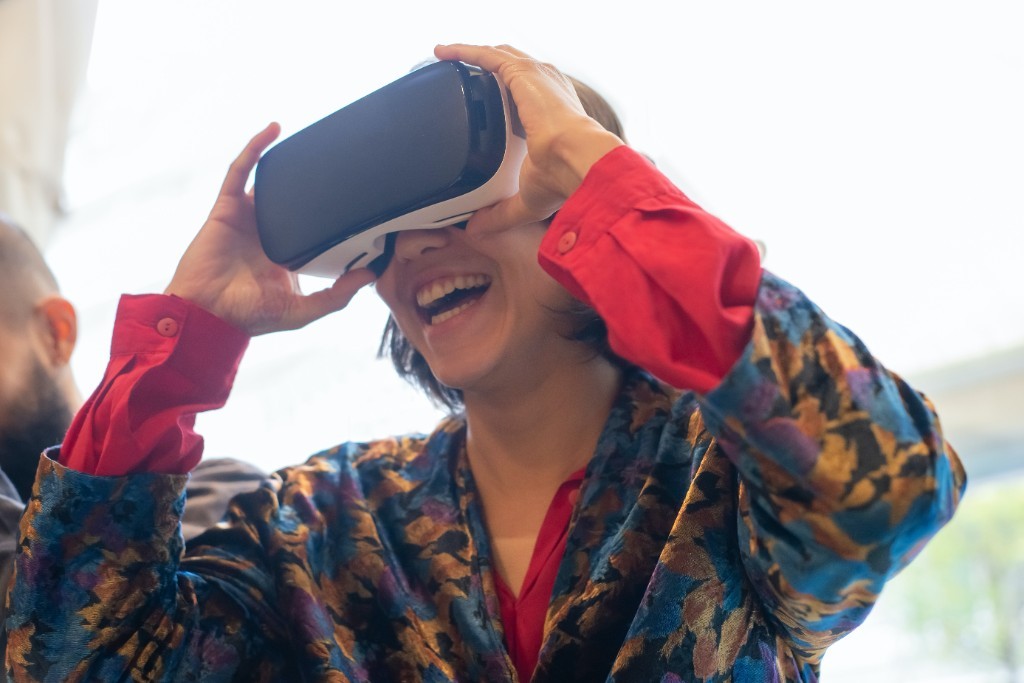
In recent years, there has been a significant advancement in the field of Artificial Intelligence (AI) and Augmented Reality (AR). These technologies have become increasingly popular and have the potential to enhance virtual experiences in various fields such as gaming, education, healthcare, and...
Algorithm Predicts Divorces More Accurately Than Family Psychologists: What This Means for Marriage Counseling
629
23.01.2026
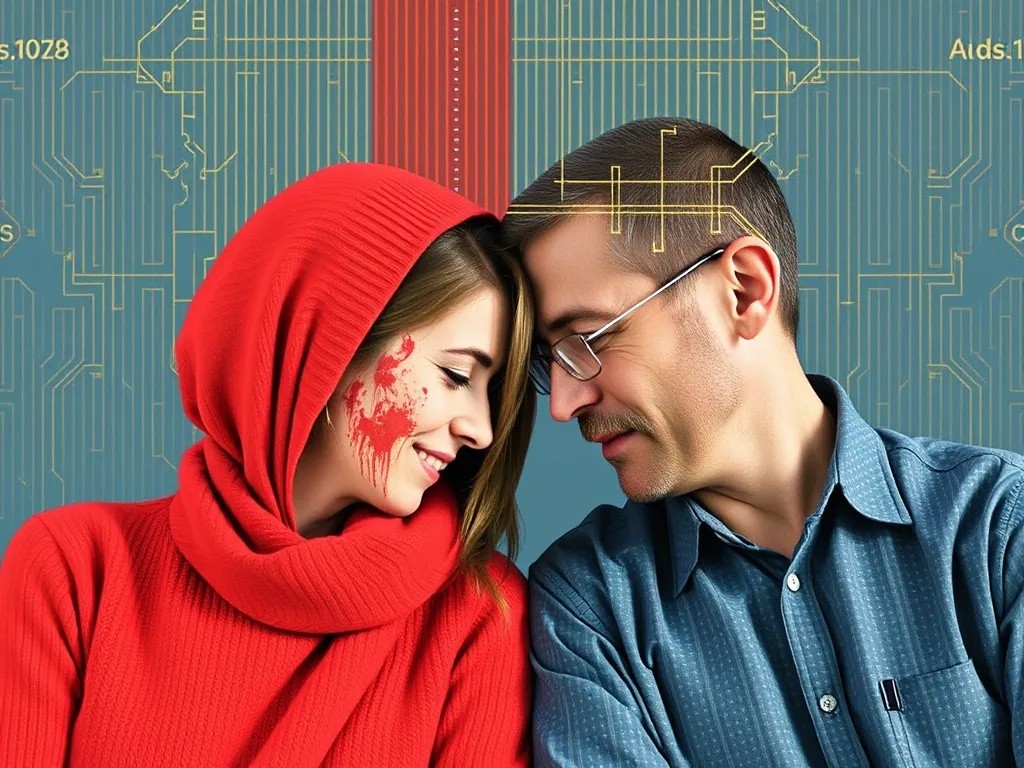
A remarkable study has demonstrated that artificial intelligence can now predict the likelihood of divorce with greater accuracy than experienced family psychologists. This breakthrough raises profound questions about the nature of relationships, the role of technology in personal matters, and the future of marriage counseling as a profession.
The Study Behind the Headlines
Researchers from multiple universities collaborated on a comprehensive study involving thousands of married couples tracked over a period of several years. The team developed a sophisticated machine learning algorithm trained on extensive datasets that included demographic information, communication patterns, financial behaviors, and various psychological assessments.
Key Factors Analyzed by the Algorithm
The prediction model incorporated dozens of variables, with particular emphasis on:
- Communication frequency and tone between partners
- Financial decision-making patterns and disagreements
- Social media interactions and online behavior
- Family background and parental relationship history
- Career satisfaction and work-life balance indicators
- Conflict resolution styles and patterns
Comparing Human and Machine Predictions
In parallel testing, experienced family psychologists were given access to the same information about couples and asked to predict which marriages would end in divorce within five years. The results were striking: while human experts achieved prediction accuracy rates of approximately sixty-five percent, the algorithm consistently performed at nearly eighty percent accuracy.
Why Machines Outperformed Humans
Researchers believe several factors contribute to the algorithm's superior performance. Human psychologists often rely on intuition and personal biases developed through their own experiences. They may unconsciously weight certain factors more heavily than others based on cultural assumptions or professional training. The algorithm, by contrast, processes all variables with mathematical precision, identifying subtle patterns that escape human notice.
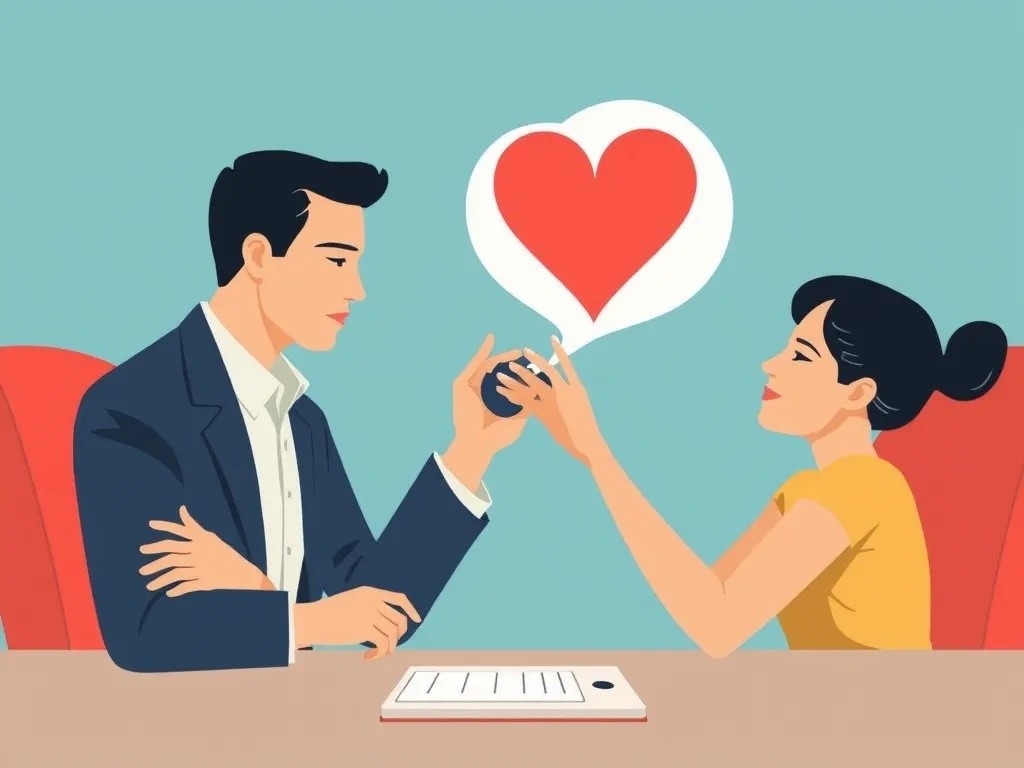
Implications for Couples and Therapists
The findings have generated intense debate within the mental health community. Some practitioners worry that such technology could undermine the therapeutic relationship, while others see potential for algorithms to serve as valuable diagnostic tools that complement human expertise.
Interestingly, the research team emphasizes that prediction is not destiny. Couples identified as high-risk by the algorithm who subsequently received targeted intervention showed significantly improved outcomes. This suggests that early identification of relationship vulnerabilities could actually save marriages rather than doom them.
Ethical Concerns and Privacy Issues
The development of divorce prediction technology raises serious ethical questions. Should insurance companies have access to such predictions? Could employers use relationship stability assessments in hiring decisions? The researchers stress that their work aims to help couples, not to create new forms of discrimination.
The Future of Relationship Science
As artificial intelligence continues to penetrate every aspect of human life, its role in understanding and supporting relationships will likely expand. Whether this represents progress or intrusion remains a matter of perspective. What seems certain is that the intersection of technology and intimacy will continue generating both opportunities and controversies for years to come.
For couples considering marriage or seeking to strengthen existing bonds, this research offers a sobering reminder that relationships require constant attention and effort. Perhaps the most valuable lesson is not that machines understand love better than humans, but that we still have much to learn about the complex dynamics that determine whether two people will thrive together or drift apart.