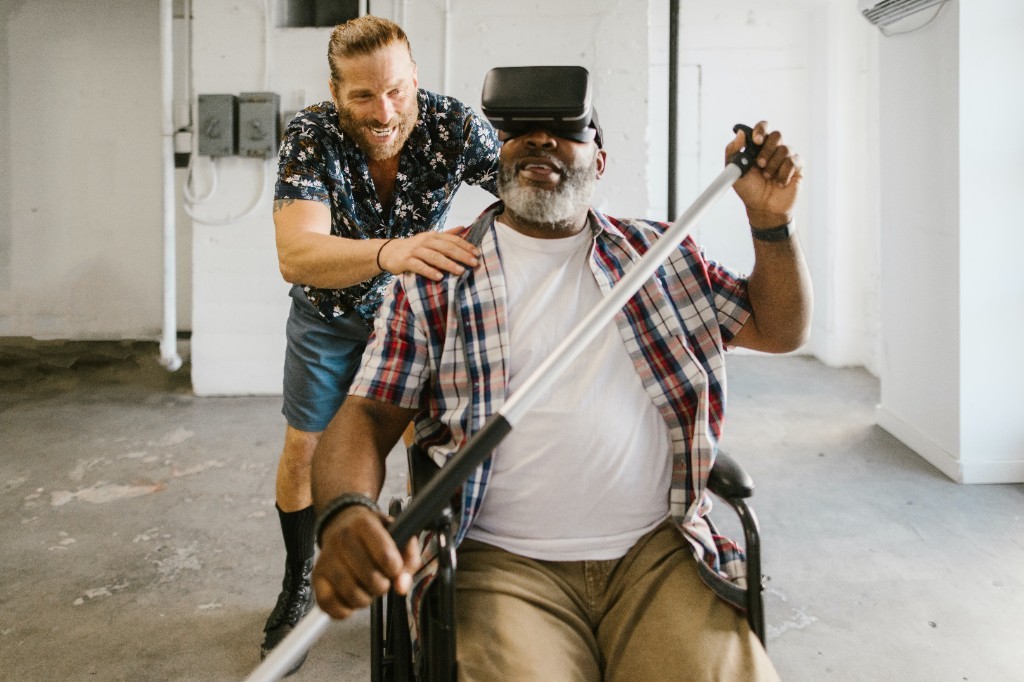

In recent years, there has been a significant advancement in the field of Artificial Intelligence (AI) and Augmented Reality (AR). These technologies have become increasingly popular and have the potential to enhance virtual experiences in various fields such as gaming, education, healthcare, and...
An Algorithm Instantly Deciphers Doctors' Handwriting on Prescriptions
222
25.04.2026

For decades, illegible handwriting on medical prescriptions has been both a cultural joke and a serious problem. Pharmacists often rely on experience and context to interpret scribbled notes, but errors can and do occur. In response to this longstanding issue, researchers have developed an algorithm capable of instantly deciphering doctors’ handwriting with remarkable accuracy.
The Complexity of Medical Handwriting
Unlike standard handwriting, medical prescriptions involve unique challenges. Doctors frequently use abbreviations, shorthand notations, and symbols that are not commonly found in everyday writing.
Characteristics of Prescriptions
- Highly cursive and compressed writing styles
- Frequent use of Latin abbreviations
- Overlapping characters and incomplete strokes
These factors make traditional optical character recognition (OCR) systems insufficient for accurate interpretation.
The AI-Based Solution
The new algorithm combines multiple layers of machine learning to address these challenges. It integrates image processing, deep neural networks, and contextual analysis to produce reliable results.
Technological Components
- Convolutional neural networks for image recognition
- Natural language processing for contextual understanding
- Medical databases for validation
By combining visual and linguistic analysis, the system achieves a level of accuracy previously unattainable.
Step-by-Step Decoding Process
The algorithm follows a multi-stage pipeline to interpret each prescription.
Processing Workflow
- Image preprocessing to enhance clarity
- Segmentation of text into individual components
- Character recognition using trained models
- Contextual correction based on medical knowledge
This layered approach allows the system to correct potential misinterpretations and produce coherent outputs.
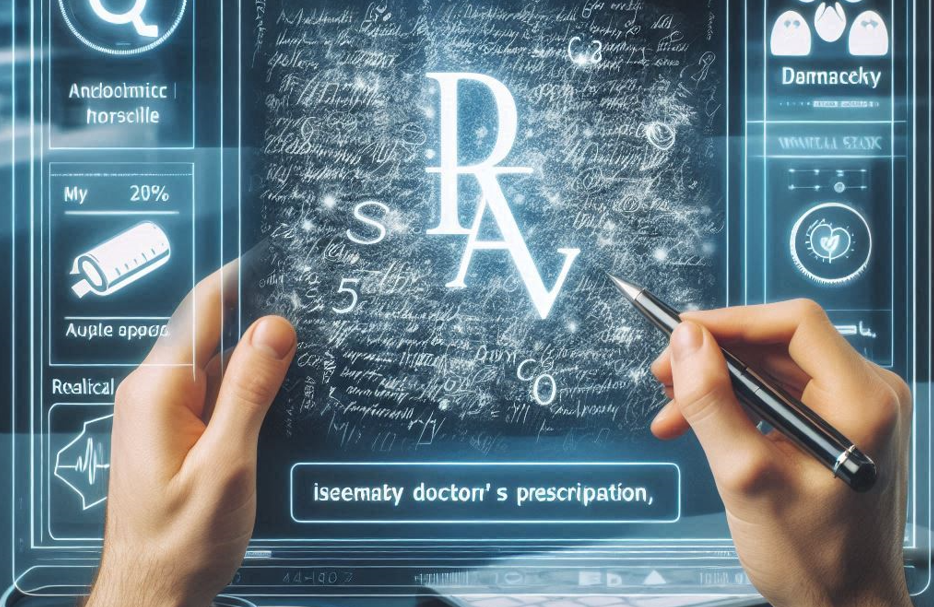
Improving Patient Safety
One of the most significant benefits of this technology is the reduction of medical errors. Misread prescriptions can lead to incorrect dosages or medications, posing serious risks to patients.
Safety Enhancements
- Accurate dosage interpretation
- Identification of drug names
- Detection of inconsistencies or anomalies
Pharmacies using this system report fewer errors and improved workflow efficiency.
Integration into Healthcare Systems
The algorithm can be integrated into electronic health record systems and pharmacy software. This allows seamless processing of prescriptions from multiple sources.
It also supports mobile applications, enabling pharmacists to scan handwritten prescriptions directly from their devices.
Challenges and Ethical Considerations
Despite its capabilities, the system must address issues related to privacy and data security. Medical data is highly sensitive, and strict safeguards are necessary.
Key Concerns
- Data protection and encryption
- Bias in training datasets
- Dependence on AI over human judgment
Developers emphasize that the system should assist, not replace, healthcare professionals.
The Future of Medical Documentation
As digital records become more widespread, handwritten prescriptions may eventually disappear. However, until that transition is complete, this algorithm serves as a critical bridge.
Future iterations may include voice recognition and fully automated prescription generation.
By transforming illegible handwriting into clear, actionable information, this technology enhances both efficiency and safety in healthcare systems worldwide.