

In recent years, there has been a significant advancement in the field of Artificial Intelligence (AI) and Augmented Reality (AR). These technologies have become increasingly popular and have the potential to enhance virtual experiences in various fields such as gaming, education, healthcare, and...
An Algorithm Matches Compatible Neighbors Based on Lifestyle
152
03.07.2026
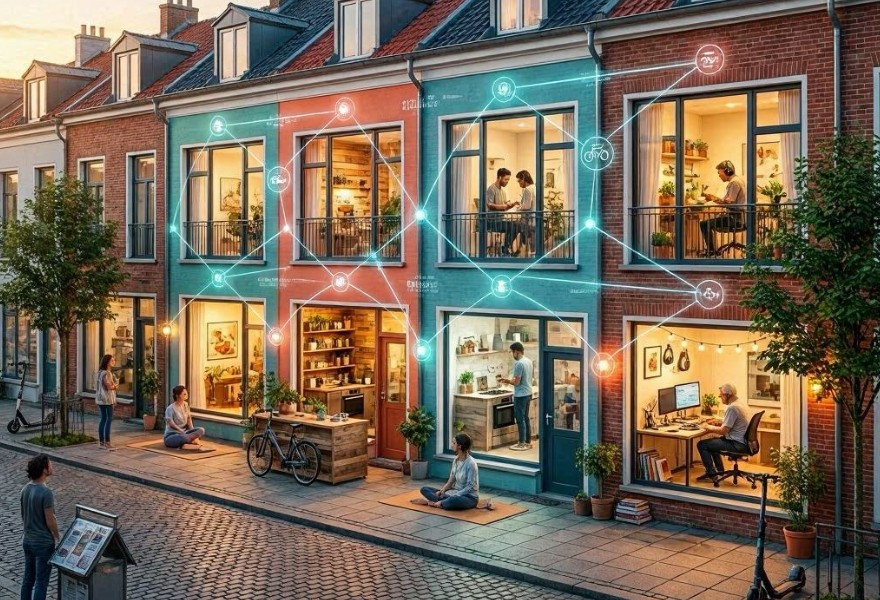
The concept of "neighborliness" has shifted dramatically in the 21st century. In dense urban environments, the traditional model of community—where residents share common backgrounds or long-term connections—is often replaced by transient, high-density living. This physical proximity without social cohesion often leads to friction, noise complaints, and a sense of isolation. However, a new trend in real estate and communal living platforms is using technology to solve this age-old problem: algorithms that match prospective neighbors based on lifestyle compatibility.
By leveraging big data and machine learning, these "neighbor-matching" platforms aim to curate living environments where residents are not just occupants of the same building, but people who share similar values, schedules, and social needs. This technological approach moves beyond the surface-level demographics of age or income, looking instead at the nuanced day-to-day habits that truly determine the quality of a shared living experience.
The Science of Compatibility
What makes two people compatible as neighbors? For an algorithm, compatibility is a multi-dimensional puzzle. The matching process begins with a detailed lifestyle profile that goes well beyond the standard "no pets, non-smoker" checklist.
Deep Behavioral Profiling
The matching algorithm analyzes several key behavioral categories to predict whether two individuals will coexist peacefully or create conflict:
- Activity Rhythms: Does the resident work a traditional 9-to-5 schedule, or are they a night owl who thrives in the early hours of the morning?
- Noise Sensitivity and Production: Does the resident enjoy hosting frequent social gatherings, or do they prioritize a quiet, monastic home environment for focused work?
- Shared Values and Interests: Does the potential neighbor prioritize sustainability, eco-friendly habits, or specific community-oriented activities like gardening or fitness?
How the Matching Algorithm Works
The core of these systems is a collaborative filtering model, similar to the recommendation engines used by streaming services, but optimized for human relationships. The algorithm treats the residents as the "data" and the home as the "platform."
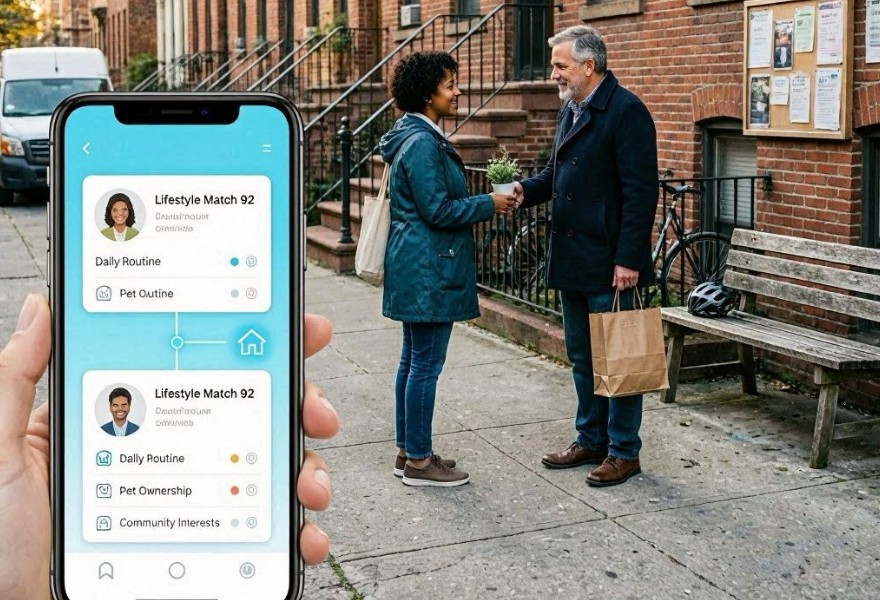
Pattern Recognition in Household Dynamics
The algorithm doesn't just match "introverts with introverts." Instead, it looks for complementary and sustainable lifestyle patterns. It uses predictive modeling to assess the likelihood of conflict. For instance, if an algorithm identifies that one resident has a high frequency of "social/active" tags and another has a high frequency of "quiet/study" tags, it may assign a low compatibility score for shared-wall living, even if both individuals are objectively "great people."
Dynamic Weighting of Preferences
The system is also adaptive. As neighbors provide feedback—perhaps indicating that a certain level of ambient noise is acceptable, or that they actually enjoy the occasional communal interaction—the algorithm updates its weightings. This ensures that the matching process becomes more accurate over time, learning from the real-world experiences of the inhabitants.
The Benefits of Curated Communities
The implementation of lifestyle-based matching offers profound advantages for both developers and residents.
- Reduced Turnover: Residents who are compatible with their neighbors are significantly more likely to renew their leases, reducing the costly churn that plagues many rental properties.
- Conflict Mitigation: Proactive matching prevents the most common causes of neighbor disputes before they even begin, saving property managers from the constant need for mediation.
- Organic Community Formation: When neighbors have similar lifestyles, communal spaces—like rooftop decks, gyms, or shared lounges—are actually utilized as intended, fostering genuine social connections rather than awkward encounters.
Privacy and Ethical Considerations
While the benefits are clear, the use of algorithms to "sort" neighbors raises legitimate concerns regarding privacy and social stratification. Developers must ensure that these systems are transparent and that they are not used to bypass fair housing laws. The ethical application of this technology requires that matching be based strictly on lifestyle habits and behavioral preferences, rather than protected characteristics or socioeconomic status. When applied correctly, it fosters a sense of belonging; when applied poorly, it risks creating "echo chambers" of identical lifestyles.
Conclusion: The Future of Living
The algorithmic matching of neighbors is a logical step toward the smarter, more personalized cities of the future. As we become more aware of how our home environment impacts our mental health and productivity, the ability to choose an environment where our lifestyle is supported—rather than challenged—by our surroundings will become an increasingly valuable amenity. Through data and empathy, we are finding that while we cannot always choose our neighbors, technology is finally giving us the tools to live alongside those who truly complement the way we live.