

In recent years, there has been a significant advancement in the field of Artificial Intelligence (AI) and Augmented Reality (AR). These technologies have become increasingly popular and have the potential to enhance virtual experiences in various fields such as gaming, education, healthcare, and...
Artificial Mind Creates Ice Cream Flavors Humans Never Imagined
491
24.11.2025
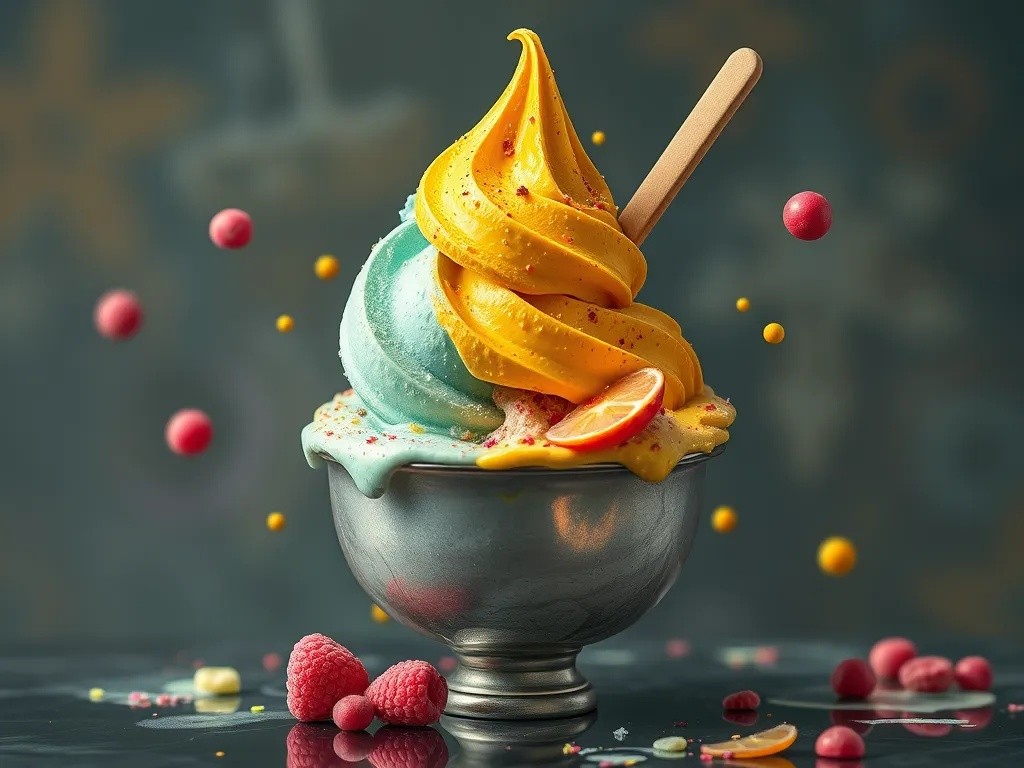
How AI is Revolutionizing Dessert Innovation
In the bustling innovation labs of modern food technology companies, artificial intelligence has found an unexpected playground: ice cream creation. Traditional flavor development relied on human intuition, experience, and limited testing capabilities. Today, AI systems are analyzing thousands of ingredient combinations, cultural preferences, and sensory data points to develop ice cream flavors that human creators might never have conceived.
These AI systems don't just randomly combine ingredients; they utilize sophisticated algorithms that understand molecular gastronomy, flavor pairing science, and human taste preferences. By processing vast datasets of successful recipes, customer reviews, and chemical compound interactions, these artificial minds are pushing the boundaries of what we consider delicious.
Breakthrough Flavor Combinations
Some of the most successful AI-generated flavors have defied conventional wisdom about which ingredients work well together. Consider "Basil Berry Bliss," which combines sweet strawberries with herbaceous basil and a hint of balsamic reduction. Human ice cream artisans might hesitate to mix these savory and sweet elements, but the AI predicted its success by analyzing molecular compounds shared between the ingredients.
Another popular creation, "Cardamom Charcoal Caramel," incorporates activated charcoal, cardamom spice, and salted caramel—ingredients from entirely different culinary traditions. The AI determined that the earthiness of the charcoal would enhance the spice notes while the caramel provides familiar sweetness to balance the exotic elements.
Perhaps most surprising is "Umami Vanilla," which infuses traditional vanilla ice cream with subtle umami elements from mushroom extracts and sea salt. The result is a complex flavor profile that enhances the natural vanilla without overwhelming it—a combination that taste testers describe as "inexplicably satisfying" and "addictively complex."
The Technology Behind Flavor Innovation
The AI systems responsible for these creations utilize several advanced technologies:
- Machine Learning Algorithms: These analyze thousands of existing recipes and their reception to identify patterns of success.
- Molecular Compound Analysis: AI examines the chemical structures of ingredients to predict how they will interact on a molecular level.
- Neural Networks: These mimic human brain function to understand subtleties of flavor perception across different demographic groups.
- Predictive Modeling: Systems forecast how flavors will develop during freezing, storage, and consumption.
- Sensory Data Processing: AI interprets complex human responses to taste, texture, aroma, and visual appeal.
From Algorithm to Scoop
The journey from AI suggestion to commercial product involves several stages. Once the artificial mind generates a potential flavor combination, food scientists create small test batches. These undergo rigorous taste-testing, with feedback data fed back into the AI to refine its understanding of success factors.
For flavors that pass initial testing, the AI then optimizes ingredient proportions, texture profiles, and production methods. It even predicts potential allergen concerns and shelf-life limitations. Finally, marketing teams work with the AI to develop naming strategies and positioning that will resonate with target consumers.
Impacts on the Ice Cream Industry
This technological revolution is transforming the competitive landscape of frozen desserts. Established companies are investing heavily in AI research, while startups built entirely around AI flavor development are securing significant venture capital funding. Consumers benefit from unprecedented flavor diversity, while retailers report increased customer engagement with limited-edition AI-created flavors.
Traditional ice cream artisans aren't being replaced, however. Many are incorporating AI recommendations into their creative process, viewing the technology as a collaborative tool rather than a competitor. This hybrid approach is yielding some of the most innovative products, combining machine precision with human artistry.
Future Developments
The next frontier for AI ice cream development includes personalization algorithms that can suggest flavors based on individual taste preferences and even genetic predispositions. Researchers are also exploring AI systems that can account for seasonal ingredient availability and regional taste preferences to create locally-optimized flavors.
Some companies are developing consumer-facing apps that allow customers to input their flavor preferences and receive custom AI-generated recipes they can make at home. Others are exploring "flavor evolution algorithms" that gradually introduce consumers to increasingly adventurous flavor profiles, expanding their palates over time.
As computational power increases and datasets expand, the potential for even more revolutionary flavor combinations grows. What might seem unimaginable today could become tomorrow's classic. The artificial mind has proven that when it comes to ice cream innovation, human imagination is just the beginning.