

In recent years, there has been a significant advancement in the field of Artificial Intelligence (AI) and Augmented Reality (AR). These technologies have become increasingly popular and have the potential to enhance virtual experiences in various fields such as gaming, education, healthcare, and...
Artificial Mind Finds Perfect Music For Any Moment Or Feeling
503
09.01.2026
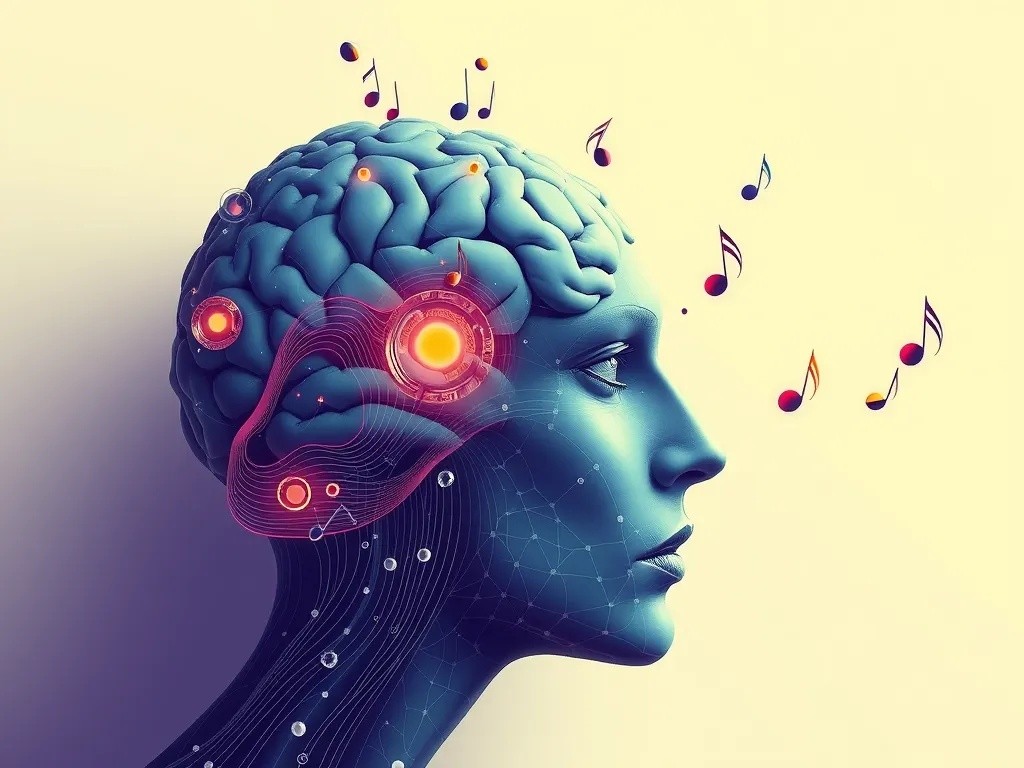
Music has the profound ability to enhance experiences, shift moods, and express emotions that words cannot capture. Yet finding the right song for a specific moment often requires extensive searching through countless options. Artificial intelligence systems designed specifically for music curation are revolutionizing this process, analyzing emotional states, contextual situations, and personal preferences to deliver perfect musical matches for any feeling or activity. These intelligent systems understand music in ways that go far beyond simple genre categorization.
How AI Understands Music and Emotion
Modern music recommendation systems employ sophisticated artificial intelligence that analyzes songs across multiple dimensions. The technology doesn't just categorize music by genre or artist—it understands musical characteristics like tempo, energy, valence (emotional positivity), acousticness, danceability, and dozens of other attributes. By breaking songs into these component features, AI can identify subtle similarities between seemingly different tracks and understand why certain music fits particular moods or moments.
Technical Analysis Methods
AI systems use audio analysis to extract features directly from music files. Algorithms detect rhythm patterns, chord progressions, melodic structures, and instrumentation. Machine learning models trained on millions of songs recognize patterns associated with different emotional responses. The systems analyze lyrics using natural language processing to understand thematic content and emotional tone conveyed through words.
Key analytical capabilities include:
- Acoustic fingerprinting identifying unique sonic signatures of songs
- Emotional mapping connecting musical features to feelings
- Context recognition understanding activities and situations
- Personal taste modeling learning individual preferences over time
- Cultural and temporal awareness accounting for music trends and eras
Understanding Context and Moment
Activity-Based Recommendations
Intelligent music systems recognize that appropriate music varies dramatically depending on activity. Workout playlists need high-energy, rhythmic music with strong beats. Studying sessions require instrumental tracks or music with minimal distracting lyrics. Dinner party backgrounds call for socially engaging but non-intrusive selections. The AI understands these contextual needs and adjusts recommendations accordingly, often combining multiple factors like time of day, detected activity, and current location.
Emotional State Recognition
Advanced systems attempt to identify user emotional states through various means. Some analyze typing patterns, voice tone during voice commands, or facial expressions via device cameras. Others infer mood from explicitly stated feelings or recent listening history patterns. When someone feels stressed, the AI might suggest calming music or, alternatively, cathartic high-energy tracks depending on learned preferences for coping mechanisms.
Temporal and Environmental Factors
AI music curators consider time of day, weather conditions, and seasonal factors. Morning recommendations often feature energizing, optimistic music. Evening selections trend toward relaxing, contemplative tracks. Rainy day playlists differ from sunny afternoon mixes. The systems recognize that musical preferences shift with circadian rhythms and environmental conditions, adapting recommendations to these natural patterns.
Personalization and Learning
Building Individual Profiles
The most sophisticated music AI creates detailed profiles of individual users through continuous interaction. The systems track which recommended songs get skipped versus replayed, which artists receive frequent attention, and which musical characteristics appear consistently in saved music. Over time, the AI develops nuanced understanding of personal taste that goes beyond stated preferences to include unconscious patterns and subtle tendencies.
Discovery and Familiarity Balance
Good music curation balances comfortable familiarity with exciting discovery. AI systems calculate optimal ratios of known favorites to new recommendations, adjusting based on user receptiveness to novelty. Some people love constant musical exploration, while others prefer variations on familiar themes. The AI adapts to these preferences, introducing new music in ways that feel natural rather than jarring to individual listeners.
Real-World Applications
Streaming Service Integration
Major music streaming platforms rely heavily on AI recommendation engines. These systems generate personalized daily mixes, discover weekly playlists, and radio stations based on single songs or artists. The technology powers autoplay features that keep music flowing after playlists end, maintaining appropriate mood and style. Users discover more music they love while streaming services increase engagement and subscription retention.
Smart Home and IoT Integration
AI music systems integrate with smart home devices, automatically playing appropriate music as people move through their day. Morning routines might trigger energizing playlists. Evening wind-down periods initiate calming selections. The system might play party music when sensors detect multiple people gathering or switch to focus music when someone sits at their desk. This ambient musicality creates environments that respond intelligently to life's rhythms.
Therapeutic and Wellness Applications
Healthcare providers are exploring AI music recommendations for therapeutic purposes. Systems designed for anxiety reduction learn which musical characteristics calm individual patients most effectively. Sleep assistance programs create personalized soundscapes that evolve as users fall asleep. Fitness applications match music to workout intensity, adjusting tempo and energy to maintain optimal exercise motivation.
Benefits and Advantages
Overcoming Choice Paralysis
With millions of songs available through streaming services, choice overload becomes paralyzing. People spend excessive time searching for music instead of listening. AI curators eliminate this paralysis by confidently suggesting appropriate options. The reduction in decision-making burden allows people to simply enjoy music rather than constantly managing their listening experience.
Enhanced Emotional Experiences
Perfectly matched music amplifies emotional experiences in powerful ways. The right soundtrack makes workouts more effective, creative sessions more productive, and relaxation more complete. AI systems facilitate these enhanced experiences by consistently delivering appropriate musical choices that might take humans hours to curate manually.
Musical Education and Appreciation
AI recommendations expose listeners to artists, genres, and styles they might never discover independently. The technology bridges musical silos, helping fans of one genre appreciate related sounds in unexpected categories. This expanded musical exposure increases appreciation for diverse artistic expressions and broadens cultural understanding through music.
Challenges and Limitations
Filter Bubble Concerns
Over-personalization risks creating filter bubbles where listeners only hear music similar to existing preferences. This limits exposure to different perspectives and musical traditions. While AI excels at finding similar music, it might fail to introduce challenging or unconventional selections that expand musical horizons. Balancing personalization with diversity remains an ongoing challenge for recommendation systems.
Cultural and Contextual Misunderstanding
AI systems trained primarily on Western music may struggle with non-Western musical traditions that follow different structural principles. Cultural context affects how music is experienced and what's appropriate for various situations. An AI might recommend music considered culturally insensitive or contextually inappropriate without human oversight. These systems require diverse training data and cultural awareness to serve global audiences effectively.
Privacy and Data Sensitivity
Accurate music recommendation requires extensive personal data collection. The systems analyze listening habits, emotional states, daily routines, and location information. This detailed behavioral data raises privacy concerns, especially when combined with other personal information. Users must trust that their intimate musical preferences and associated emotional patterns are protected from misuse or unauthorized access.
Impact on Music Industry
AI music curation significantly influences which artists achieve success and how music is promoted. Playlist inclusion can make or break careers, giving AI systems substantial power over musical gatekeeping. Some artists create music specifically designed to appeal to recommendation algorithms rather than purely artistic expression. This optimization for AI preferences might influence musical creativity in concerning ways.
Conversely, AI recommendations help independent artists reach audiences without traditional marketing resources. The technology democratizes music discovery, allowing quality music to find listeners regardless of record label support. This access shift is transforming industry power dynamics and creating new opportunities for diverse artists.
Future Developments
Next-generation music AI will feature even deeper emotional intelligence. Systems might analyze biometric data like heart rate and brain activity to understand responses to music at physiological levels. Real-time adaptive soundtracks could shift seamlessly based on detected emotional changes, creating perfectly responsive musical environments.
Integration with virtual and augmented reality will enable spatially-aware music that changes based on virtual location and activity. AI might compose original music tailored precisely to individual preferences and current contexts rather than just recommending existing songs. Collaborative filtering could connect people with similar musical tastes for shared listening experiences and music discovery communities.
Conclusion
Artificial intelligence systems that understand music, emotion, and context are fundamentally changing how people experience and discover music. By analyzing complex interactions between musical characteristics, personal preferences, emotional states, and situational contexts, these intelligent curators deliver perfectly matched soundtracks for life's infinite moments. While challenges around personalization balance, cultural sensitivity, and privacy require ongoing attention, the benefits of always having appropriate music readily available are substantial. As AI technology continues advancing, music recommendation will become increasingly sophisticated, personal, and seamlessly integrated into daily life, ensuring that everyone always has the perfect song for whatever they're feeling or doing. The future of music isn't just about listening—it's about experiencing perfectly curated soundtracks that enhance every moment.