
In recent years, there has been a significant advancement in the field of Artificial Intelligence (AI) and Augmented Reality (AR). These technologies have become increasingly popular and have the potential to enhance virtual experiences in various fields such as gaming, education, healthcare, and...
Autonomous Combine Harvester Sets Record Wheat Harvest in Rostov: Agricultural Revolution Arrives
828
29.01.2026
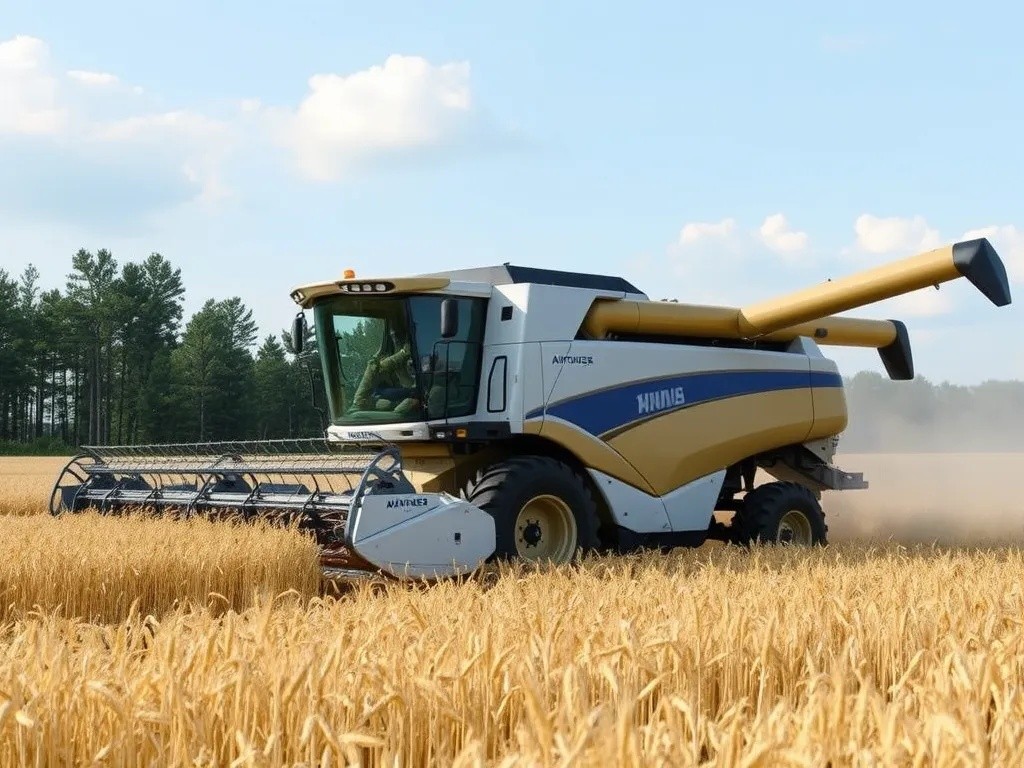
In a remarkable demonstration of agricultural technology, a fully autonomous combine harvester has completed a record-breaking wheat harvest in Russia's Rostov region. This achievement marks a significant milestone in the ongoing transformation of farming through robotics and artificial intelligence, potentially reshaping the future of global food production.
Breaking Records in the Russian Breadbasket
The Rostov region, often called the breadbasket of Russia, provided the perfect testing ground for this technological breakthrough. Operating across vast wheat fields without any human operator on board, the autonomous combine harvested an unprecedented volume of grain during the recent harvest season.
Impressive Performance Metrics
The autonomous machine achieved remarkable results across multiple performance indicators:
- Continuous operation for extended periods without fatigue-related errors
- Optimal harvesting speed adjustments based on crop density
- Minimal grain loss compared to human-operated equipment
- Precise navigation avoiding field obstacles and boundaries
- Reduced fuel consumption through efficient route planning
Technology Behind the Achievement
The autonomous combine represents years of engineering development combining multiple advanced technologies. At its core lies a sophisticated artificial intelligence system capable of making thousands of decisions per second to optimize harvesting operations.
Navigation and Sensing Systems
The machine relies on an array of sensors including GPS receivers, LIDAR units, cameras, and radar systems. These work in concert to create a detailed real-time map of the surrounding environment, enabling the combine to navigate precisely through fields while avoiding obstacles such as rocks, irrigation equipment, or wildlife.
Crop Analysis Capabilities
Beyond simple navigation, the system continuously analyzes crop conditions to optimize harvesting parameters. Sensors measure moisture content, crop height, and grain density, automatically adjusting cutting height and processing speed to maximize yield while minimizing waste.
Implications for Russian Agriculture
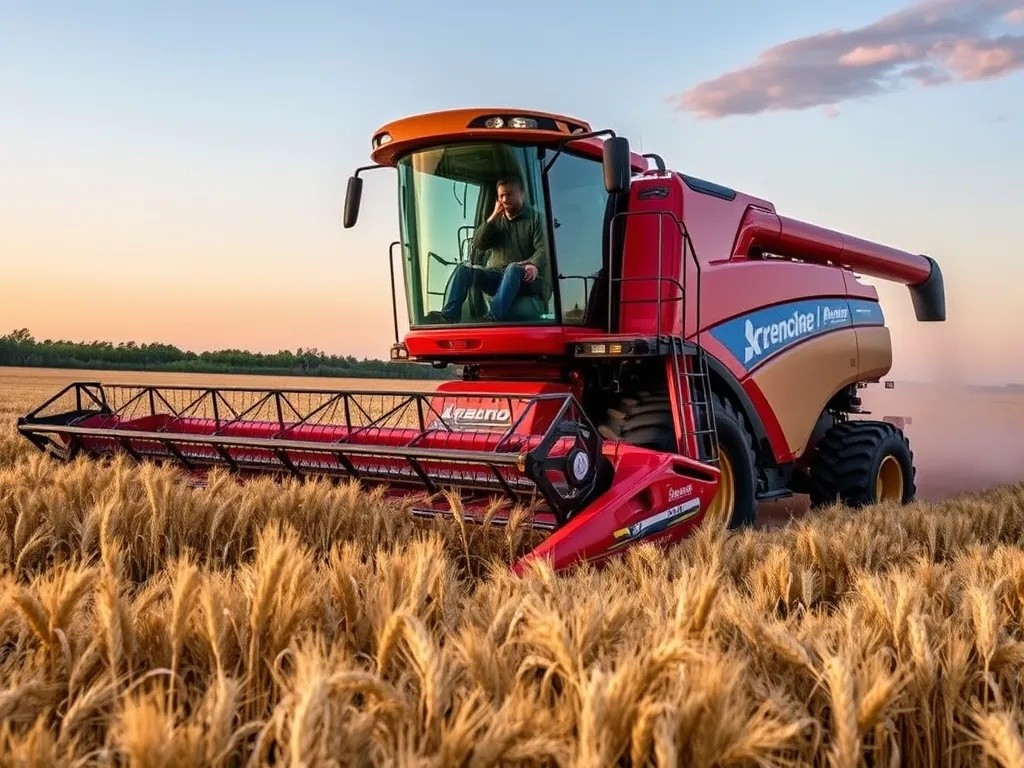
Russia's agricultural sector faces significant challenges including labor shortages, particularly in remote farming regions. The successful deployment of autonomous harvesting equipment could address these workforce gaps while improving overall productivity.
Agricultural officials have expressed enthusiasm about the potential for widespread adoption of such technology across the country's vast farmlands. The efficiency gains demonstrated in Rostov suggest that autonomous equipment could substantially increase Russia's agricultural output without requiring additional human labor.
Global Context and Competition
This achievement places Russia among the leading nations in agricultural automation, joining companies and research institutions from the United States, Europe, and Asia in developing autonomous farming equipment. The global market for agricultural robots is expected to grow substantially in coming years as farmers worldwide seek solutions to labor challenges and efficiency demands.
Challenges and Future Development
Despite the success in Rostov, significant challenges remain before autonomous harvesters become commonplace. Questions about maintenance in remote locations, performance in adverse weather conditions, and cybersecurity concerns all require ongoing attention from developers.
Nevertheless, this record-breaking harvest demonstrates that fully autonomous agricultural operations are no longer science fiction but practical reality. As technology continues advancing, we may soon see entire farming operations conducted by fleets of intelligent machines, transforming agriculture in ways that seemed impossible just decades ago.