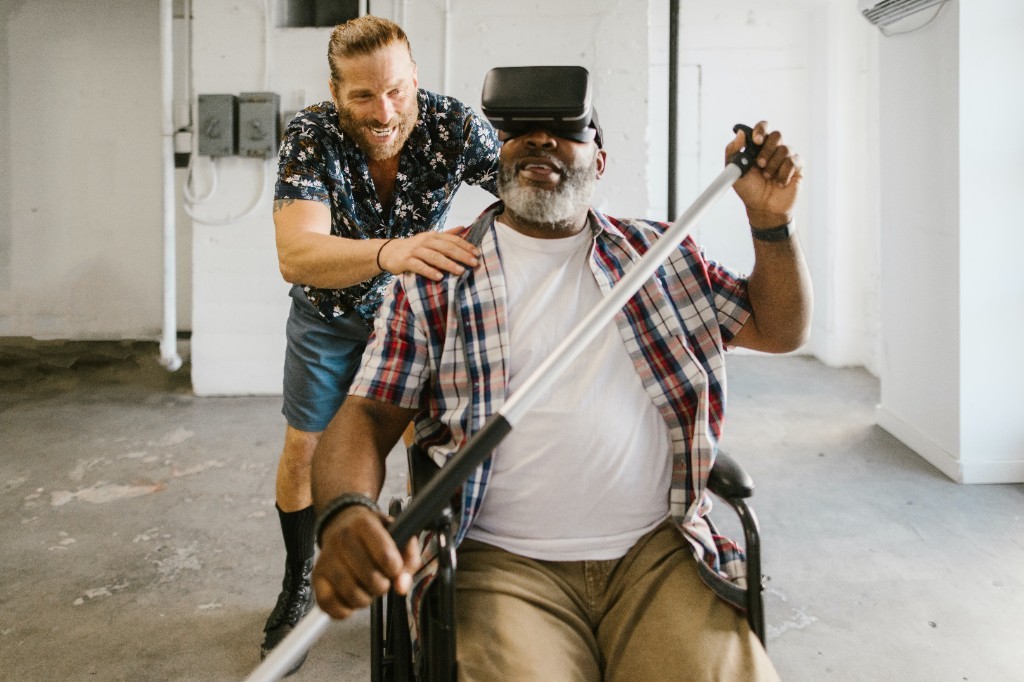
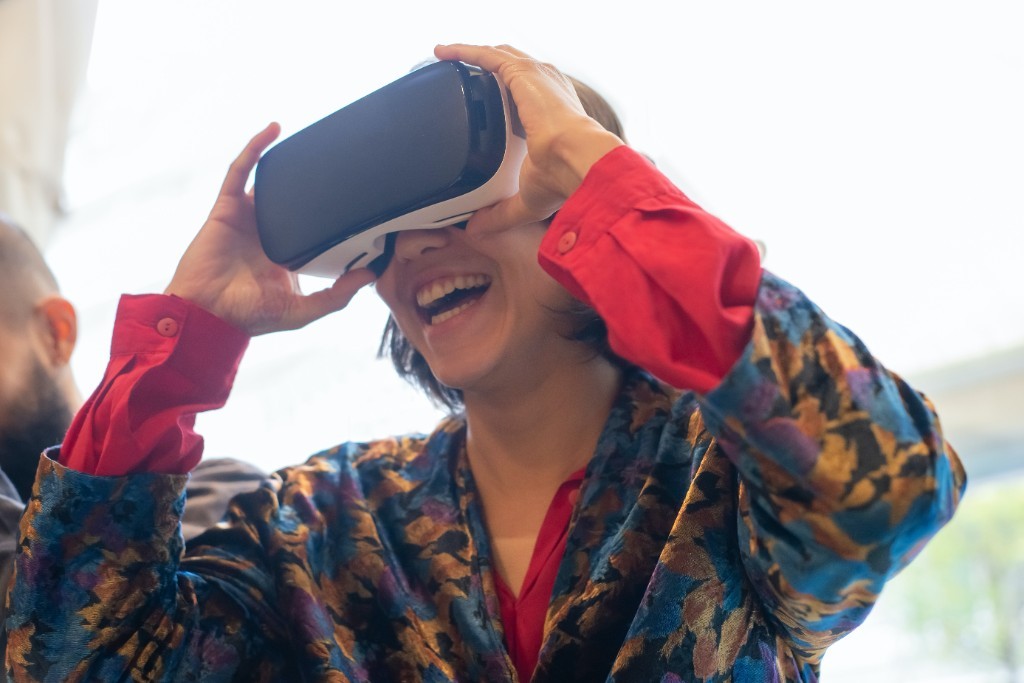
In recent years, there has been a significant advancement in the field of Artificial Intelligence (AI) and Augmented Reality (AR). These technologies have become increasingly popular and have the potential to enhance virtual experiences in various fields such as gaming, education, healthcare, and...
Computer Artist Paints Pictures That Sell For Thousands
462
26.11.2025
The Rise of Computational Creativity
In prestigious galleries around the world, a revolution is quietly unfolding. Artworks created by artificial intelligence systems are commanding prices that rival those of established human artists. These computer artists—sophisticated algorithms trained on vast datasets of art history—are producing original compositions that collectors and critics are increasingly recognizing as legitimate creative expressions.
Unlike early computer-generated art, which often felt mechanical or derivative, today's AI artists utilize advanced neural networks that can understand artistic concepts like composition, color harmony, emotional resonance, and cultural context. The results are works that don't merely imitate human creativity but explore entirely new aesthetic territories.
From Algorithms to Auctions
The landmark sale of "Portrait of Edmond de Belamy" by the French art collective Obvious for $432,500 at Christie's auction house marked a turning point in AI art recognition. Created by a generative adversarial network (GAN), this portrait demonstrated that computer-created artwork could command serious market attention. Since then, pieces by various AI systems have sold for increasingly impressive sums.
"Emergent Consciousness #7," created by the AI artist system called DeepPalette, recently fetched $96,000 at a specialized digital art auction. The abstract composition, which explores themes of technological awareness through swirling patterns that seem to form and dissolve recognizable shapes, captivated collectors with its conceptual depth and technical execution.
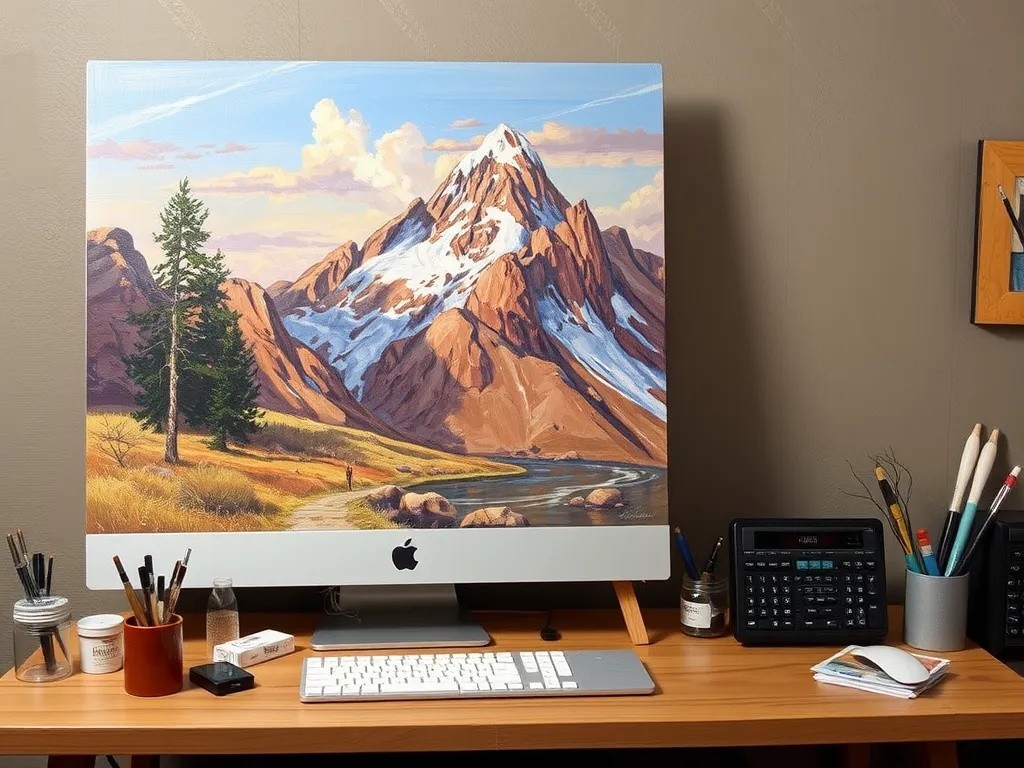
Even more remarkable was the sale of "Seasonal Memories," a series of four landscape paintings by the AI system NeuralCanvas, which sold as a collection for $157,000. Each painting represents a season interpreted through the computational "imagination" of the AI, drawing on thousands of landscape paintings across art history while creating something distinctively original.
The Technical Canvas
Modern AI art systems employ several sophisticated approaches:
- Generative Adversarial Networks (GANs): These pair two neural networks—a generator and discriminator—that work in opposition to refine outputs until they meet aesthetic standards.
- Style Transfer Algorithms: These separate content from style, allowing the AI to apply artistic techniques to new subject matter.
- Reinforcement Learning: Systems improve through feedback, learning which artistic choices receive positive responses.
- Transformative Models: These understand relationships between visual elements and can generate coherent compositions based on conceptual prompts.
- Evolutionary Algorithms: Artworks "evolve" through successive generations, with the most aesthetically successful traits passed forward.
From Digital to Physical
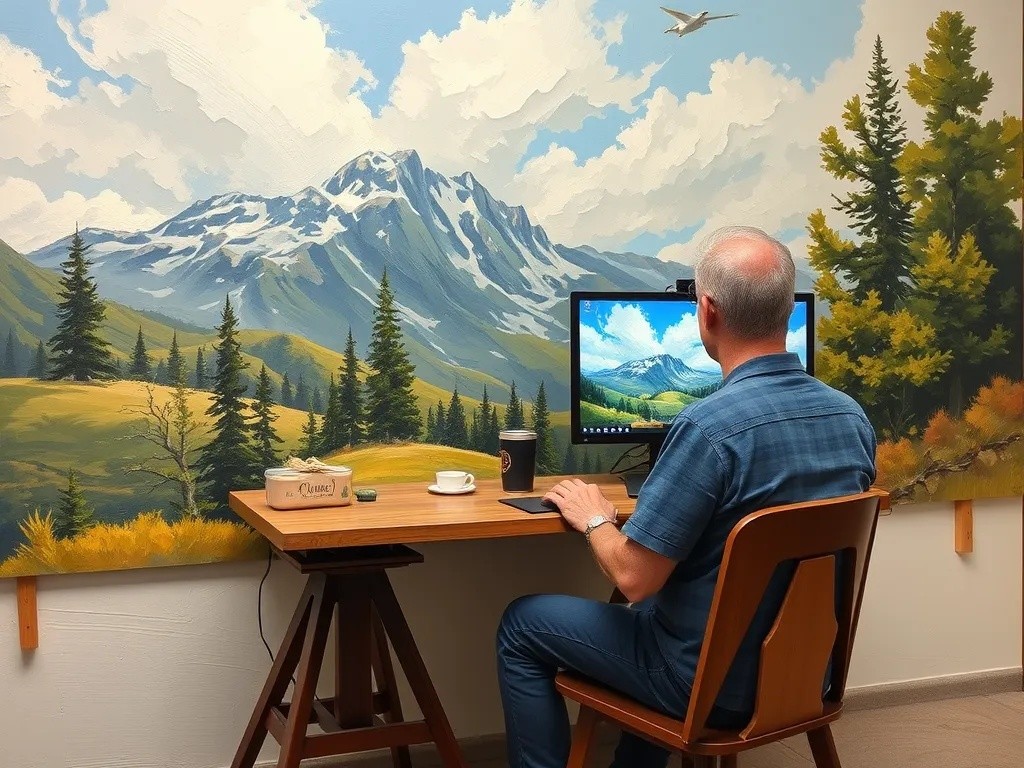
While many AI artworks exist as digital files, a growing number are being translated into physical media. Specialized robotic systems can now apply paint to canvas with remarkable precision, recreating the digital compositions with actual pigments and textures. Some systems even analyze the brushstroke techniques of master painters to replicate not just visual appearance but physical texture.
Other approaches include high-resolution printing on traditional art media, sometimes with hand-applied varnishes or embellishments that bridge the digital-physical divide. These physical manifestations have helped overcome some collectors' resistance to purely digital art forms, bringing AI creations into traditional gallery and museum contexts.
Challenging Notions of Creativity
The success of AI artists has sparked intense philosophical debate about the nature of creativity itself. Some argue that without consciousness or intention, a machine cannot truly create "art" in the meaningful sense. Others counter that if the output demonstrates originality, emotional impact, and technical skill, the creator's nature becomes secondary to the work itself.
Art historian Dr. Eleanor Westfield suggests: "Throughout history, we've continuously expanded our definition of art. From photography to found objects to digital media, each technological advance initially faced resistance before acceptance. AI art represents the next boundary we're pushing against."
The Human-AI Collaboration
Many of the most successful AI artworks emerge from human-machine collaboration rather than purely algorithmic creation. Human artists and curators often establish parameters, select training data, or choose final outputs from multiple AI-generated options. Some artist teams explicitly frame their AI systems as collaborative partners rather than tools.
The studio Algorithmic Harmony, for instance, describes their process as "conversational creation" where human artists provide conceptual direction and iterative feedback while their AI system explores possibilities that the humans might never have considered. Their works, which have sold for tens of thousands of dollars, credit both the human and AI contributors.
The Future of Computational Aesthetics
As AI systems continue to advance, their artistic capabilities are expanding in remarkable directions. Some are now incorporating real-time data streams to create "living artworks" that evolve based on factors like social media trends, weather patterns, or economic indicators. Others are developing personalization capabilities that can create art specifically tailored to an individual collector's aesthetic preferences and emotional responses.
Perhaps most intriguingly, some researchers are developing systems that can explain their artistic "decisions," providing insight into the computational creative process. This transparency may eventually help bridge the gap between human and machine creativity, revealing unexpected parallels between neural network operations and human artistic intuition.
While debate continues about the place of AI in the art world, the market has rendered its own verdict through steadily increasing prices. Whether viewed as novelties, legitimate art forms, or harbingers of a new creative paradigm, computer artists have established themselves as a significant force in contemporary aesthetics—one that challenges us to reconsider our understanding of creativity itself.