

In recent years, there has been a significant advancement in the field of Artificial Intelligence (AI) and Augmented Reality (AR). These technologies have become increasingly popular and have the potential to enhance virtual experiences in various fields such as gaming, education, healthcare, and...
Computer Composer Writes Music That Makes Babies Stop Crying
482
21.11.2025

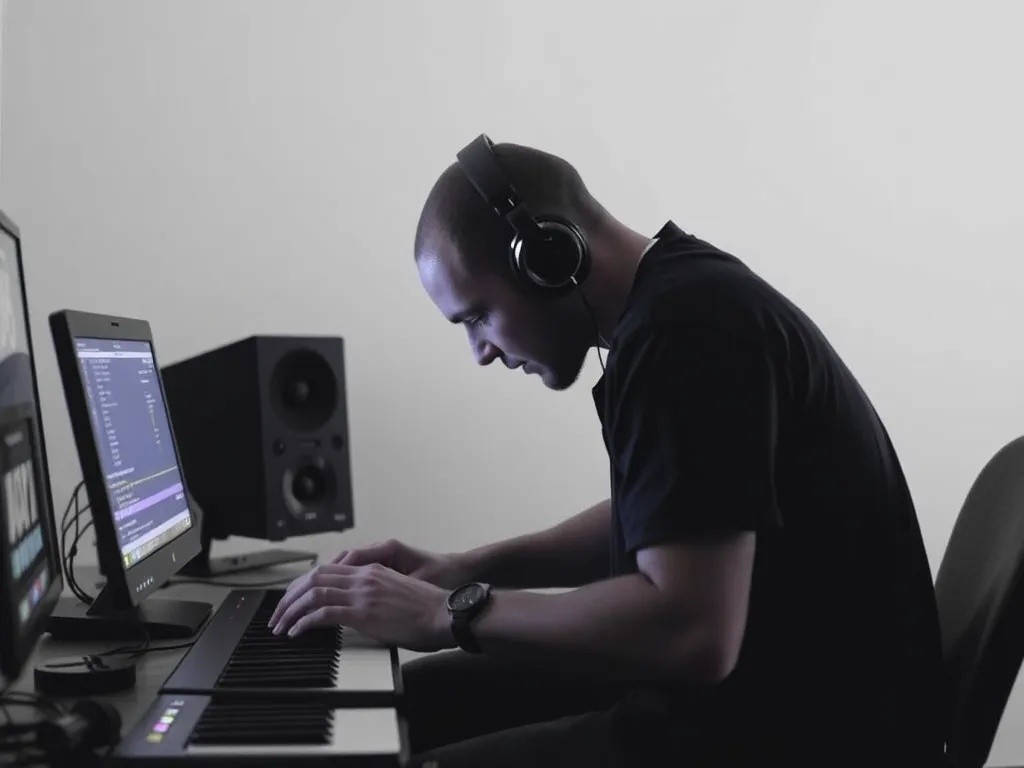
The challenging early months of parenthood might have found a technological ally. An innovative AI system – the Computer Composer – is gaining attention for its remarkable ability to generate music specifically designed to soothe crying babies. This specialized application of artificial intelligence merges developmental psychology, neuroscience, and machine learning to create audio that can transform tearful moments into peaceful ones.
The Science Behind Baby-Soothing Music
The Computer Composer's effectiveness isn't simply luck – it's rooted in substantial scientific research into how infants perceive and respond to sound. Babies process music differently than adults, with particular sensitivity to certain acoustic features that can either distress or calm them.
Key Musical Elements That Calm Infants
Research has identified several musical characteristics that typically have soothing effects on babies:
- Tempo matching prenatal heartbeat rates (around 70-80 beats per minute)
- Simple, repetitive melodic patterns that create predictability
- Gentle dynamic ranges without startling volume changes
- Frequencies that mimic in-utero sounds (low-frequency, filtered)
- Absence of complex harmonic structures that can overstimulate developing auditory systems
The Computer Composer analyzes and implements these elements, but goes significantly beyond simply following formulas. Its neural networks continually learn from infant responses, refining compositions to maximize effectiveness across diverse situations and individual babies.
How the AI Composition Process Works
The system employs a sophisticated multi-stage approach to create its baby-soothing compositions:
Acoustic Analysis and Response Monitoring
When activated, the system uses microphones to analyze:
- The specific acoustic signature of the baby's cry (pitch, intensity, rhythm)
- Environmental factors that might be contributing to distress
- Any patterns from previous successful soothing sessions
This real-time analysis feeds into the composition engine, which generates music tailored to the specific crying pattern it detects. More remarkably, the system continuously monitors the baby's response, making micro-adjustments to the composition as it plays – slightly altering tempo, timbre, or melodic elements based on how effectively the crying is subsiding.
Learning and Personalization
What truly sets the Computer Composer apart is its capacity to learn individual preferences. While all babies share some common responses to certain sound characteristics, significant variation exists between infants. The AI addresses this by:
- Building a personalized profile for each baby it encounters
- Tracking which compositional elements prove most effective for that specific child
- Adapting its approach based on time of day, feeding schedules, and other contextual factors
- Evolving its strategies as the baby develops and changes over time
Practical Applications in Parenting
The technology has been implemented in various forms to accommodate different parenting situations:
Home Systems and Mobile Applications
Parents can access the Computer Composer through dedicated hardware systems installed in nurseries or via smartphone applications. These implementations offer slightly different capabilities:
- Dedicated systems provide more sophisticated acoustic analysis and higher-quality sound production
- Mobile applications offer flexibility and portability for soothing on the go
- Some implementations integrate with smart home systems and baby monitors for automated activation
Results and Parent Feedback
Clinical trials and home usage data have shown promising results. Parents report:
- Average soothing time reduced by 47% compared to traditional methods
- Improved sleep duration for both infants and parents
- Reduced stress levels in household environments
- Greater confidence in managing difficult crying episodes
Ethical Considerations and Development Impacts
As with any technology affecting child development, important questions have been raised about potential long-term impacts. Researchers and pediatricians have been actively involved in studying these concerns.
Current evidence suggests that when used appropriately – as a supplement rather than replacement for human comforting – the technology poses no developmental risks. In fact, by reducing stress for both parents and babies, it may create more favorable conditions for secure attachment and healthy emotional development.
Usage Guidelines
Experts recommend:
- Limiting continuous exposure to 30-45 minutes
- Combining AI-generated music with physical comfort and presence
- Using the technology as one tool within a diverse soothing strategy
- Maintaining regular interaction with natural, non-generated music and sounds
Future Directions
The technology continues to evolve in several exciting directions:
Researchers are exploring applications beyond infant soothing, including compositions for children with sensory processing disorders, sleep disorders, and certain neurodevelopmental conditions. Early results suggest the same underlying technology might be adaptable to these related challenges.
Additionally, the vast dataset being generated through widespread use is providing unprecedented insights into infant auditory preferences and responses, contributing to our fundamental understanding of early human development.
As machine learning capabilities continue to advance, the Computer Composer represents just the beginning of AI applications designed to support some of the most challenging aspects of early parenting – helping create calmer, more harmonious environments for the crucial early months of life.