
In recent years, there has been a significant advancement in the field of Artificial Intelligence (AI) and Augmented Reality (AR). These technologies have become increasingly popular and have the potential to enhance virtual experiences in various fields such as gaming, education, healthcare, and...
Computer System Finds Lost Dogs Using Neighborhood Cameras
568
15.01.2026
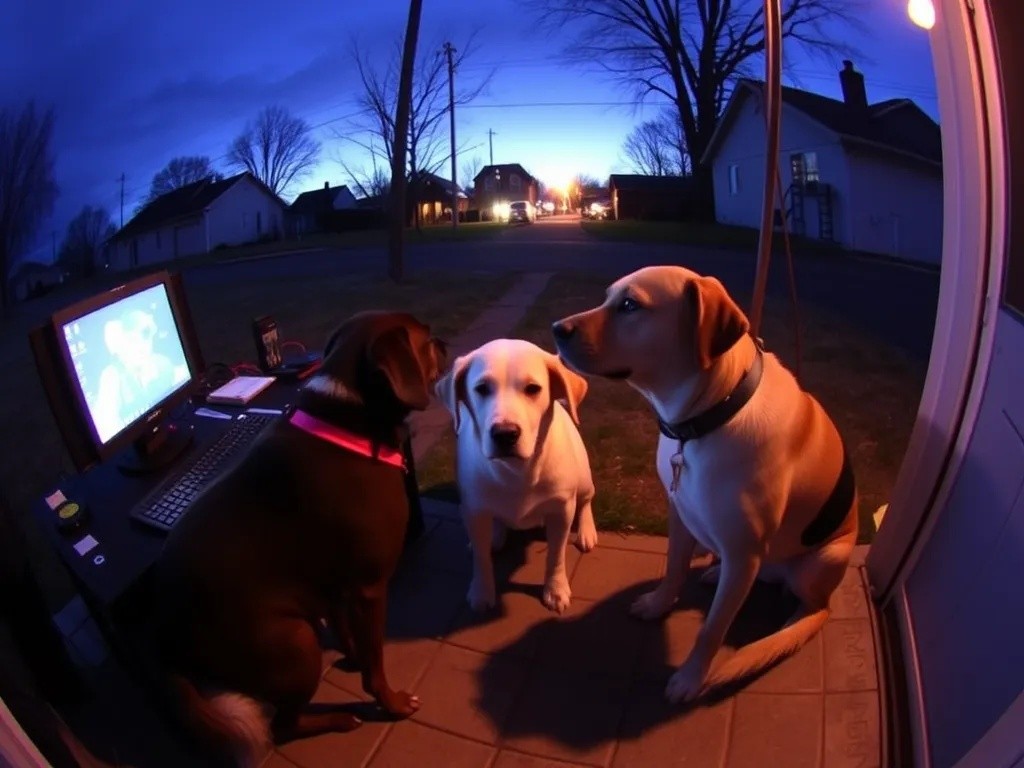
Every year, millions of dogs go missing, causing tremendous distress for both pets and their families. Traditional methods of finding lost dogs rely on paper flyers, social media posts, and searching neighborhoods on foot. However, a revolutionary computer system now harnesses the power of neighborhood security cameras and doorbell cameras to automatically track and locate missing pets. This technology combines artificial intelligence, image recognition, and community cooperation to dramatically increase the chances of reuniting lost dogs with their owners within hours instead of days or weeks.
How the Camera Network Functions
The system operates through voluntary participation from homeowners who already have security cameras or smart doorbells installed. Rather than requiring new equipment, the technology works with existing camera systems from major manufacturers. Participants install a small software application that allows their cameras to contribute to the lost pet network while maintaining privacy and security.
Privacy-Focused Design
The system prioritizes privacy through several important features:
- Cameras only analyze footage when specifically searching for a reported missing dog
- Human faces and other identifying information are automatically blurred or excluded
- Camera owners maintain complete control over their footage and can opt out anytime
- Only authorized users with verified lost dog reports can initiate searches
- Location data is generalized to protect exact addresses
Advanced Dog Recognition Technology
The artificial intelligence behind this system has been trained on millions of dog images representing hundreds of breeds and mixed breeds. When a dog is reported missing, owners provide several clear photographs of their pet. The AI system analyzes these photos to identify unique characteristics including size, color patterns, distinctive markings, collar details, and even gait or movement patterns if video is available.
Beyond Breed Identification
Unlike simple breed recognition, this system identifies individual dogs similar to how facial recognition identifies specific people. The AI examines subtle details like the exact pattern of spots on a coat, the shape of ear positioning, or unique color variations that distinguish one chocolate Labrador from thousands of others. This precision ensures that search results genuinely match the missing pet rather than just finding dogs of the same general type.
Real-Time Search Process
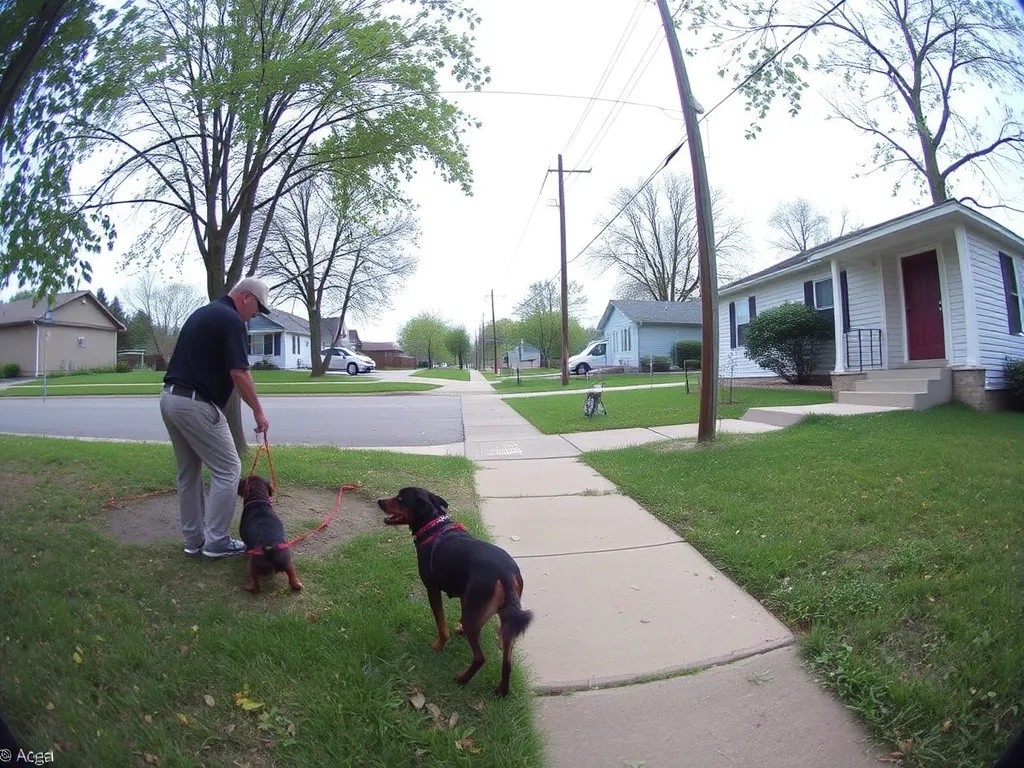
When someone reports a dog missing through the system, the computer immediately begins analyzing footage from participating cameras in the area. The search starts with cameras near the dog's last known location and expands outward in concentric circles. Because dogs typically travel along certain types of routes like sidewalks, parks, and residential streets, the system prioritizes cameras along these common paths.
Timeline Reconstruction
As the system identifies potential sightings, it constructs a timeline showing where the dog was spotted and when. This creates a trail that helps predict the dog's current location and direction of travel. If multiple cameras capture the dog over time, the system can calculate approximate speed and heading, allowing search teams to focus their efforts in the most likely areas. This dramatically improves the efficiency of physical searches compared to randomly walking neighborhoods hoping for a sighting.
Community Alert System
When the system locates a potential match, it immediately alerts the dog's owner with the location and timestamp of the sighting. Simultaneously, it notifies nearby community members who have volunteered to help with pet recovery efforts. These local volunteers receive alerts on their smartphones showing the dog's photo and last known location, allowing them to keep watch while going about their daily activities.
The system also integrates with local animal control agencies and veterinary clinics, ensuring that if someone brings in a found dog matching the description, automatic notification occurs. This multi-layered approach creates an extensive safety net that significantly improves recovery rates.
Success Stories and Statistics
Communities using this system report recovery rates above eighty percent for dogs missing less than twenty-four hours, compared to approximately forty percent with traditional methods. The average time to recovery has dropped from over three days to under eight hours. These improvements translate to reduced stress for animals who spend less time lost and frightened, and enormous relief for worried families.
Special Cases
The system proves particularly valuable for elderly dogs with medical conditions who wander from yards, anxious dogs who bolt during thunderstorms, and pets that escape during travel or relocation. In rural areas where traditional methods struggle due to vast spaces and limited population density, the camera network can track dogs traveling along roads even when residences are far apart.
Future Enhancements
Developers are working on expanding the system to locate lost cats, though feline behavior patterns present unique challenges. Integration with drone cameras could help search large parks or wooded areas where ground cameras are scarce. Machine learning improvements continue to enhance recognition accuracy, especially for mixed-breed dogs with complex coat patterns.
This technology demonstrates how artificial intelligence and community cooperation can solve practical problems that cause real emotional distress. By transforming existing security cameras into a collaborative pet recovery network, the system provides hope and tangible results for families dealing with the frightening experience of a lost dog.