

In recent years, there has been a significant advancement in the field of Artificial Intelligence (AI) and Augmented Reality (AR). These technologies have become increasingly popular and have the potential to enhance virtual experiences in various fields such as gaming, education, healthcare, and...
Digital Agronomist: Smart Guidance for Planting and Watering
1184
16.02.2026
Introduction to Agricultural Automation
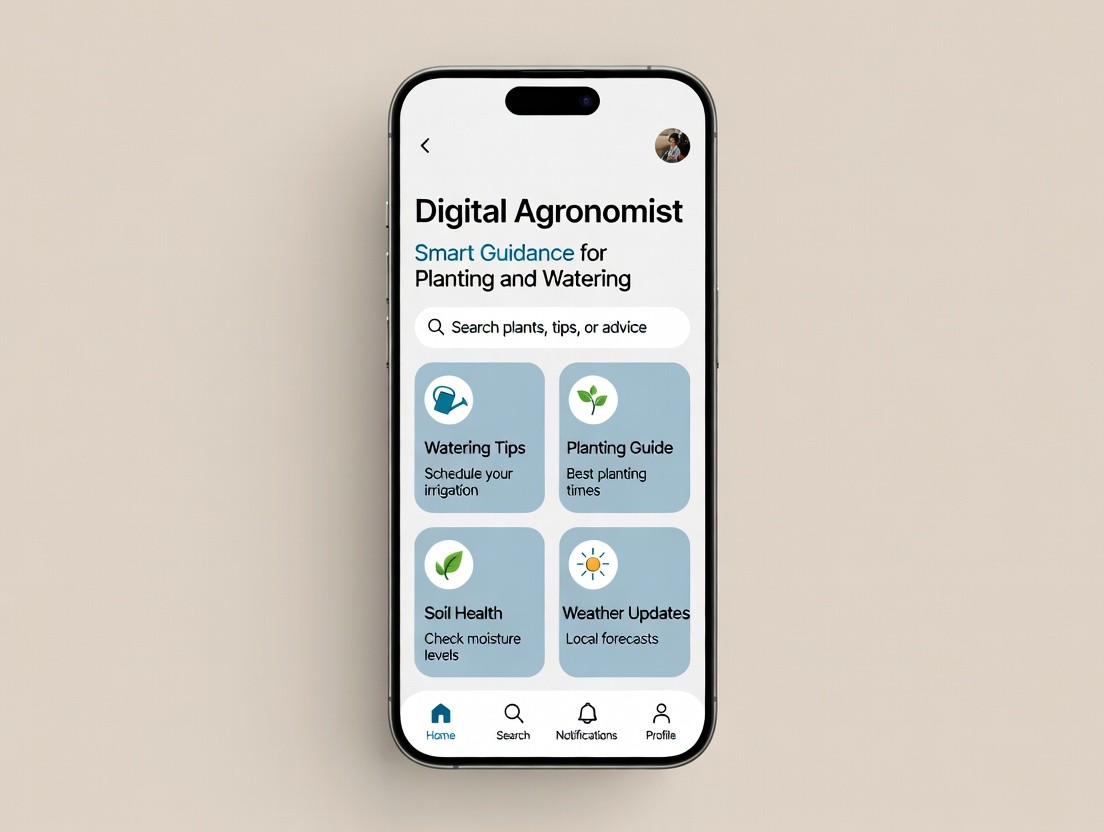
The agricultural industry is undergoing a significant transformation thanks to artificial intelligence and digital technologies. Modern farmers now have access to sophisticated tools that provide expert guidance on critical farming decisions. One of the most promising innovations is the digital agronomist—an AI-powered system that analyzes numerous variables to offer precise recommendations on when to plant crops and how to water them effectively.
How Digital Agronomists Work
Data Collection and Analysis
Digital agronomists gather data from multiple sources including weather stations, soil sensors, satellite imagery, and historical farming records. These systems process vast amounts of information to create accurate predictions tailored to specific locations and crop types. The algorithms consider factors such as soil moisture content, temperature patterns, precipitation forecasts, and local climate conditions.
Key Variables Monitored
The systems track several important parameters:
- Soil temperature and pH levels
- Atmospheric humidity and rainfall patterns
- Ground water availability
- Seasonal temperature variations
- Crop-specific growth requirements
Benefits for Farmers
Increased Crop Yields
By following precise recommendations from digital agronomists, farmers can optimize their planting schedules and irrigation practices. This leads to healthier plants and significantly higher crop yields. The AI systems learn from past seasons and continuously improve their predictions.
Water Conservation
One of the most critical benefits is water efficiency. Digital agronomists prevent both overwatering and underwatering by providing exact irrigation schedules. This conservation is particularly important in regions facing water scarcity, where every drop counts for sustainable agriculture.
Cost Reduction
Optimized resource management translates directly to lower operational costs. Farmers spend less on water, fertilizers, and energy while simultaneously increasing productivity. Many agricultural businesses have reported reduction in costs by up to thirty percent after implementing digital agronomist systems.
Real-World Applications
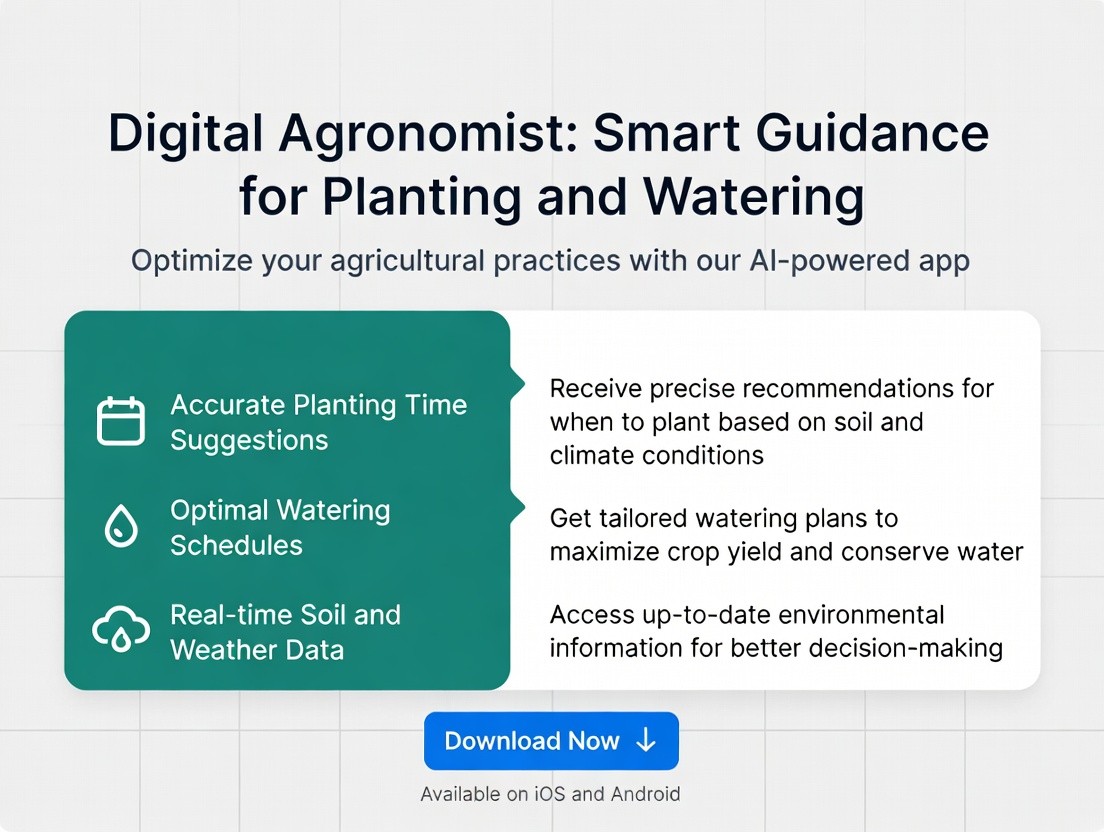
Digital agronomists are already being deployed across various agricultural regions worldwide. In developing countries, these systems help smallholder farmers make better decisions without requiring extensive agricultural expertise. In developed nations, they enhance the operations of large-scale commercial farms.
Case Studies
Several agricultural cooperatives in North America and Europe have successfully integrated digital agronomists into their operations. These implementations have demonstrated improvements in crop quality, reduced water usage by up to forty percent, and enhanced overall farm profitability. Farmers using these systems report greater confidence in their planting decisions and more consistent harvests year after year.
Challenges and Future Development
Current Limitations
While promising, digital agronomist technology still faces challenges. The accuracy depends heavily on quality sensor data, which requires infrastructure investment. Rural areas with limited connectivity may struggle to fully utilize these systems. Additionally, different crops and regional variations require continuous algorithm refinement.
Future Improvements
Developers are working on making these systems more accessible and affordable for small farmers. Integration with IoT devices and drones will provide even more detailed environmental data. Machine learning models will become increasingly sophisticated, enabling predictions that account for climate change impacts and emerging crop diseases.
Conclusion
Digital agronomists represent a fundamental shift in how agriculture is practiced. By combining artificial intelligence with traditional farming knowledge, these systems empower farmers to make data-driven decisions that maximize yields while conserving resources. As technology becomes more accessible and affordable, digital agronomists will likely become standard tools in modern farming operations worldwide. The future of sustainable, efficient agriculture is being shaped by these intelligent digital advisors, promising better harvests and environmental stewardship for generations to come.