

In recent years, there has been a significant advancement in the field of Artificial Intelligence (AI) and Augmented Reality (AR). These technologies have become increasingly popular and have the potential to enhance virtual experiences in various fields such as gaming, education, healthcare, and...
Digital Architect Designs Homes for Specific Families
484
04.04.2026
The Changing Nature of Home Design
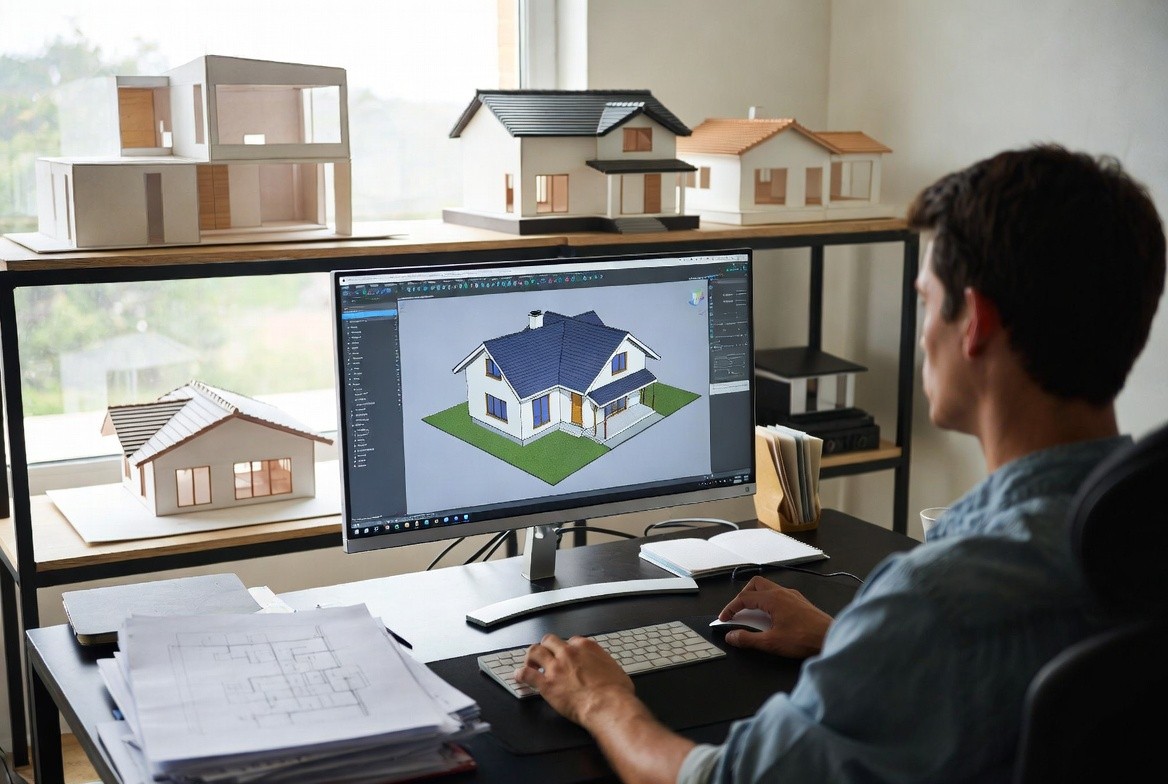
Designing a house has traditionally been a complex process that requires collaboration between architects, engineers, and homeowners. Architects must consider many factors, including family size, lifestyle preferences, environmental conditions, and budget limitations. While professional architects can create highly personalized designs, the process often requires multiple consultations and revisions.
Advances in artificial intelligence are beginning to transform the architectural design process. A new generation of AI-powered systems, sometimes called digital architects, can analyze large amounts of information about a family’s needs and automatically generate customized house designs. These systems combine architectural principles, building regulations, and user preferences to create homes tailored specifically for the people who will live in them.
This technology allows families to explore design possibilities quickly and receive personalized architectural concepts within minutes.
How the Digital Architect Works
The digital architect is usually accessed through specialized software platforms or web applications. Families begin by entering detailed information about their lifestyle, preferences, and household structure. The AI system processes this data and generates architectural layouts that match the provided requirements.
The system relies on machine learning models trained on thousands of residential building designs. These models understand spatial relationships, structural requirements, and functional design patterns.
Information Used by the AI System
- Number of family members
- Preferred number of rooms and bathrooms
- Work-from-home or study space needs
- Outdoor areas such as gardens or terraces
- Budget constraints and construction materials
Using this information, the digital architect creates floor plans that balance comfort, efficiency, and architectural style.
Personalized Layout Planning
One of the most important aspects of home design is creating a layout that supports everyday family activities. AI-based systems analyze how families use different spaces and organize rooms accordingly.
For example, families with young children may require play areas and safe indoor layouts, while remote workers may prioritize quiet home offices. The AI system evaluates these factors and arranges rooms in a way that improves daily life.
Examples of Personalized Layout Features
- Open living areas for family interaction
- Dedicated home office spaces
- Separate quiet zones for studying
- Flexible guest rooms
- Energy-efficient kitchen and dining areas
These features ensure that the house design reflects the specific needs of the family rather than following a generic template.
Integration with Environmental Data
Modern digital architecture systems also consider environmental conditions when designing homes. The AI system can analyze climate data, sunlight patterns, and local building regulations to create houses that are both comfortable and energy-efficient.
For example, the software may recommend large windows on certain sides of the building to maximize natural light or suggest shading elements to reduce heat during summer months.
By incorporating environmental analysis into the design process, digital architects can help create homes that consume less energy and provide healthier living environments.
Advantages of AI-Assisted Architecture
Digital architectural tools provide several benefits for both homeowners and professional architects. Instead of replacing architects, these systems serve as powerful design assistants that accelerate the creative process.
- Faster generation of architectural concepts
- Highly personalized home designs
- Better use of available space
- Improved energy efficiency
- Reduced design costs for homeowners
Architects can review AI-generated designs and refine them further, combining human creativity with computational analysis.
Visualization and Interactive Design
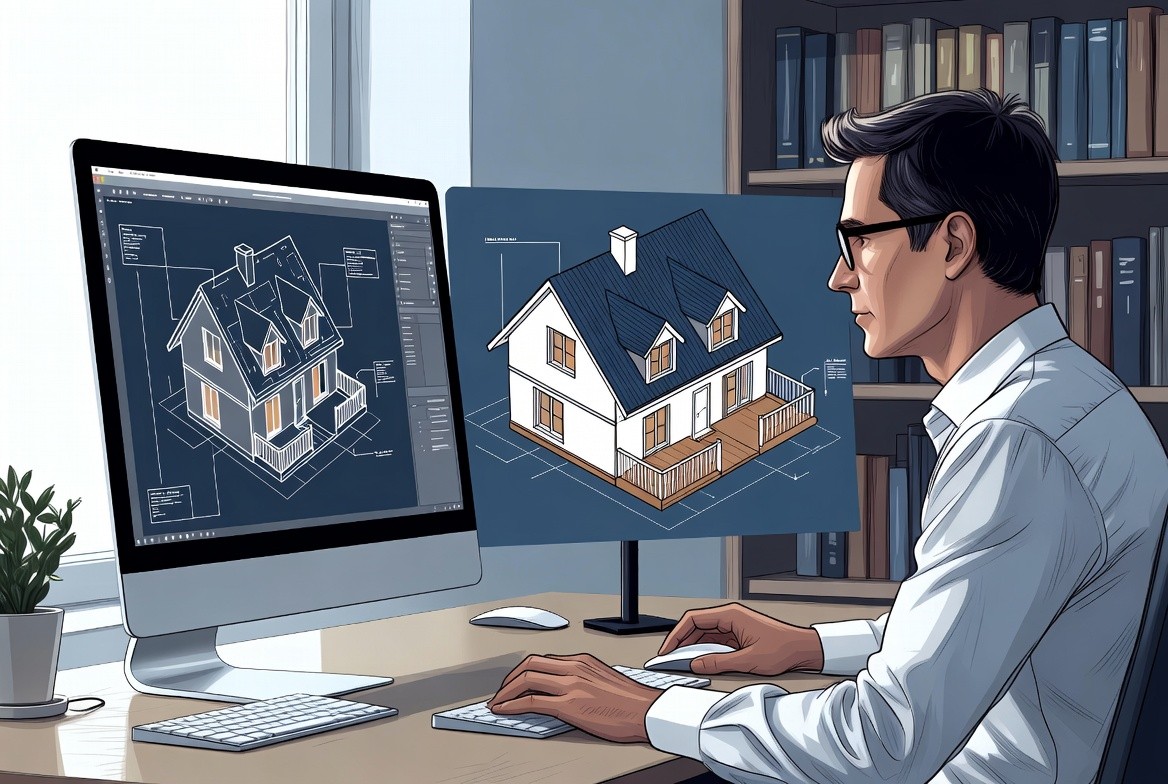
Many digital architecture platforms include advanced visualization tools that allow families to explore their future homes in detail. Users can view three-dimensional models of the house, walk through rooms in virtual reality, and adjust design elements interactively.
This interactive process helps families understand how their home will look and function before construction begins. They can experiment with different layouts, materials, and interior arrangements until they find the design that best suits their needs.
The Future of AI in Residential Architecture
The development of digital architects represents a significant step toward more personalized housing solutions. As artificial intelligence continues to evolve, these systems may become even more sophisticated.
Future technologies could analyze family routines automatically using smart home data and adapt architectural designs accordingly. AI systems may also integrate sustainable construction materials, optimize energy systems, and recommend building techniques that reduce environmental impact.
While human architects will always play an essential role in shaping creative and culturally meaningful spaces, digital tools are making architecture more accessible and efficient. By designing homes tailored to the specific needs of each family, digital architects are helping transform the way modern houses are planned and built.