
In recent years, there has been a significant advancement in the field of Artificial Intelligence (AI) and Augmented Reality (AR). These technologies have become increasingly popular and have the potential to enhance virtual experiences in various fields such as gaming, education, healthcare, and...
Digital Dietitian Creates Meal Plans from Food in Your Refrigerator
466
07.04.2026
The Rise of Smart Nutrition Technology
Healthy eating is one of the most common goals people set for themselves, yet it can also be one of the hardest habits to maintain. Many individuals struggle with planning balanced meals, managing grocery shopping, and avoiding food waste. Often, people already have enough ingredients at home but simply do not know how to combine them into healthy dishes.
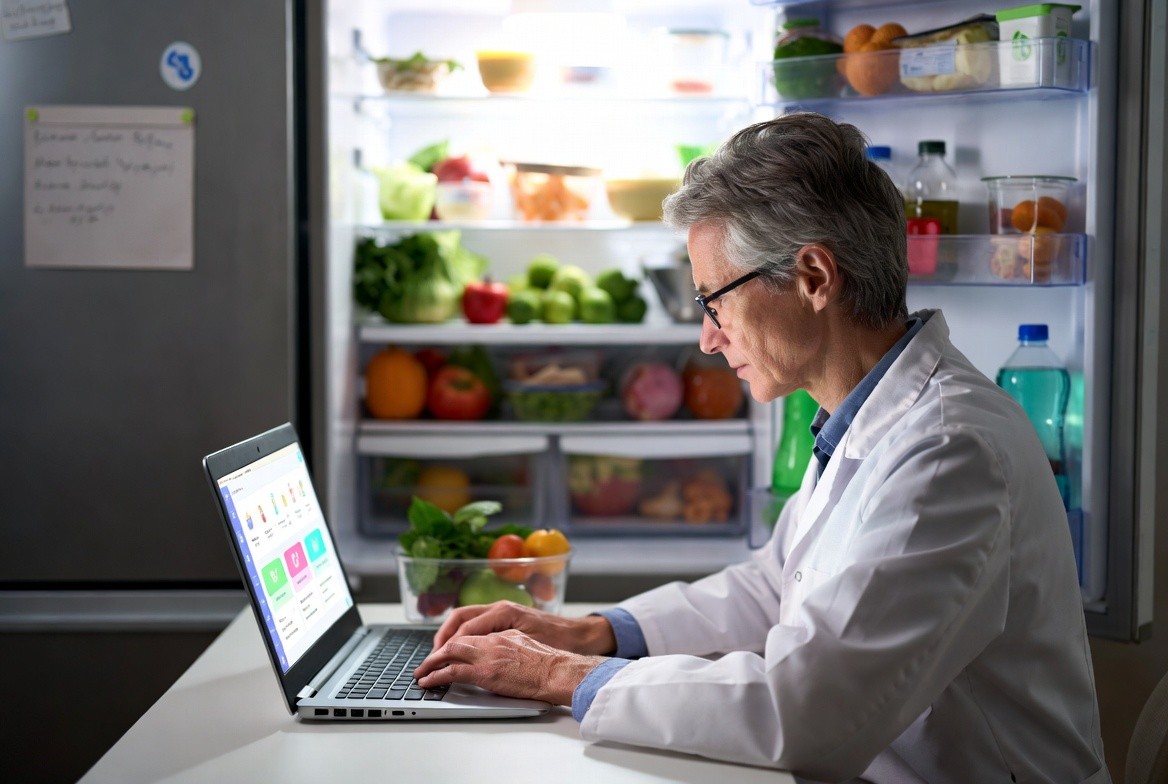
Recent advances in artificial intelligence and smart home technology have introduced a new solution: the digital dietitian. This intelligent system can analyze the contents of a refrigerator and automatically create meal plans based on the available ingredients. By combining nutritional science with data analysis, the digital dietitian helps people eat healthier while making better use of the food they already have.
How the Digital Dietitian Works
The digital dietitian is typically integrated into a mobile application or smart kitchen ecosystem. Users can input the products stored in their refrigerator manually or scan them using their smartphone camera. Some advanced systems are even connected to smart refrigerators that automatically track the items stored inside.
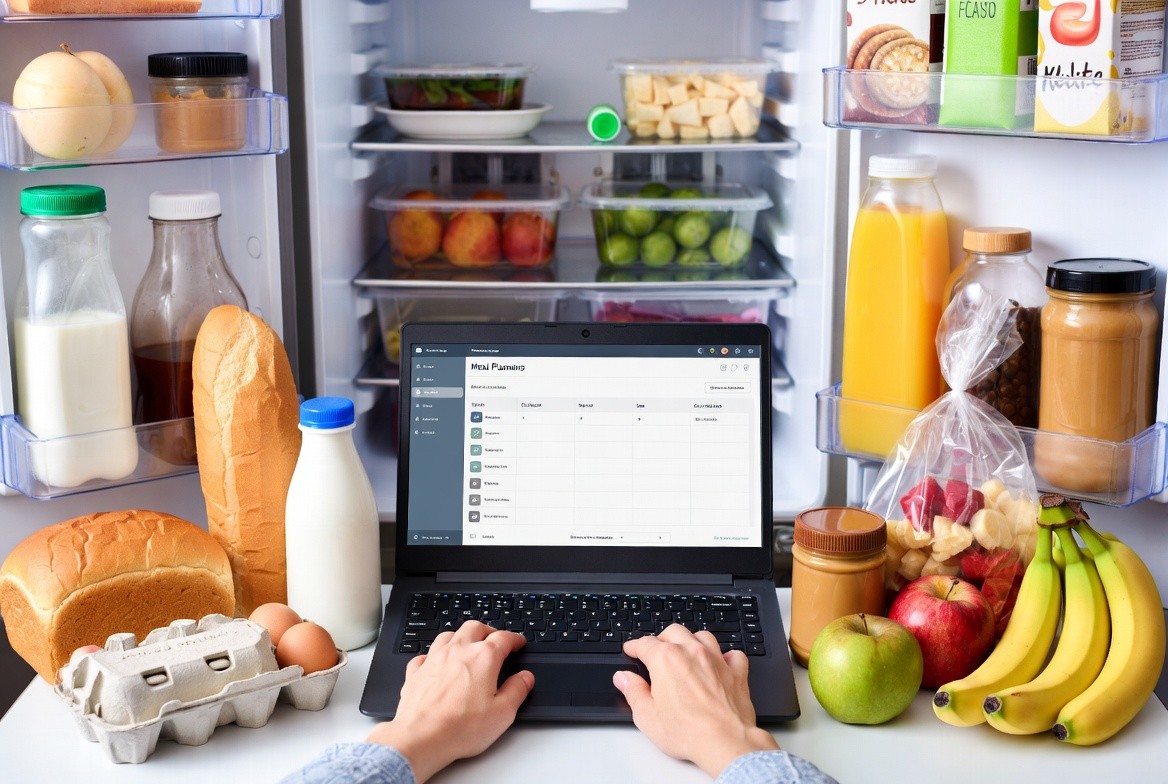
Once the system knows which ingredients are available, artificial intelligence algorithms analyze the products and generate meal suggestions. These suggestions take into account nutritional balance, dietary restrictions, and personal preferences.
Main Data Sources Used by the System
- Ingredient lists from the refrigerator
- Nutritional databases containing thousands of foods
- User dietary preferences and restrictions
- Calorie targets and health goals
- Expiration dates of stored products
By combining these data sources, the digital dietitian can recommend meals that use available ingredients while also meeting specific nutritional requirements.
Reducing Food Waste with Smart Meal Planning
One of the major advantages of a digital dietitian is its ability to reduce food waste. Many households throw away food simply because ingredients expire before they are used. The system tracks product freshness and prioritizes recipes that include ingredients approaching their expiration date.
This proactive approach ensures that food is used efficiently rather than wasted. It also helps users save money by reducing unnecessary grocery purchases.
Features That Help Prevent Food Waste
- Notifications about products nearing expiration
- Recipe suggestions based on soon-to-expire ingredients
- Automatic grocery list adjustments
- Inventory tracking inside the refrigerator
- Portion planning for household members
These features encourage smarter food management and make it easier to maintain a sustainable kitchen.
Personalized Nutrition Recommendations
Another powerful aspect of digital dietitians is their ability to personalize meal plans. Traditional diet programs often provide general advice that may not fit every individual. In contrast, AI-based systems analyze personal data to create customized recommendations.
Users can enter information such as age, weight, physical activity level, allergies, and health goals. The algorithm then calculates nutritional needs and adjusts meal suggestions accordingly.
Examples of Personalized Adjustments
- High-protein meals for athletes
- Low-sodium options for heart health
- Vegetarian or vegan meal planning
- Calorie-controlled diets for weight loss
- Balanced meals for family households
This personalized approach makes healthy eating more accessible and practical for everyday life.
Integration with Smart Kitchens
The digital dietitian concept is becoming even more powerful as smart kitchen technologies evolve. Modern smart refrigerators can monitor internal inventory using cameras and sensors. When combined with AI software, these appliances can automatically recognize products stored inside.
In such systems, the refrigerator becomes an active part of meal planning. It communicates with the dietitian application, updates the ingredient list, and suggests recipes directly on a touchscreen display or smartphone.
Some experimental systems even integrate with smart ovens and cooking devices that can automatically adjust cooking settings based on selected recipes.
The Future of AI Nutrition Assistants
Digital dietitians represent an early stage of a broader transformation in how people manage nutrition. As artificial intelligence continues to improve, future systems may become even more sophisticated. They may analyze long-term eating patterns, health data from wearable devices, and metabolic information to create highly personalized dietary strategies.
Future versions could also integrate voice assistants, allowing users to ask questions like “What can I cook tonight?” or “Create a healthy breakfast using what I already have.” The system could then instantly generate several meal options.
By combining nutrition science, artificial intelligence, and smart kitchen technology, digital dietitians have the potential to simplify healthy eating while reducing food waste. For many households, this technology could become a valuable everyday assistant in building better eating habits.