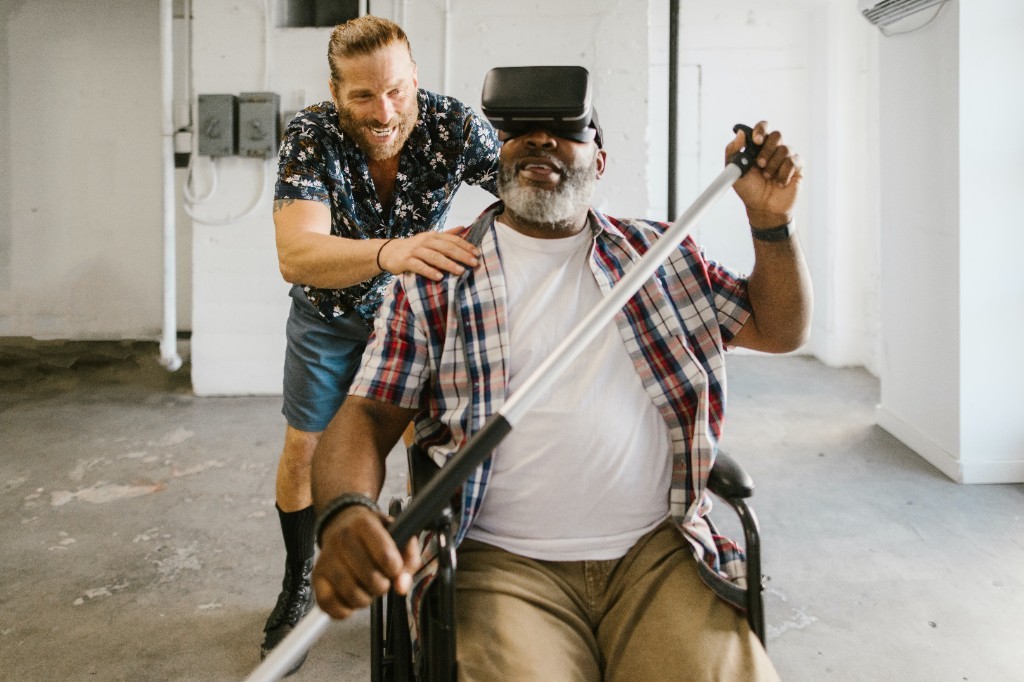

In recent years, there has been a significant advancement in the field of Artificial Intelligence (AI) and Augmented Reality (AR). These technologies have become increasingly popular and have the potential to enhance virtual experiences in various fields such as gaming, education, healthcare, and...
Digital Gardener Grows Bonsai Without Human Intervention
677
19.01.2026
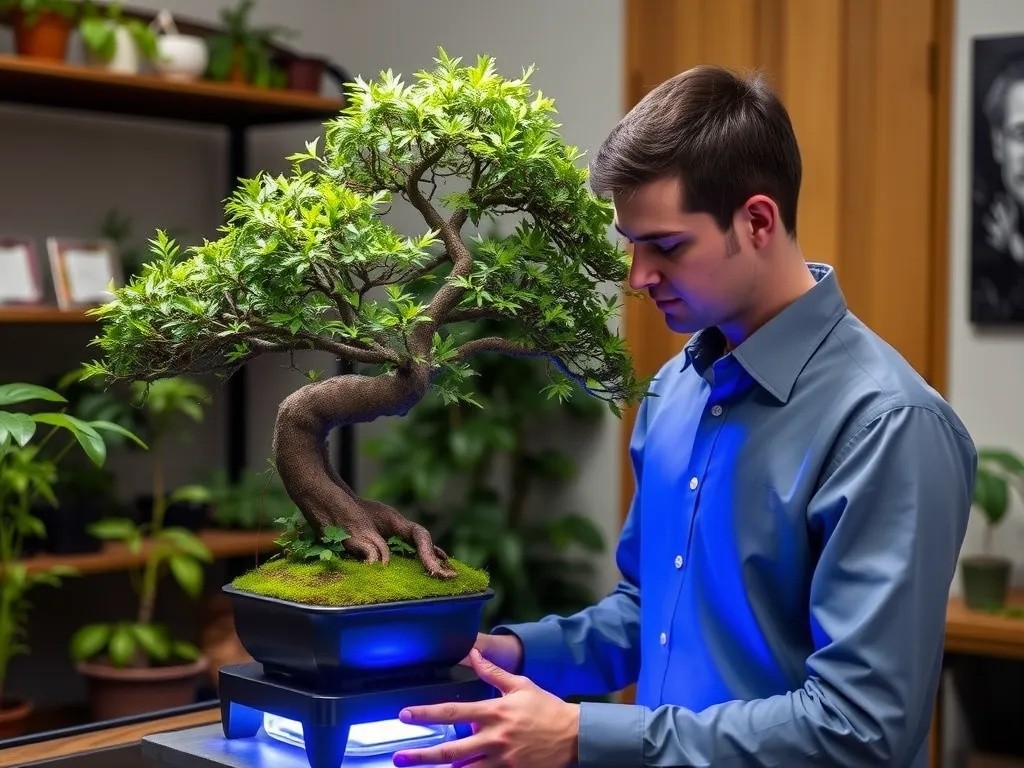
The ancient art of bonsai cultivation, which has been practiced for over a thousand years, is experiencing a technological revolution. A groundbreaking artificial intelligence system, aptly named the Digital Gardener, has demonstrated the remarkable ability to grow and maintain bonsai trees entirely without human assistance. This development marks a significant milestone in the intersection of traditional horticulture and cutting-edge technology.
How the Digital Gardener Works
The Digital Gardener combines several advanced technologies to replicate and even enhance the meticulous care that bonsai trees require. At its core, the system utilizes a sophisticated neural network trained on thousands of hours of expert bonsai cultivation footage and historical data from master gardeners across Japan, China, and other countries where this art form originated.
Sensor Technology and Environmental Monitoring
The system employs an array of sensors that continuously monitor critical environmental factors:
- Soil moisture levels measured at multiple depths
- Ambient temperature and humidity fluctuations
- Light intensity and duration throughout the day
- Nutrient concentration in the soil
- Root health indicators through specialized imaging
These sensors feed real-time data into the AI system, which processes the information and makes decisions about watering schedules, fertilization timing, and environmental adjustments.
Robotic Precision Pruning
Perhaps the most impressive feature of the Digital Gardener is its ability to perform precise pruning operations. Using robotic arms equipped with specialized tools, the system can trim branches, shape foliage, and wire branches with remarkable accuracy. The AI analyzes the tree's current form and compares it against thousands of reference images to determine the optimal pruning strategy.
The Learning Process
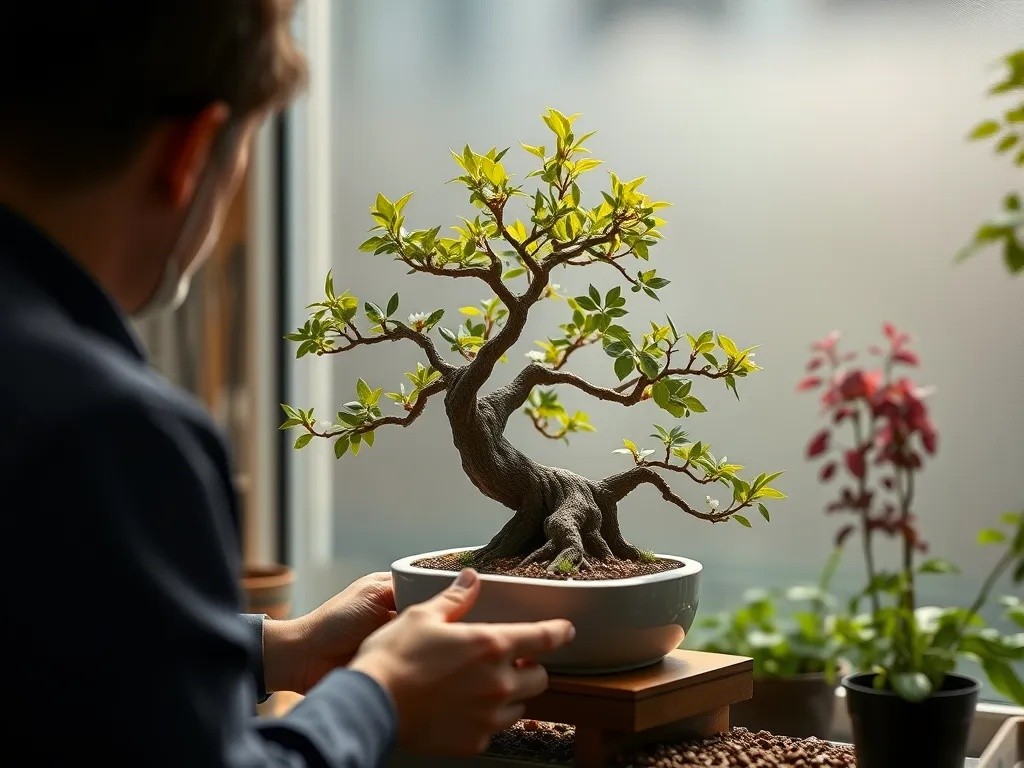
The development team spent three years training the AI system before it could operate autonomously. The training process involved collaboration with renowned bonsai masters who provided guidance on the subtle nuances of tree cultivation that cannot be easily quantified.
Pattern Recognition and Adaptation
One of the most challenging aspects was teaching the system to recognize early signs of stress or disease in the trees. The AI can now identify subtle changes in leaf coloration, branch flexibility, and growth patterns that might indicate problems weeks before they become visible to the untrained eye.
Results and Achievements
After eighteen months of autonomous operation, the Digital Gardener has successfully cultivated several bonsai specimens that have impressed traditional practitioners. The system has demonstrated particular success with:
- Japanese maple varieties requiring delicate seasonal care
- Juniper species needing precise humidity control
- Pine varieties demanding specific pruning techniques
Implications for the Future
While some traditionalists express concern about removing the human element from bonsai cultivation, others see tremendous potential in this technology. The Digital Gardener could help preserve endangered tree species, assist in large-scale conservation efforts, and make the art of bonsai more accessible to people who lack the time or expertise for traditional cultivation methods.
Educational Applications
The system also serves as an educational tool, allowing students to observe optimal cultivation techniques and understand the reasoning behind each decision the AI makes. This transparency helps bridge the gap between traditional knowledge and modern technology.
As artificial intelligence continues to advance, the Digital Gardener represents just the beginning of what may become a new era in horticulture, where ancient practices are preserved and enhanced through technological innovation.