
In recent years, there has been a significant advancement in the field of Artificial Intelligence (AI) and Augmented Reality (AR). These technologies have become increasingly popular and have the potential to enhance virtual experiences in various fields such as gaming, education, healthcare, and...
Digital Hair Stylist Shows Hairstyles On Your Face Before Cutting
520
02.01.2026
Introduction to Virtual Hair Styling Technology
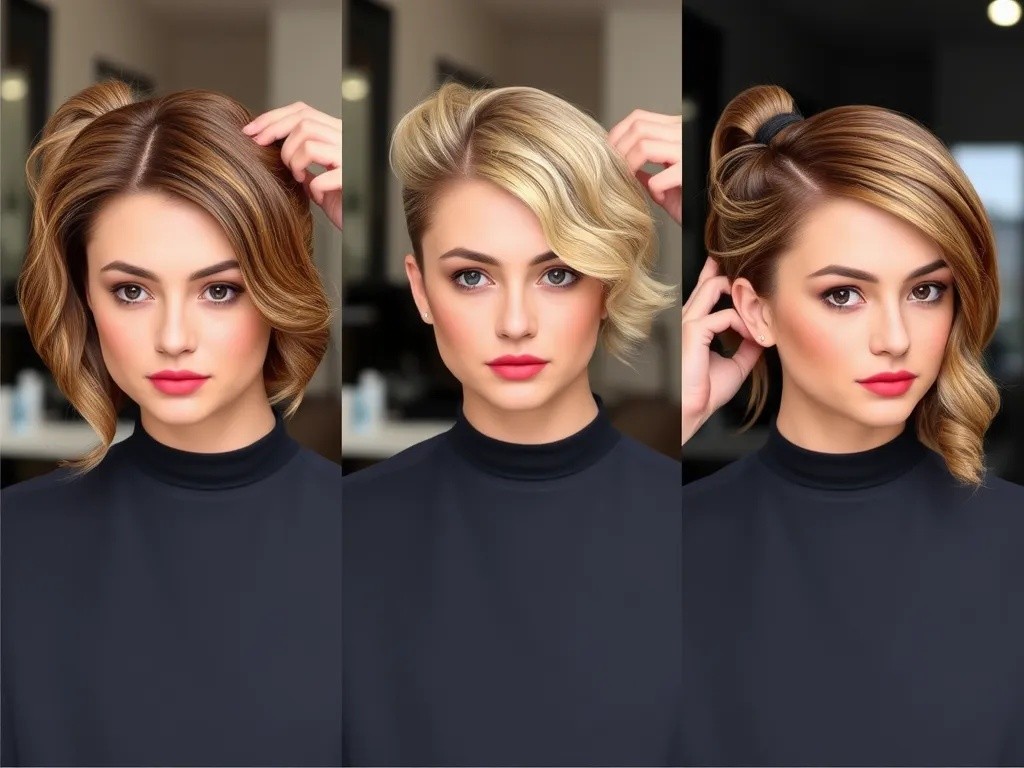
Getting a haircut has traditionally involved significant uncertainty and risk. People describe desired styles to stylists using vague language, browse through magazines hoping to find similar examples, or take chances on dramatic changes without really knowing how results will look. Virtual hair styling technology powered by artificial intelligence eliminates this guesswork by allowing people to see exactly how different hairstyles, colors, and lengths will appear on their own face before scissors make a single cut. This revolutionary approach to hairstyling combines facial recognition, 3D modeling, and realistic rendering to provide accurate, personalized previews that build confidence and ensure satisfaction with final results.
How Virtual Hair Styling Systems Work
Digital hair styling platforms employ sophisticated computer vision and graphics technology to create convincing visualizations. The process begins when users upload photographs or use device cameras to capture images of themselves from multiple angles.
Facial Analysis and 3D Mapping
Advanced AI algorithms analyze uploaded photos to identify key facial features including face shape, head proportions, hairline position, ear placement, and neck structure. This analysis creates a detailed 3D model of the user's head and face, accounting for individual characteristics that affect how different hairstyles will frame their features.
The system also evaluates current hair characteristics:
- Existing hair color, including natural tones and any dyed sections
- Hair texture classification (straight, wavy, curly, or coily)
- Hair thickness and density patterns
- Growth direction and natural part location
- Scalp visibility and coverage areas
This comprehensive analysis ensures that proposed hairstyle previews account for realistic hair behavior based on individual hair characteristics. Curly hair appears appropriately voluminous, while fine hair previews show realistic texture and density.
Hairstyle Rendering and Visualization
Once facial analysis is complete, users can select from extensive libraries containing thousands of hairstyles across all categories—short crops, medium-length styles, long flowing looks, updos, and everything in between. The AI system then renders chosen hairstyles onto the user's image with remarkable realism.
Advanced rendering technology ensures hairstyles look natural by properly simulating light reflection, shadows, and hair movement. The system adjusts hairstyle placement based on individual head shape, ensuring bangs fall naturally, side parts align correctly, and overall proportions match the user's specific facial structure.
Color Simulation and Experimentation
Beyond trying different cuts and styles, virtual hair styling platforms excel at color visualization. Users can preview any hair color imaginable, from natural shades to bold fashion colors, seeing exactly how each option complements their skin tone and facial features.
Realistic Color Rendering
AI color simulation accounts for existing hair color, understanding that achieving certain shades may require bleaching or multiple coloring sessions. The preview shows realistic color results based on current hair color, helping users set appropriate expectations. Trying platinum blonde on naturally dark hair displays achievable results rather than impossible fantasy outcomes.
The technology also simulates various color techniques including highlights, lowlights, balayage, ombre, and creative color placement. Users can experiment with subtle dimensional coloring or dramatic rainbow effects, seeing complete previews before committing to potentially time-consuming and expensive coloring processes.
Practical Applications and Benefits
Virtual hair styling technology benefits both consumers and professional stylists. For consumers, the ability to preview hairstyles eliminates anxiety about dramatic changes and prevents costly mistakes. People can confidently try bold new looks they might otherwise avoid from fear of disappointment.
Communication Between Clients and Stylists
Perhaps the most significant benefit involves improving communication between clients and stylists. Instead of struggling to describe desired looks verbally or hoping magazine photos convey intentions accurately, clients can show stylists precise visualizations of exactly what they want. This eliminates misunderstandings and ensures both parties share the same vision before cutting begins.
Professional stylists increasingly use these platforms during consultations, working collaboratively with clients to refine ideas and find styles that truly suit individual features, preferences, and lifestyles. The technology helps manage expectations by showing what's realistically achievable versus what might require significant time, maintenance, or prove impractical for specific hair types.
Home Hair Care and Maintenance
Virtual styling apps help people maintain hairstyles between salon visits by demonstrating proper styling techniques for specific cuts. Video tutorials can be matched to user's exact hairstyle, showing step-by-step instructions for achieving salon-quality results at home. This personalized instruction proves more helpful than generic styling guides.
Face Shape Recommendations and AI Suggestions
Advanced virtual styling platforms incorporate AI recommendation engines that suggest hairstyles specifically flattering for individual face shapes, features, and proportions. After analyzing facial structure, the AI identifies styles that will balance proportions, highlight best features, and minimize any areas of concern.
Personalized Style Matching
The system considers multiple factors when recommending hairstyles including face shape, forehead height, jawline definition, cheekbone prominence, and neck length. Recommendations also account for lifestyle factors—suggesting low-maintenance styles for busy professionals or elaborate options for those who enjoy daily styling routines.
Users can filter recommendations by preferred length, desired maintenance level, professional versus casual appearance, and trend preferences. This smart filtering helps narrow overwhelming choices into curated selections that genuinely suit individual needs.
Limitations and Realistic Expectations
While virtual hair styling technology provides highly realistic previews, important limitations exist. Digital simulations cannot perfectly replicate how hair will behave in three dimensions or account for every variable affecting final appearance. Hair texture variations, styling product effects, and daily wear patterns all influence real-world results in ways difficult to simulate precisely.
Physical Hair Constraints
Some hairstyles simply won't work with certain hair types regardless of how appealing they look in previews. Extremely short styles may not suit very curly hair, and some cuts require specific texture or thickness to look their best. Experienced stylists remain essential for assessing whether desired styles are physically achievable and will maintain their shape with regular wear.
Privacy and Data Security
Virtual styling apps require access to personal photos and facial data, raising privacy considerations. Reputable platforms implement strong security measures protecting user images and biometric information. Users should review privacy policies carefully, understanding how their photos will be used, stored, and whether they might be shared with third parties.
Some apps offer offline functionality that processes images locally on user devices rather than uploading to cloud servers, providing enhanced privacy for those concerned about facial data security.
Integration with Salon Services
Many professional salons now integrate virtual styling technology into their customer service experience. Clients can explore options using salon tablets during consultations or access salon-specific apps that showcase their stylists' previous work. Some advanced salons use augmented reality mirrors that display hairstyle previews in real-time, allowing clients to turn their heads and see styles from all angles.
Future Developments in Virtual Styling
Emerging technologies promise even more sophisticated virtual hair styling capabilities. Augmented reality integration will enable real-time previews through smartphone cameras, showing hairstyles as users move naturally. AI will provide increasingly accurate texture simulation, particularly for curly and textured hair types historically challenging to render realistically.
Future systems may incorporate aging simulations, showing how specific hairstyles might look as users mature, helping people make choices that will remain flattering long-term. Integration with smart mirrors could provide daily styling assistance, suggesting looks based on scheduled activities and current weather conditions.
Conclusion
Digital hair styling technology fundamentally transforms the hairstyling experience by eliminating uncertainty and enabling confident decision-making. Through sophisticated facial analysis, realistic rendering, and intelligent recommendations, these platforms help people discover styles that truly suit their features while facilitating clear communication with professional stylists. While virtual previews cannot replace skilled stylists' expertise, they serve as powerful tools that enhance satisfaction and reduce the risk inherent in permanent appearance changes.