In recent years, there has been a significant advancement in the field of Artificial Intelligence (AI) and Augmented Reality (AR). These technologies have become increasingly popular and have the potential to enhance virtual experiences in various fields such as gaming, education, healthcare, and...
Digital Memory Helper Reminds Seniors Where They Put Things
510
17.11.2025
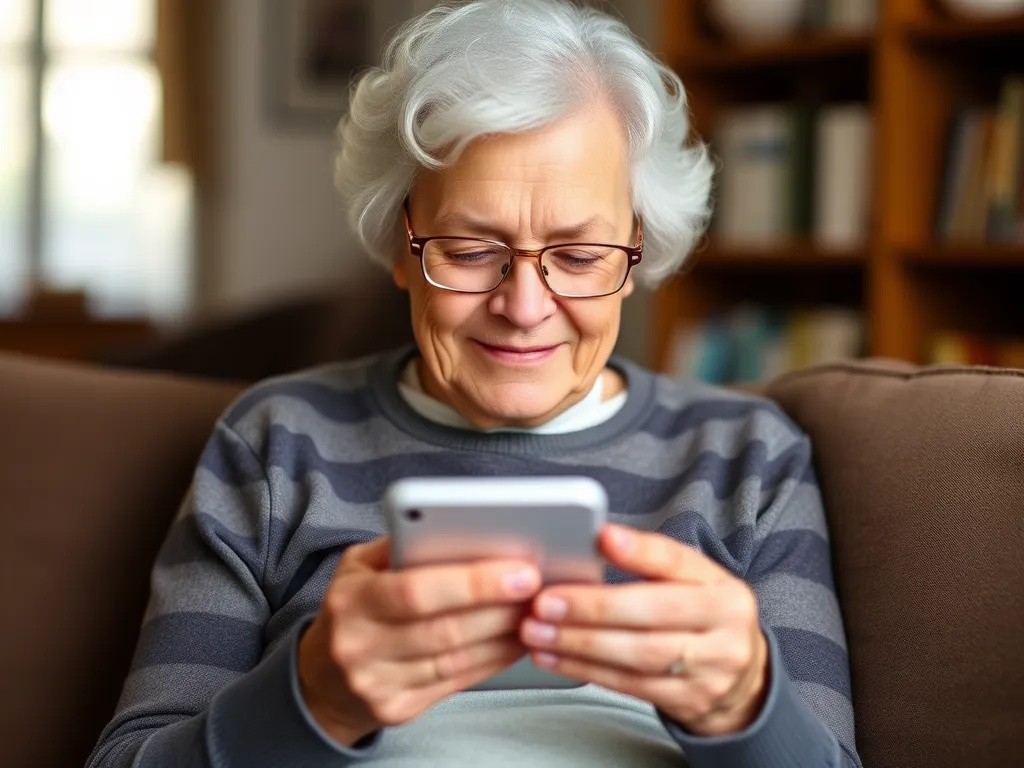
For many older adults, the occasional misplaced set of keys can evolve into a persistent source of frustration and anxiety. Age-related memory challenges can turn simple daily tasks into stressful treasure hunts, sometimes undermining seniors' confidence in their ability to live independently. The Digital Memory Helper represents a compassionate technological response to this common challenge, employing artificial intelligence and a network of discreet sensors to create a reliable external memory system for tracking personal belongings.
How Digital Memory Helper Works
At its core, the Digital Memory Helper combines environmental awareness with sophisticated object recognition and spatial mapping to maintain an always-current inventory of where important items are located throughout a home.
Hardware Components
The system consists of several integrated elements working together seamlessly:
- Miniature smart tags that attach to frequently misplaced items like keys, wallets, medications, and glasses
- Unobtrusive room sensors that mount on walls like small smoke detectors
- A central hub that coordinates the system and connects to voice assistants and smartphones
- Optional wearable component (pendant or watch) for immediate assistance without needing another device
Unlike simple tracking devices that only work when actively triggered, the Digital Memory Helper maintains continuous awareness of tagged items' locations, even tracking objects that haven't been specifically tagged through computer vision capabilities.
Sophisticated Tracking System
The technology employs multiple tracking methods to ensure reliability:
- Radio frequency identification for precise tracking of tagged items
- Computer vision cameras that recognize and track untagged common objects
- Spatial mapping that understands furniture locations and room layouts
- Movement patterns analysis that learns where items are typically placed
When items are moved, the system updates their location automatically. The senior never needs to manually log or record item placements—the system operates silently in the background, only engaging when assistance is requested.
User Experience and Accessibility
Recognizing that technology adoption can be challenging for some older adults, developers have prioritized creating an exceptionally intuitive and accessible user experience.
Natural Interaction
Users interact with the system through natural language commands and questions:
- "Where did I put my reading glasses?"
- "When did I last take my heart medication?"
- "I need my wallet."
- "Help me find the TV remote."
The system responds with clear, specific information through the user's preferred output method—spoken directions, a smartphone notification, or guidance lights that illuminate the path to the requested item.

Proactive Assistance
Beyond just responding to queries, the Digital Memory Helper can provide proactive support based on learned patterns:
- Gentle reminders about items typically taken when leaving home ("Don't forget your umbrella, it's raining")
- Medication adherence support ("Your evening heart medication is on the kitchen counter")
- Contextual notifications ("Your glasses are in the bedroom, but you usually read in the living room")
These proactive features can be customized or disabled according to personal preference, ensuring the system provides helpful support without becoming intrusive or annoying.
Impact on Senior Independence and Wellbeing
Initial studies and user feedback indicate that the Digital Memory Helper delivers benefits extending far beyond simple convenience.
Reduced Anxiety and Frustration
For many seniors, the knowledge that they can instantly locate important items significantly reduces day-to-day anxiety. The frustration and time wasted searching for misplaced objects—experiences that can trigger feelings of diminished capability—are largely eliminated. Users report feeling more confident in their ability to manage daily tasks independently.
Enhanced Independence
Family members of seniors using the system report decreased need to provide assistance with finding lost items, which often represents a significant portion of day-to-day help requests. This reduced dependency contributes to seniors' sense of autonomy while alleviating caregiver burden.
Cognitive Benefits
Interestingly, some research suggests that using external memory aids like the Digital Memory Helper may actually help preserve cognitive function by:
- Reducing the stress associated with memory challenges
- Freeing up cognitive resources for other mental activities
- Providing a reliable backup system that allows seniors to engage more confidently in stimulating activities
- Creating patterns and routines that support memory formation
Privacy and Ethical Considerations
The developers of the Digital Memory Helper have prioritized addressing the privacy concerns inherent in a system that maintains awareness of a home environment.
Privacy Safeguards
- All processing occurs locally on the hub, with no video or image data transmitted to external servers
- Users have complete control over which rooms are monitored and can easily establish "privacy zones"
- Optional "privacy mode" that temporarily disables all monitoring with a simple voice command
- Encrypted data storage with automatic purging of historical location data after user-specified periods
Ethical Design Principles
The system was developed in consultation with gerontologists, ethicists, and senior advocates to ensure it respects user autonomy and dignity. The design explicitly avoids infantilizing language or interactions, presenting itself as a collaborative assistant rather than a supervisory system.
Future Development Directions
As the Digital Memory Helper technology matures, several promising enhancements are under development:
- Integration with smart home systems for comprehensive environmental awareness
- Advanced pattern recognition that can flag unusual object placements that might indicate cognitive changes
- Optional caregiver dashboards for family members supporting seniors with progressive memory conditions
- Expanded recognition capabilities for food items to assist with meal preparation and food safety
- Portable versions for use while traveling or visiting unfamiliar environments
With continued refinement and increasing affordability, the Digital Memory Helper represents a compassionate application of advanced technology to address one of the most common and frustrating aspects of aging, allowing seniors to maintain independence, confidence, and cognitive energy for the activities that matter most to them.