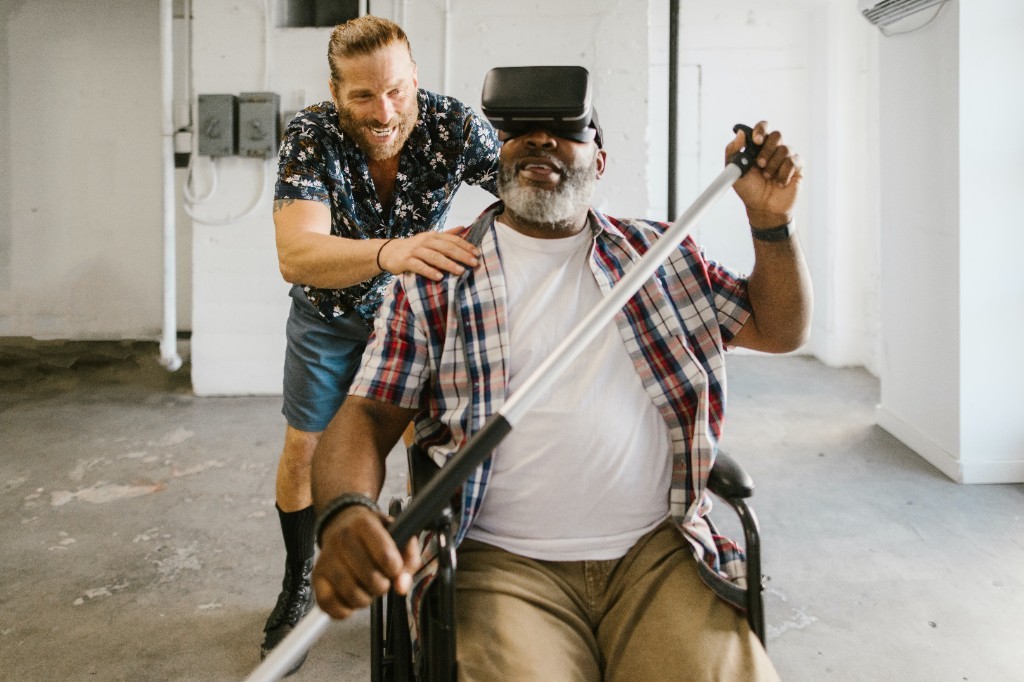

In recent years, there has been a significant advancement in the field of Artificial Intelligence (AI) and Augmented Reality (AR). These technologies have become increasingly popular and have the potential to enhance virtual experiences in various fields such as gaming, education, healthcare, and...
Digital Notary Certifies Documents Without Visiting an Office
456
14.04.2026

The Transformation of Notarial Services
Notarial services have traditionally required a physical visit to an office where a licensed notary verifies identities, witnesses signatures, and certifies documents. While this system has ensured legal security for centuries, it can also be time-consuming and inconvenient. People often need to schedule appointments, travel to offices, and wait for document processing.
Digital technologies are now changing this process. The concept of a digital notary allows individuals to certify legal documents remotely without visiting a physical office. Through secure online platforms, users can verify their identity, sign documents electronically, and complete the notarization process from their home or workplace.
This innovation is becoming increasingly important in a world where remote work, online services, and international transactions are common.
How Digital Notarization Works
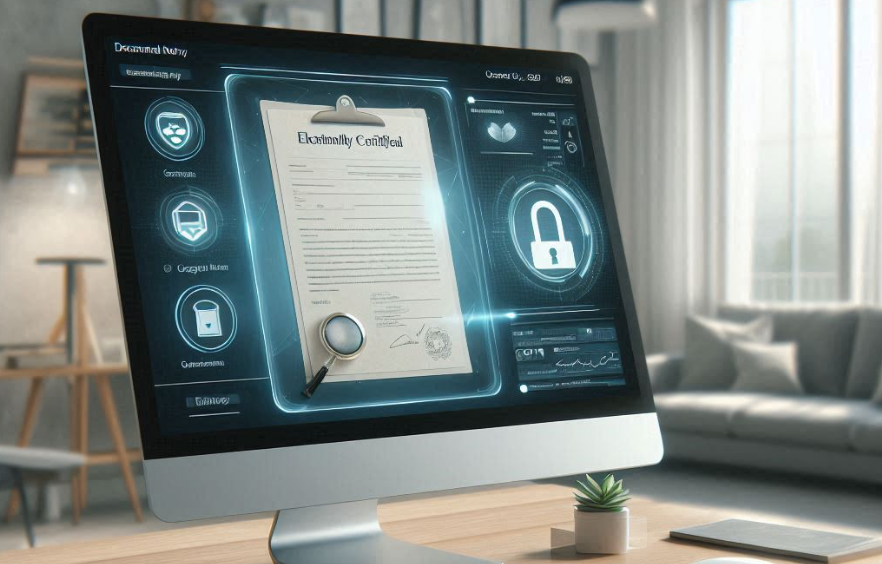
Digital notarization combines several technologies to ensure that documents remain legally valid and secure. The process usually begins when a user uploads a document to a certified online platform. The system then verifies the user’s identity and connects them with a licensed notary through a secure video session.
During the session, the notary confirms the identity of the signer and witnesses the electronic signature in real time. Once the document is signed, the platform applies a digital seal and timestamp that certify the authenticity of the transaction.
Main Steps in the Digital Notarization Process
- Upload the document to a certified notarization platform
- Verify identity through secure digital authentication
- Connect with a licensed notary via video conference
- Sign the document using an electronic signature
- Receive the notarized document with a digital certificate
The completed document can then be downloaded or sent directly to other parties involved in the transaction.
Technologies Behind Digital Notaries
Several modern technologies make remote notarization possible while maintaining high levels of security and legal reliability. These systems are designed to prevent fraud and ensure that the notarization process remains trustworthy.
Key Technologies Used in Digital Notarization
- Electronic signature systems
- Biometric identity verification
- Encrypted video communication
- Digital seals and timestamps
- Blockchain-based document verification
Biometric identification may include facial recognition or identity document scanning. Encryption ensures that communication between the user and the notary remains confidential, protecting sensitive legal information.
Advantages for Individuals and Businesses
The digital notary model offers several advantages compared with traditional in-person notarization. The most obvious benefit is convenience. Users can complete the process from anywhere with an internet connection.
Businesses also benefit from faster document processing and the ability to finalize contracts across different regions without requiring physical meetings.
- Remote access to notarial services
- Reduced travel and waiting time
- Faster processing of legal documents
- Improved accessibility for international transactions
- Secure digital record storage
These advantages make digital notarization particularly useful for real estate agreements, legal contracts, corporate documentation, and international business operations.
Legal Recognition and Regulation
For digital notarization to function properly, governments must establish legal frameworks that recognize electronic signatures and remote certification. Many countries have already introduced laws that allow online notarization under specific conditions.
Regulations typically require that digital notaries follow strict security protocols. Platforms must maintain detailed records of notarization sessions, including video recordings and identity verification logs. These records help ensure that the notarization process can be audited if necessary.
Legal recognition continues to expand as governments modernize their administrative systems and support digital transformation.
The Future of Online Legal Services
The emergence of digital notaries represents a broader shift toward fully online legal services. As digital identity systems become more advanced, more administrative procedures may move to remote platforms.
Future developments may include automated document verification using artificial intelligence, smart contracts that execute automatically when conditions are met, and global digital identity systems that simplify cross-border transactions.
Although traditional notarial offices will likely continue to exist, digital services are expected to become a standard option for many legal procedures.
The digital notary demonstrates how technology can simplify complex legal processes while maintaining security and reliability. By allowing documents to be certified without visiting an office, this innovation saves time, reduces administrative barriers, and supports the growing demand for remote services in the modern digital economy.