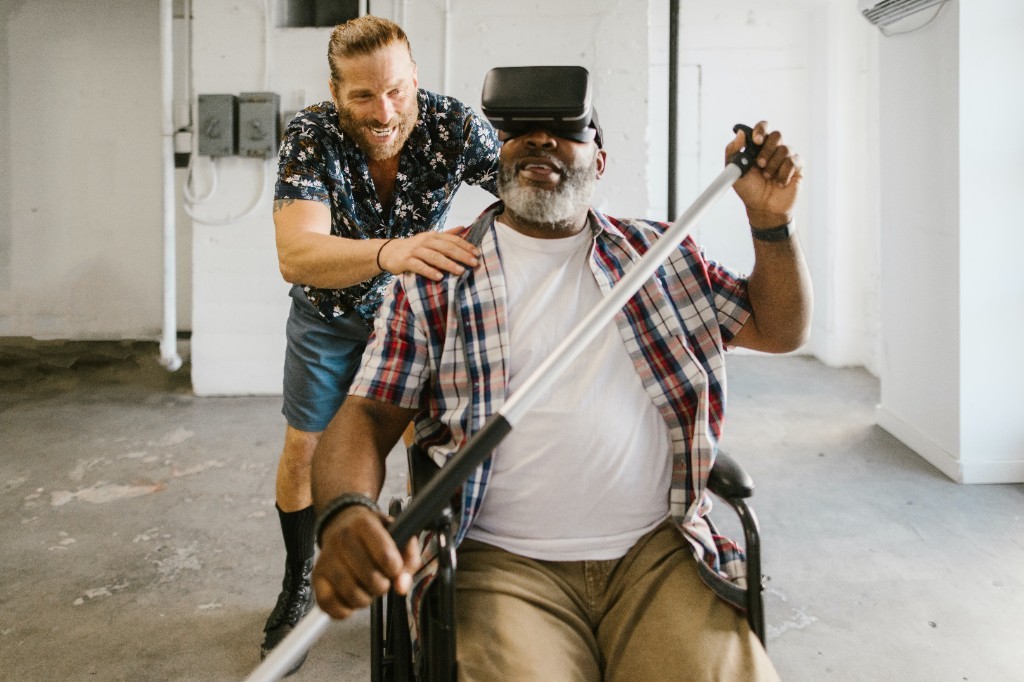

In recent years, there has been a significant advancement in the field of Artificial Intelligence (AI) and Augmented Reality (AR). These technologies have become increasingly popular and have the potential to enhance virtual experiences in various fields such as gaming, education, healthcare, and...
Digital Pen Turns Sloppy Handwriting Into Beautiful Letters
519
06.12.2025
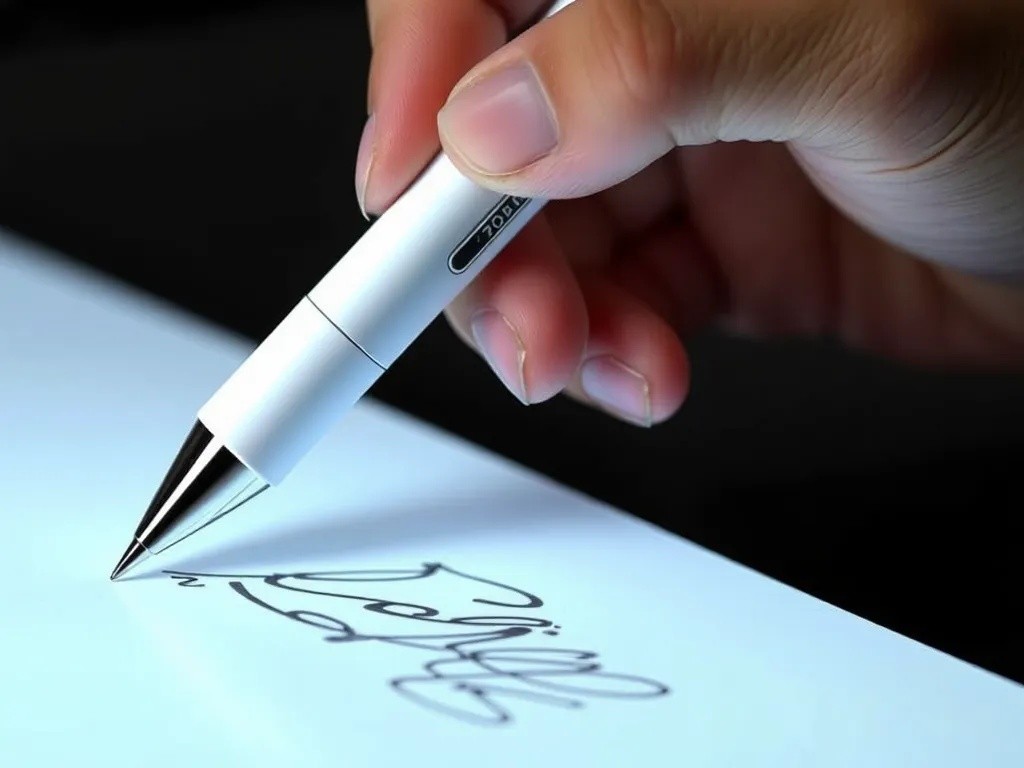
In an increasingly digital world, handwritten notes and letters have become something of a lost art. Poor penmanship, once simply an accepted personality quirk, has become a genuine obstacle to handwriting's survival in the modern era. However, an innovative technology is bridging this gap: the AI-enhanced digital pen that transforms even the most illegible scrawl into beautiful, personalized handwriting in real-time.
How the Technology Works
The digital handwriting transformation system combines several sophisticated technologies to achieve its remarkable results.
Advanced Motion Tracking
At the hardware level, these digital pens incorporate precise motion sensors:
- Accelerometers and gyroscopes that track pen movement in three-dimensional space
- Pressure sensors detecting how firmly the pen is pressed against writing surfaces
- Optical tracking that monitors the pen's exact position relative to the paper
- Tilt sensors that register the angle at which the pen is held
- Grip sensors that detect subtle changes in how the user holds the pen
This comprehensive motion data captures not just the visible result of writing but the entire physical process that creates it.
Handwriting Analysis AI
The core of the system is a sophisticated neural network trained on millions of handwriting samples:
- Character recognition models that identify intended letters even in severely distorted handwriting
- Context analysis that uses surrounding words to resolve ambiguities
- Language models that can predict likely word completions to assist recognition
- Writing style classification that identifies personal writing patterns
Transformation Engine
Once the system understands what is being written, the transformation process begins:
- Handwriting style libraries containing thousands of attractive script variations
- Personalization algorithms that maintain elements of the user's unique writing characteristics
- Fluidity optimization ensuring natural connections between characters
- Consistency modulation that maintains uniform style while introducing natural variations
User Experience and Practical Applications
The technology has been implemented in several product forms, each serving different use cases.
Physical-to-Digital Transformation
The most common implementation involves:
- Writing on special paper with the digital pen
- Seeing the transformed writing appear in real-time on a paired device (tablet, smartphone, computer)
- Saving or sharing the beautified document digitally
- Optional printing of the transformed document for physical delivery
Digital Writing Enhancement
For tablet users who already write digitally:
- Writing directly on a tablet with a compatible stylus
- Viewing real-time transformation of handwriting as it's created
- Toggling between original and enhanced versions
- Adjusting beautification parameters to match personal preferences
Physical Output Systems
For those who need physical beautiful handwriting:
- Writing with the digital pen on any surface
- Connecting to specialized printing systems or robotic writing devices
- Producing physical cards, letters, or documents with transformed handwriting
- Creating permanent artifacts with the appearance of expert calligraphy
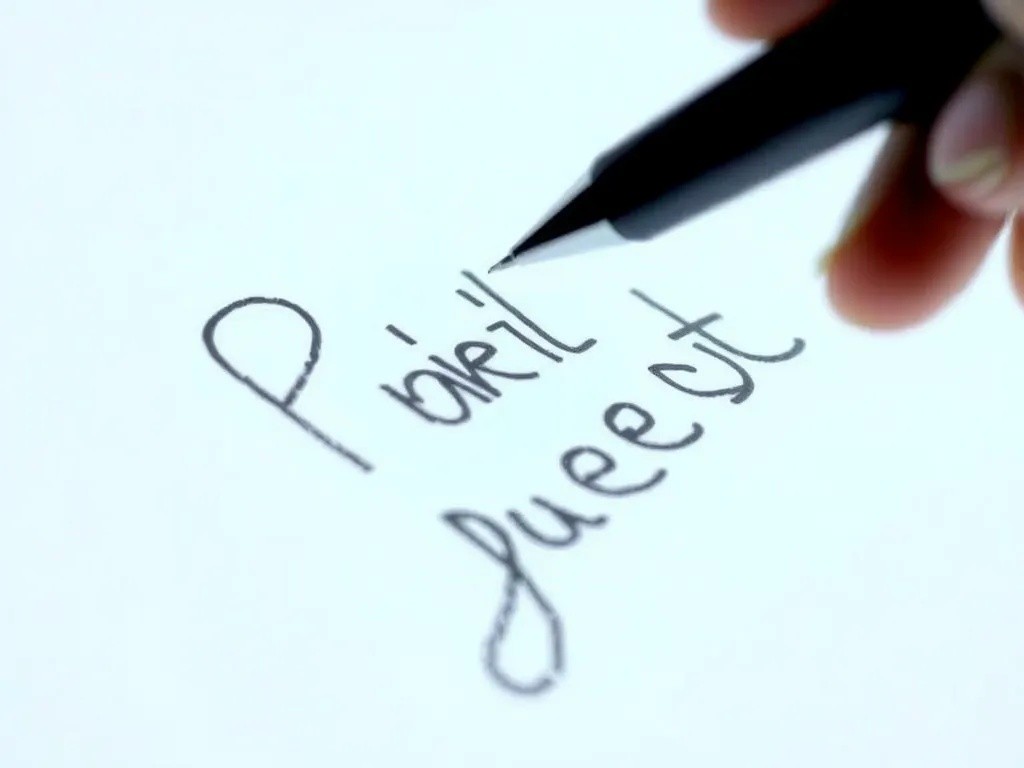
Practical Applications Across Sectors
The technology has found meaningful applications across various domains:
Education and Learning
- Handwriting improvement training that provides real-time feedback
- Special applications for students with dysgraphia or motor control challenges
- Note-taking systems that simultaneously beautify and organize classroom notes
- Handwriting curriculum tools that demonstrate proper letter formation
Professional Settings
- Medical environments where legible handwriting can be safety-critical
- Legal settings requiring clear documentation and signatures
- Business communications where presentation quality matters
- Creative fields where handwritten elements enhance design work
Personal Communications
- Personalized greeting cards and letters with emotional impact
- Journals and diaries that are both legible and aesthetically pleasing
- Family histories and memorabilia with enhanced presentation
- Correspondence for important life events deserving special attention
Customization and Personalization
One of the technology's key strengths is its ability to maintain personalization while improving legibility.
Style Selection and Customization
Users can interact with the system in several ways:
- Selecting from libraries of predefined handwriting styles
- Creating hybrid styles that blend elements of different scripts
- Adjusting specific parameters like slant, spacing, and flourish intensity
- Developing completely custom styles based on famous handwritings or personal preferences
Personalized Learning
The system grows more attuned to individual users over time:
- Learning which transformations the user prefers through feedback
- Adapting to evolving handwriting patterns as users improve
- Developing nuanced understanding of personal abbreviations and shorthand
- Building context awareness for specialized vocabulary and terminology
Ethical and Cultural Considerations
The technology raises interesting questions about authenticity and the value of handwriting:
Authenticity and Representation
Manufacturers have addressed concerns about misrepresentation:
- Clear identification of transformed documents through digital watermarking
- Transparency features that can reveal the original handwriting when needed
- Authentication systems for legal and official documents
- Educational approaches that encourage improvement of natural handwriting alongside tool use
Cultural Preservation
The technology has also found applications in cultural preservation:
- Restoration of historical documents while maintaining authentic character
- Teaching and preserving traditional calligraphic styles from diverse cultures
- Making handwritten cultural artifacts more accessible through improved legibility
- Creating new interest in handwriting as an art form and means of expression
Future Developments
The field continues to evolve with several promising directions:
- Integration with augmented reality for real-time visual feedback while writing
- Expanded language support for non-Latin writing systems
- Haptic feedback systems that guide hand movements for improved natural writing
- Creative tools for developing unique personal calligraphic styles
- Cross-medium applications that can transform handwriting on any surface
As digital communication continues to dominate modern life, the digital handwriting transformation pen creates a meaningful bridge between technological efficiency and the deeply human quality of handwritten expression. By removing the barrier of poor penmanship, it may help preserve the practice of handwriting in an increasingly keyboarded world, allowing the emotional resonance of handwritten communication to persist alongside its digital counterparts.